EMPTY RESERVOIRS, FALLING IRRIGATION AND POWER POTENTIAL

 an hour ago
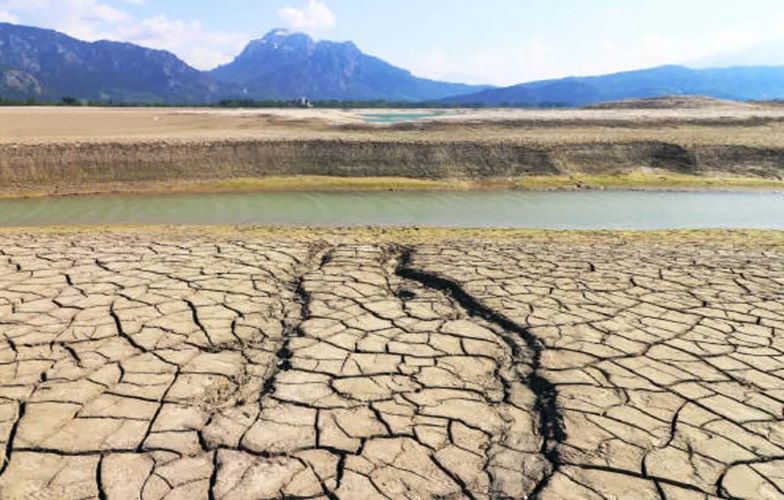
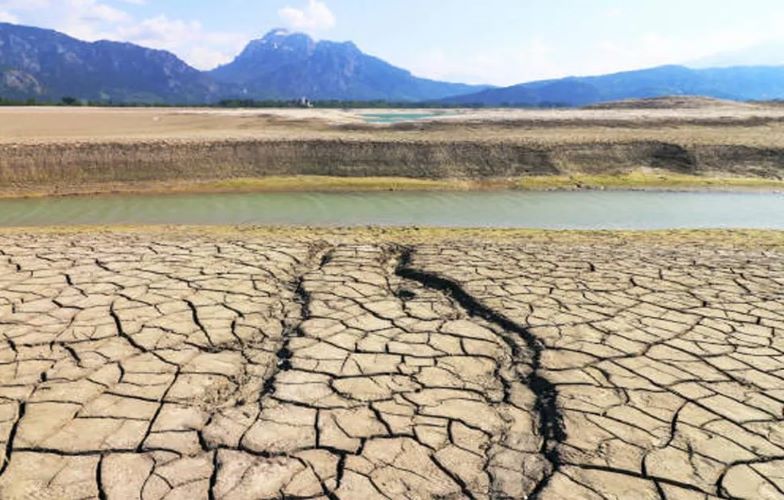
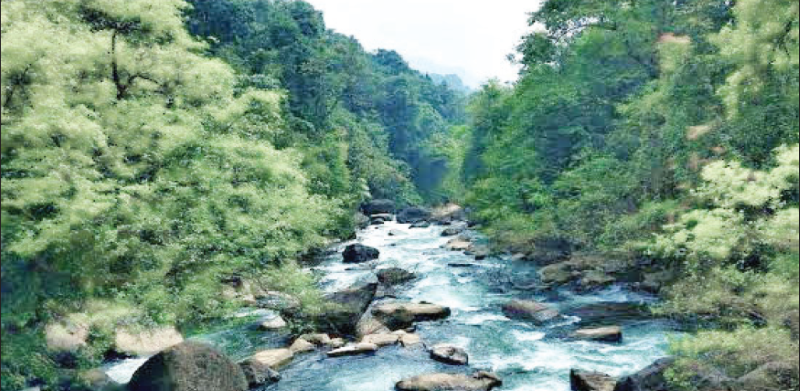
South-west monsoon season is concluded and peninsular India has registered highest rainfall deficit as compared to other states of India. Further June to September rainfall in 2026 has recorded 11 years lowest. IMD has predicted a normal rainfall for north east season, but it may certainly not bridge the gap and make up for the loss in reservoir levels in the central and western part of the country, especially in Rajasthan, Maharashtra, Telangana, Karnataka and Keralam. The shortfall in the reservoir levels in the western ghats is more than 50% at present, which cannot be made up this year as the region hardly receives NE monsoon. The rivers in the region are also running low.
The situation in the rest of the country may be slightly less alarming. The water storage in 178 major reservoirs in the country is 70% of their combined live capacity, far below ten years average of 76.6% and much below last year’s 79%. Central water commission data shows that by third week of October 2026, the average live storage level in India had dropped to nearly two-thirds of the capacity, 16% below normal levels.
The deficient monsoon can have cascading impact. It can stress soil moisture, which can lower the ground water level. The reservoirs would be under stress to service the rabi crops, which would eventually surge the summer heat. Climate Scientist Roxy Mathew Koll of Institute of Tropical Meteorology, Pune puts it, “A weak monsoon can move into water stress, then into winter crop and finally into the heat season of 2027.” When rainfall cannot sustain the crops, farmers go for irrigation, which put additional pressure on reservoirs and ground water. Koll adds, “Lower soil moisture and ground water increase irrigation pressure for winter crops.”
The El Nino conditions, which suppressed the rainfall so far, is going to peak in next two to three months. It is likely to make the winter milder and undue rise in temperature in February and March may impact the grain development in wheat crop considerably. But before that, a warm winter following a moisture deficient monsoon could increase the demand for irrigation through greater evaporation and crop water requirements. El Ninos and winter precipitation, often have a positive correlation and western disturbances become intense in some El Nino configurations. Relying on the past records, the winter rains may provide relief in North West Himalayas as well as in the states of Punjab and Haryana, and unusually high temperature in other parts of the country. The wheat production would, thus, be severed owing to inadequate moisture in the soil, lack of irrigation potential and elevated temperature during spring. Climate expert Koll adds, “Terminal heat reduced grain size and yield in 2022, and India temporarily paused wheat exports.”
Looking into IMD and WMO weather forecast in current El Nino cycle, government of India brought down its annual foodgrains production estimate from 376.6 million metric tons in 2025-26 to 373.9 million metric tons in 2026-27.
Foodgrains shortages would send the prices through roof and thereby generate anger among the people. The gulf war has already caused a surge in energy prices as well as the prices of the cooking gas. The situation may be hijacked by political parties in oppositions, who, in turn, may diversify the protests already launched against special intensive drive and demanded the resignation of Chief Election Commissioner Gyanesh Kumar. Next six to eight months are going to be crucial to manage the governance and economy by the governments in power. The shortages of foodgrains, power, drinking water are looming large and pose challenges for the incumbent governments to deal with.
Drinking water problem, in rural and urban areas would be the most serious among all. Municipal authorities should be forced to cut off or severely ration water for non-essential uses, restricting supplies strictly to drinking and basic domestic needs. At some stage drinking water needs will have to prioritize over agriculture and industrial needs. The current status of a specific local reservoir or river basin must be notified to public with an appeal to cut water usages for non-essential needs.
Local bodies must appeal to the public to preserve and store water safely, in airtight containers, kept in cool and dark places away from Sunlight or chemicals and further add a few drops of unscented liquid bleach per gallon for disinfection. One to two gallons of water per person for daily needs must be stored for meeting any emergency. Those using untreated or well water must regularly add unscented liquid bleach (about 6 to 8 drops of 6% to 8.25% Sodium hypochlorite bleach per gallon) to maintain purity.
The tankers of the local bodies and the government for the water supply to the communities may not be adequate, the private tankers may have to be pressed into the service. Respective governments must cap the rent payable to the tanker owners. Power consumption, too, should be economized. People are in the habit of using air-conditioners in winters. They cover themselves in the blankets, as the temperature is set at 160 Celsius. Why spend energy for cooling and then cover oneself in warm clothes? Why can’t a change in the habits be brought in? Even for summer months, the temperature should not be set below 240 Celsius. Further, running air conditioners, fans and lights in a room/ building, where no individual is present, is a criminal waste of resources and must be avoided. We must remember that we are burning fossil fuels to generate power.
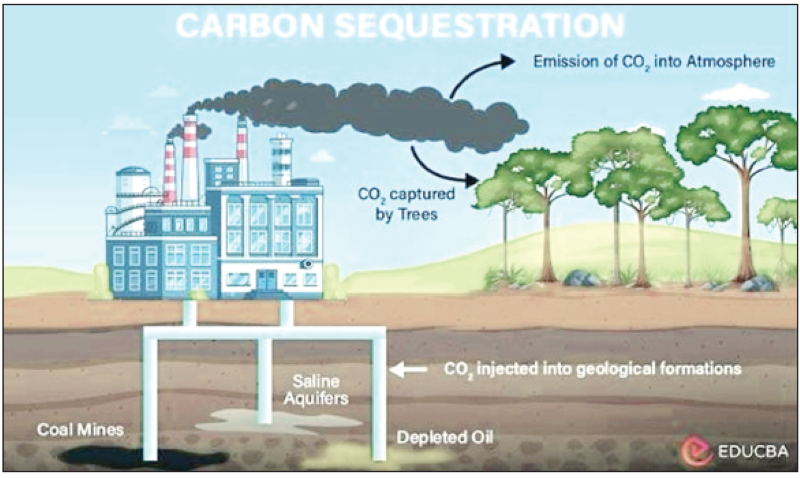
As there is estimated decline in foodgrains production, the governments must ensure that the traders do not indulge in hoarding the grains to artificially elevate the prices for bigger margins in profits. States’ public distribution system must be revamped. The leakages in Pradhan Mantri Garib Kalyan Anna Yojana must be checked and if it is implemented efficiently, no one in the country would die of hunger. The long-term solution, however, is to reduce dependency on fossil fuels burning.
(The author, a former Head of Forest Force of Karnataka, is a regular TEW columnist on wildlife, environment, and governance issues.)





[[comment.comment_text]]