Journalists or Courtiers of Power?
 23 minutes ago
"The only goal of journalism should be service." – For Mahatma Gandhi, journalism was never only a way to make a living or spread knowledge. It was a potent tool for social change, satyagraha, and general enlightenment. According to him, the discipline of journalism must originate from its own moral conscience rather than from outside forces since the power of newspapers, like an unchecked river, could become harmful. He asserts that the press's three primary responsibilities are to fearlessly expose social injustices, raise knowledge of society issues, and voice popular opinion. He believed that journalism was about arousing the public's consciousness rather than influencing public opinion.
When viewed through this Gandhian perspective, modern media raises an unsettling question: Are we creating journalists or stenographers of power? Is the pen only reinforcing the political narratives of those in positions of power, or is it giving voice to people's concerns?
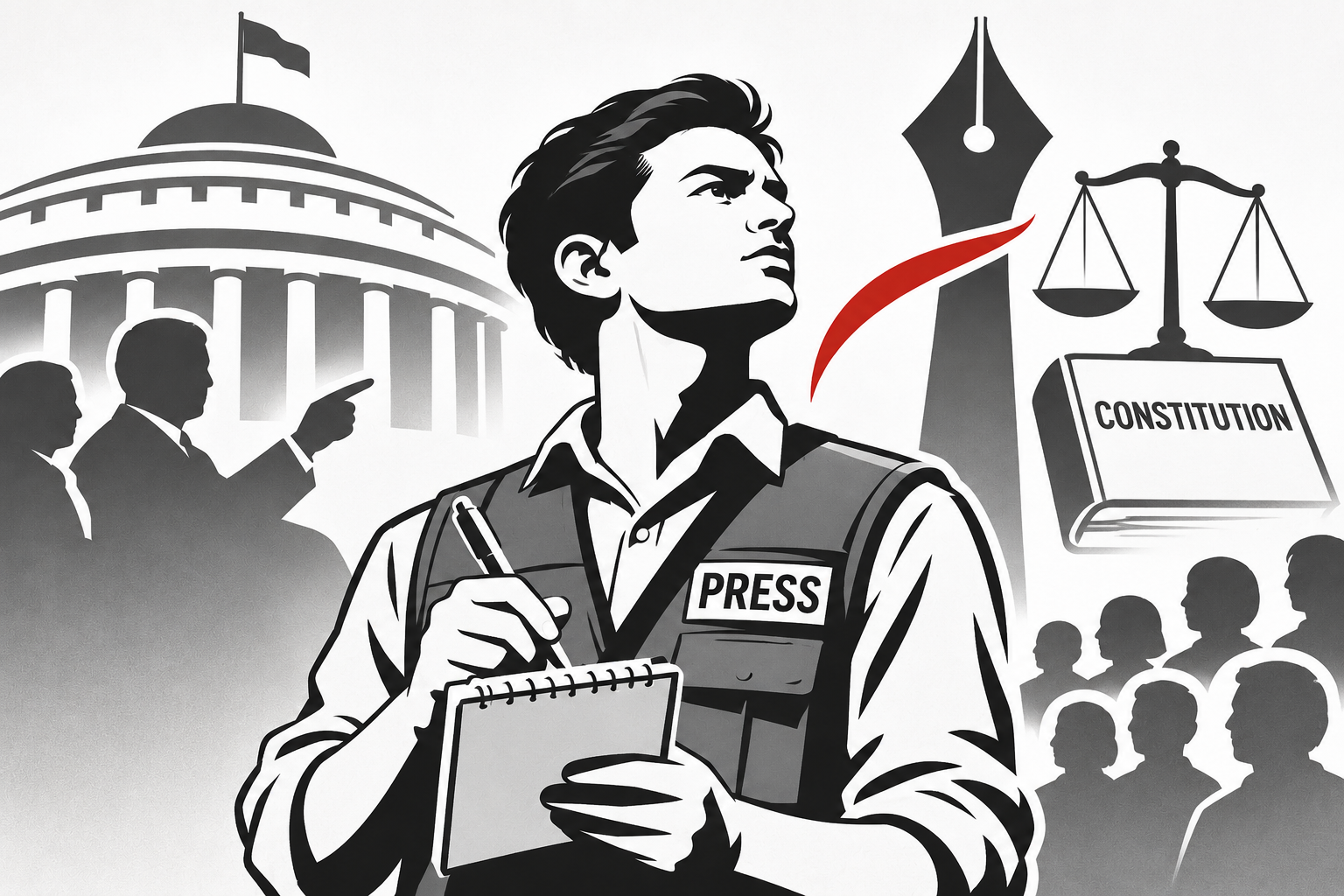
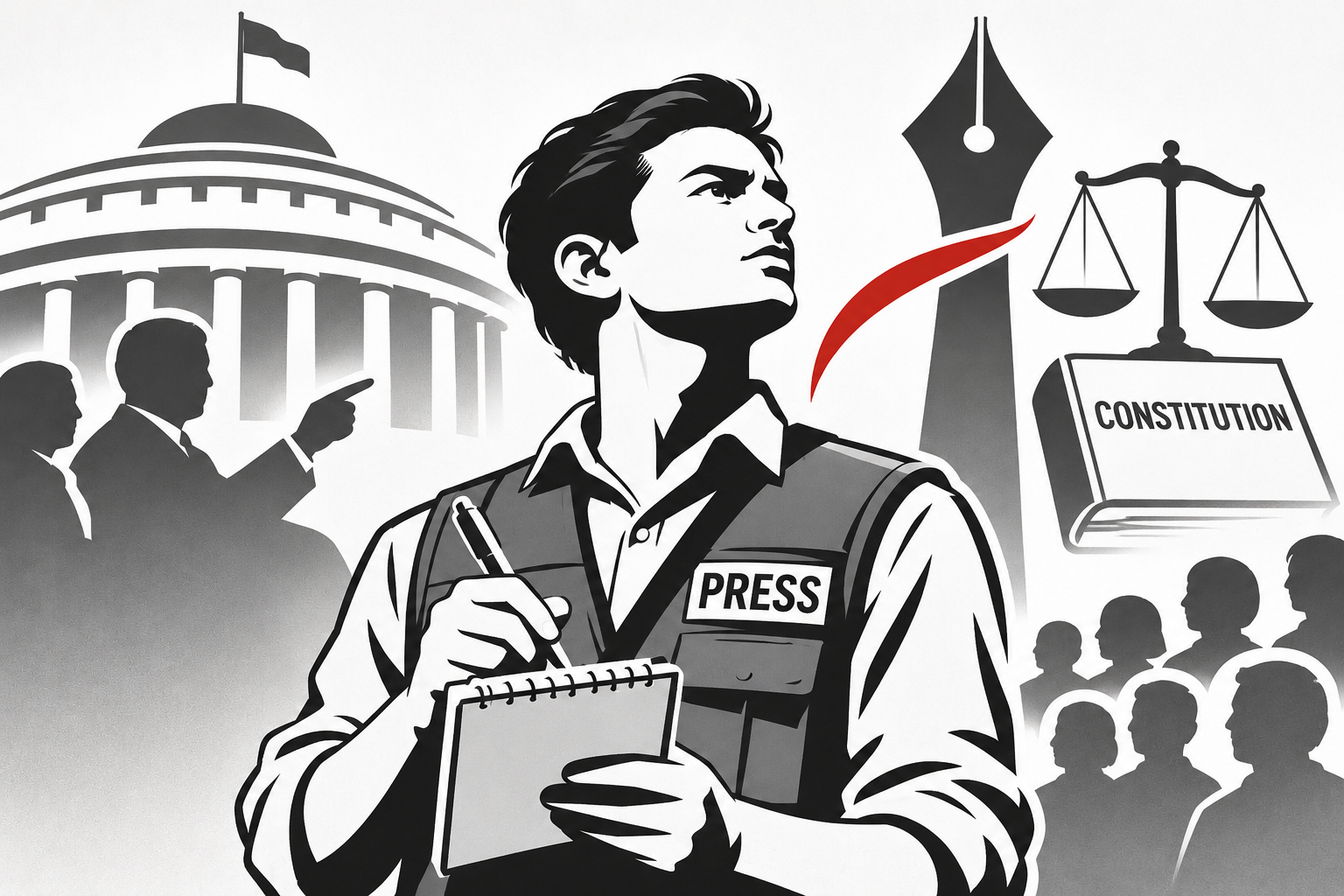
Every year on November 16, India celebrates National Press Day, which honours the day the Press Council of India was established in 1966. Press freedom, ethics, and accountability must be considered in light of the event. Examining journalism's own conscience, however, is more crucial than acknowledging its accomplishments. After all, why is the legitimacy of an organisation that is thought of as democracy's watchdog being questioned more and more?
When the Press Bows, Democracy Bleeds.
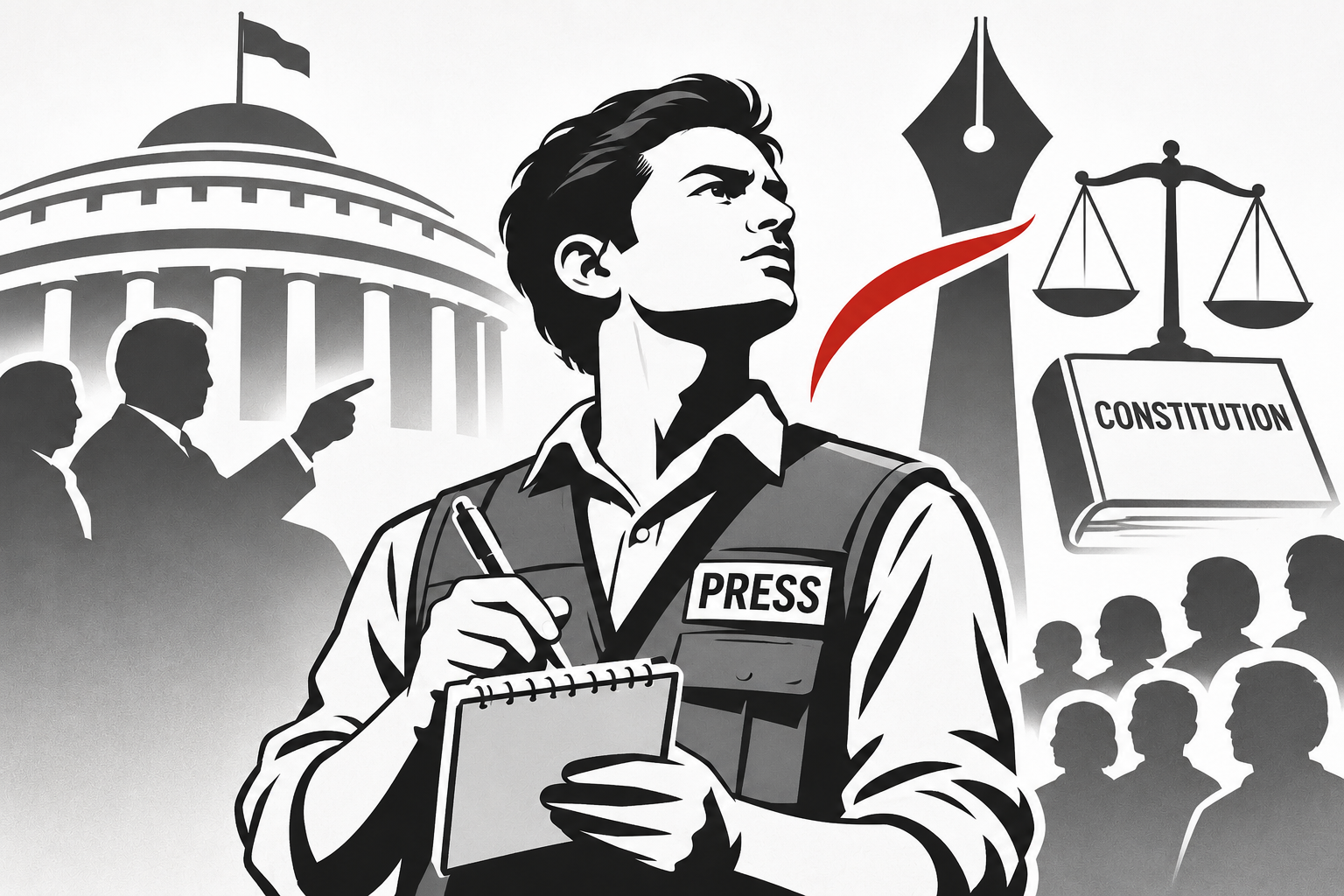
It is the responsibility of journalists to challenge individuals in positions of authority, not simply replicate their enquiries. It is normal to interact with governments and political parties; but, journalistic independence is compromised when one becomes an unofficial spokesperson for a leader or an apologist for a party.
The irony is that sectors of journalism, which formerly aimed to influence political debate, are now letting political allegiances determine their own editorial trajectory. These choices frequently affect the news that is chosen, the topics of discussion, and even the tone of the questions. Sometimes, government successes take center stage in the news while failures are marginalised. Sometimes accusations made by the opposition are made without sufficient investigation, and awkward questions about persons in positions of authority are not raised.
Being impartial does not entail creating a fictitious equivalency between the opposition and the government. It entails holding both parties to the same standards of proof, truth, and civic duty.
The public interest, not political parties, must be the focus of journalism. No government is superior to the Constitution, no party is superior to democracy, and no leader is superior to the people.
When Ratings Replace Truth
Today, a large portion of journalism is increasingly motivated by news's commercial viability rather than its significance to the general audience. Editorial objectives have been drastically changed by the competition for TRPs, clicks, views, and advertising money. While religious polarisation, political mudslinging, and contentious arguments dominate the news, unemployment, inflation, education, healthcare, agriculture, and citizens' rights are drowned out by the din of television studios.
News is gradually being replaced by opinions, facts by impressions, and meaningful analysis by aggressive theatrics. Sometimes planned conclusions are supported by data that are later gathered. A guest's hostility is misinterpreted for knowledge, while an anchor's rising voice is regarded for bravery. Television debates seem to be following pre-written scripts rather than posing questions.
Deepfakes, unsubstantiated claims, and fake news have exacerbated this situation. It is not journalism to present an accusation as a crime, an investigation as a conviction, or a court order as a penalty. It is a careless disrespect for the rights of citizens and the rule of law.
This risk is encapsulated in Ravish Kumar's often cited statement, "A frightened journalist can only create a mob." When journalists start following the lead of powerful people, media owners, advertisers, or their own political inclinations, they run the risk of creating an angry mob rather than intelligent citizenry. Journalism's goal is to awaken society's conscience, not to create a mob.
Freedom Without Economic Independence Is an Illusion.
Press freedom is dependent on both economic independence and political liberty. The editorial independence of media outlets may be jeopardised by an over-reliance on commercial interests, corporate houses, and government advertisements. Their influence over news coverage becomes an unavoidable worry when financial interests grow entwined with individuals in positions of authority.
We demand free digital news, free television, and inexpensive newspapers, but we seldom consider who is financially responsible for maintaining this system and whose interests are safeguarded in exchange. Additionally, readers of independent media must learn to be willing to pay a reasonable amount for reliable, high-calibre reporting.
Press freedom is not demonstrated by the quantity of newspapers, the number of television channels, or the growth of digital platforms. How much variety, disagreement, and the guts to challenge people in positions of authority endure in the news we consume is the true test.
When Truth Challenges Power
American journalist Helen Thomas asserts that the goal of journalism is to find the truth and hold those in positions of authority responsible rather than to gain favour. The real test of journalism is that. It does not necessarily follow that a news report is incorrect if it causes discomfort for individuals in positions of authority. It might have just posed a query that needs to be addressed for the general audience.
"A free press is the unsleeping guardian of every other right that free men prize," according to a well-known quote credited to Winston Churchill. Indeed, the watchful defender of citizens' rights is an independent press. However, its security and independence are equally essential. Journalists who continue to expose issues in the public interest uphold the genuine dignity of their profession in spite of threats, legal actions, violence, and professional uncertainty. The public's right to know and to question those in positions of authority is likewise violated when a journalist is attacked.
Governments need to realise that criticism is essential to democratic accountability and is not inherently anti-democratic. Just as asking difficult questions does not constitute sedition, criticising a government does not constitute condemning the country. The freedom and protection given to dissenting voices is a better indicator of a democracy's maturity than the cheers given to its leaders.
Journalism Must Answer to Truth, Not Power
Journalism has unavoidably been impacted by society's growing intolerance and moral deterioration. However, its duty is to reveal the aberrations in society rather than to mimic them. Asking loud questions is only one aspect of journalism. Research, knowledge of the constitution, fact-checking, and a steadfast dedication to ethics are all necessary. Degrees are not as important as competence, but accountability must be compromised.
Press freedom is not just a journalist's right; individuals have a constitutional right to know. This freedom of expression is based on Article 19(1)(a). Journalism cannot serve as the opposition's voice or the ruling establishment's propaganda apparatus. The public interest and the truth must continue to be its ultimate priorities.
Gandhi's caution that an unchecked pen might be harmful is still applicable today. Freedom does not equate to licence, and impartiality should never be used as a justification for giving up moral bravery.
Ganesh Shankar Vidyarthi: The Courage to Speak Truth to Power
The legacy of courageous journalists like Ganesh Shankar Vidyarthi, Bal Gangadhar Tilak, Mahatma Gandhi, Makhanlal Chaturvedi, Baburao Vishnu Paradkar, and Kuldip Nayar must be revisited by Indian journalism on National Press Day. Vidyarthi changed journalism from a tool of authority to a voice for the downtrodden and disenfranchised. His publication, Pratap, developed into a forum for opposition against injustice. Gandhi transformed journalism into a tool of truth and public service, Tilak used Kesari to confront colonial authority, and Kuldip Nayar preserved the custom of posing difficult questions to those in positions of authority. Gandhi transformed journalism into a tool of truth and public service, Tilak used Kesari to confront colonial authority, and Kuldip Nayar preserved the custom of posing difficult questions to those in positions of authority. Their character and dedication were just as important as their writings. One essential lesson that journalists now need to keep in mind is that sticking up for the truth, rather than being close to authority, is what makes a journalist truly strong.
Press Day: Time to Question Ourselves, Not Celebrate
It is insufficient to simply give remarks on National Press Day in support of press freedom. Media companies need to reflect on whether they are selling political narratives or delivering news. Are they turning folks into a mindless mob or empowering them with awareness? Are they asking questions that fit the establishment or are they holding people in positions of authority accountable?
Gandhi saw journalism as a vehicle for self-control, the truth, and public duty. His statement, "The press is called the Fourth Estate," is still very pertinent today. It is undoubtedly a power, but abusing it is illegal.
Thus, accountability and press freedom must coexist. Journalism is not allowed to disseminate unreliable reports, harm people's reputations, or pass off political biases as public opinion. The media must continue to be answerable to its readers and viewers, just as those in positions of authority must answer to the public.
This reminds me of a newspaper vendor who once said, "The day your illusion breaks, you too will throw it away just like this," while discarding a newspaper. His irony speaks to a broader societal concern about the deteriorating legitimacy of journalism. Do people stop reading newspapers because they are too expensive or because their voices, lives, and concerns are no longer represented on their pages?
Newspapers, not power courts, and journalists, not courtiers, are essential to democracy. It requires a press that prioritises the public interest over political interests and carefully considers the assertions of those in positions of power before endorsing them.
On National Press Day, journalism needs to reflect on whether it still serves as a mirror to power or if it has started to reveal only what it wants to see.
Credibility, not circulation, is a newspaper's greatest value; bravery, not popularity, is a journalist's greatest advantage. The light of truth, not the colour of power, must be carried by journalistic ink. That is journalism's real purpose and its biggest duty to democracy.
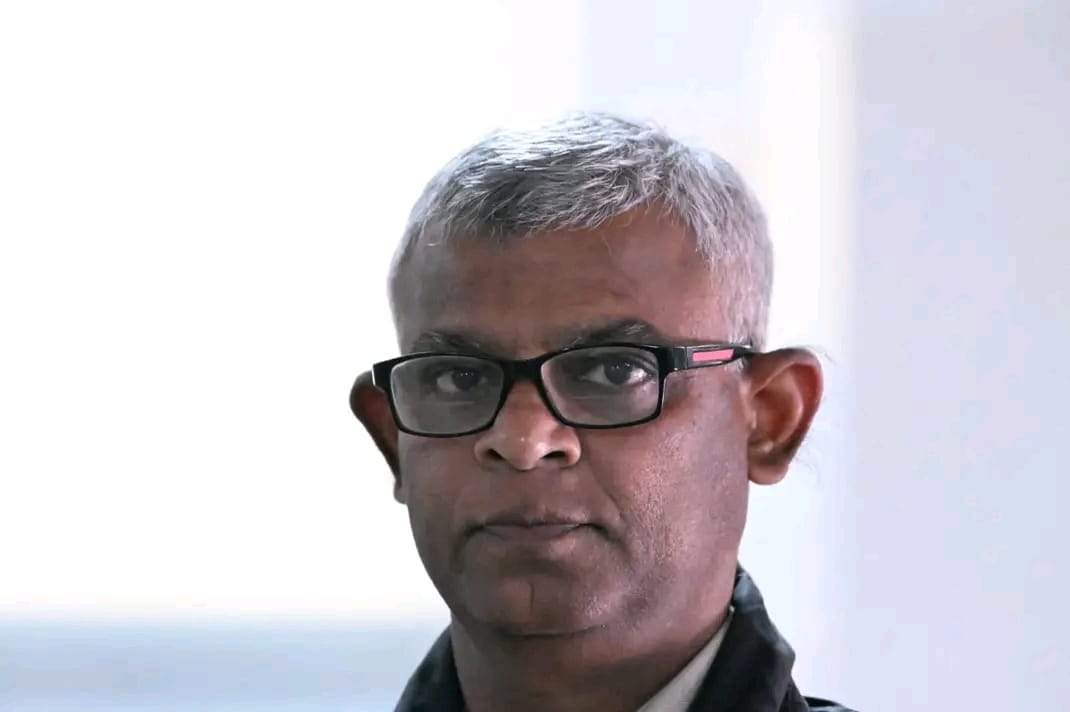
(Author a doctorate in laws, is a senior lawyer, columnist, and civil society activist.)





[[comment.comment_text]]