Three Leaders, Deep Divides: Can the Shenzhen Summit Move Beyond Political Theatre?

 23 minutes ago
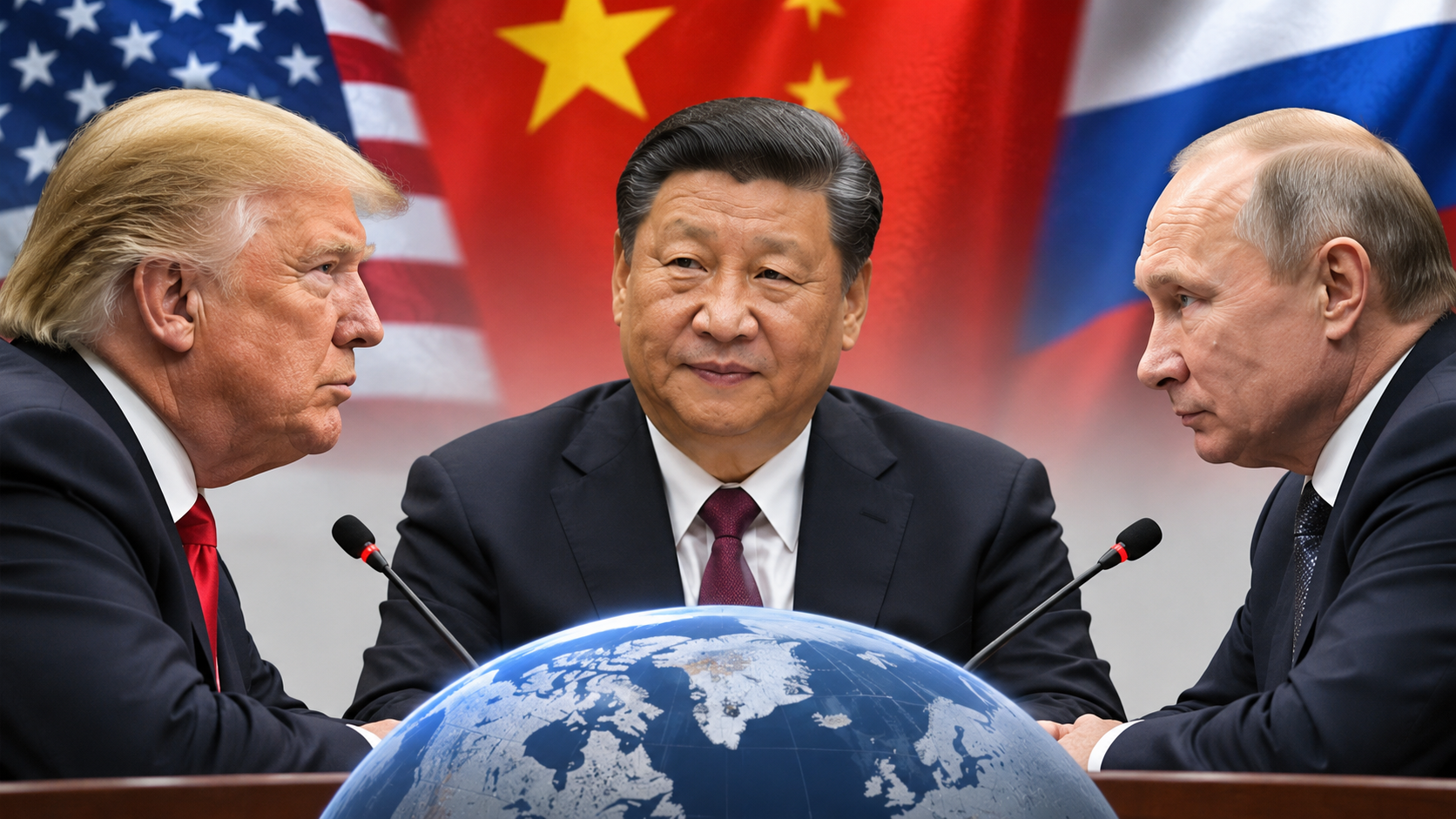
The announcement that US President Donald Trump, Chinese President Xi Jinping, and Russian President Vladimir Putin will convene for their first trilateral meeting on the sidelines of the APEC summit in Shenzhen carries unmistakable historical weight. Scheduled for November 18–19, the gathering places the world’s three most consequential leaders in the same room at a moment of acute geopolitical instability. On paper, the prospect of direct dialogue among Washington, Beijing, and Moscow offers a rare diplomatic opening. Yet, given the competing ambitions and entrenched crises dividing them, the summit risks producing more political theatre than substantive breakthroughs.
Nowhere is the urgency—or the difficulty—of genuine progress clearer than on nuclear arms control. With the New START treaty having lapsed in February, the world’s two largest nuclear powers are operating without binding caps on their strategic arsenals for the first time in over a decade. President Trump’s insistence on replacing the bilateral pact with a modernized framework that includes China reflects the reality of Beijing’s rapidly expanding nuclear stockpile. However, convincing China to accept formal limits while Russia and the US remain locked in deep strategic mistrust will be an uphill battle, making a concrete agreement in Shenzhen far from guaranteed.
Shadowing the talks is the unresolved fallout from the US-Israeli war on Iran, which has left the Strait of Hormuz closed for more than 100 days and kept global energy markets on edge. The conflict exposes the sharply diverging interests around the table: while China has suffered from disrupted crude oil supplies and weakened export demand, Russia has quietly benefited from surging energy prices and targeted US sanctions relief aimed at easing global diesel shortages. Finding common ground to reopen a vital maritime chokepoint when the participants are experiencing vastly different economic consequences will test the limits of trilateral diplomacy.
Bilateral friction between Washington and Beijing further complicates the outlook. Although recent meetings in South Korea and Washington helped dial back last year’s punishing tit-for-tat tariffs, the underlying struggle for technological supremacy remains fierce. Disputes over rare earth mineral export curbs, artificial intelligence microchips, and fresh US allegations of Chinese espionage involving Nvidia underscore how fragile the current trade truce truly is. Meanwhile, the White House’s indication that President Trump will not even raise the war in Ukraine suggests that the most intractable conflicts are being sidestepped to preserve the optics of cooperation.
Finally, the Shenzhen summit may deliver striking photo opportunities and bold rhetoric, but expectations must remain grounded. Bringing three rival powers together is a necessary first step in managing global instability, yet neither collective declarations nor unilateral posturing can easily untangle wars in the Middle East and Eastern Europe or bridge deep structural rivalries. For the Shenzhen meeting to mean anything beyond headlines, the three leaders will need to move past grandstanding and lay the groundwork for verifiable, sustained diplomacy.









[[comment.comment_text]]