Trump’s Pragmatic Bid for Peace in the Middle East

 1 month, 4 weeks ago
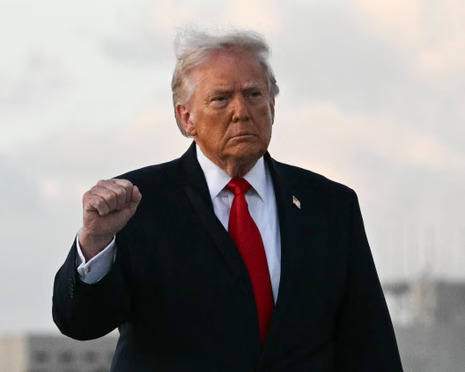
President Donald Trump’s reported willingness to prioritise reopening the Strait of Hormuz over securing an immediate formal nuclear agreement with Iran could prove to be a smart and pragmatic move towards restoring peace in the Middle East. At a time when the region is exhausted by prolonged conflict and global energy markets remain under severe pressure, Washington’s immediate priority should be to stop further escalation, restore maritime security and create conditions for a sustainable ceasefire. Peace and stability must come before more ambitious diplomatic objectives.
The Strait of Hormuz has become the most dangerous flashpoint in the crisis. A prolonged battle over this narrow but vital waterway could transform a regional confrontation into a much wider war, threatening energy supplies, global trade and the economic stability of America’s allies. Iran’s retaliatory attacks have already badly upset the economic applecart across the Middle East, disrupting shipping, unsettling energy markets and adding to uncertainty for businesses and governments. Preventing further confrontation over Hormuz is therefore not a concession to Tehran but an urgent step towards containing the conflict.
Iran’s nuclear programme remains a legitimate long-term concern, but it is not necessarily the most immediate danger to peace in the region. Making a formal nuclear agreement an absolute precondition for ending the current crisis could prolong military confrontation and increase the risks of miscalculation. A nuclear deal should remain on the diplomatic agenda, but Washington can pursue intelligence monitoring and other safeguards while first concentrating on ending hostilities, reopening Hormuz and creating space for broader negotiations.
Iran’s reported demands for financial compensation, access to frozen assets, an end to the naval blockade and withdrawal of U.S. forces are undoubtedly difficult for Washington to accept. Yet negotiations are rarely about accepting an opponent’s opening demands. Their immediate purpose should be to stop the shooting, secure freedom of navigation and prevent the conflict from spreading. For the United States, de-escalation can also be a more effective way of protecting its regional allies than allowing an open-ended military confrontation to draw them deeper into danger.
Trump’s approach should therefore be seen not as diplomatic retreat but as a pragmatic first effort to establish peace. Reopening the Strait, restoring commercial traffic and calming energy markets could provide the breathing space needed to address Iran’s nuclear capabilities and other strategic disputes through diplomacy. The overriding objective should be to prevent another escalation, protect American allies and restore stability to a region already battered by war. Sometimes the smartest route to lasting security is to secure the peace that is possible today while keeping the harder questions open for tomorrow.








[[comment.comment_text]]