VOICE FOR THE VOICELESS: A CALL FOR COMPASSION, JUSTICE AND ACCOUNTABILITY

 28 minutes ago
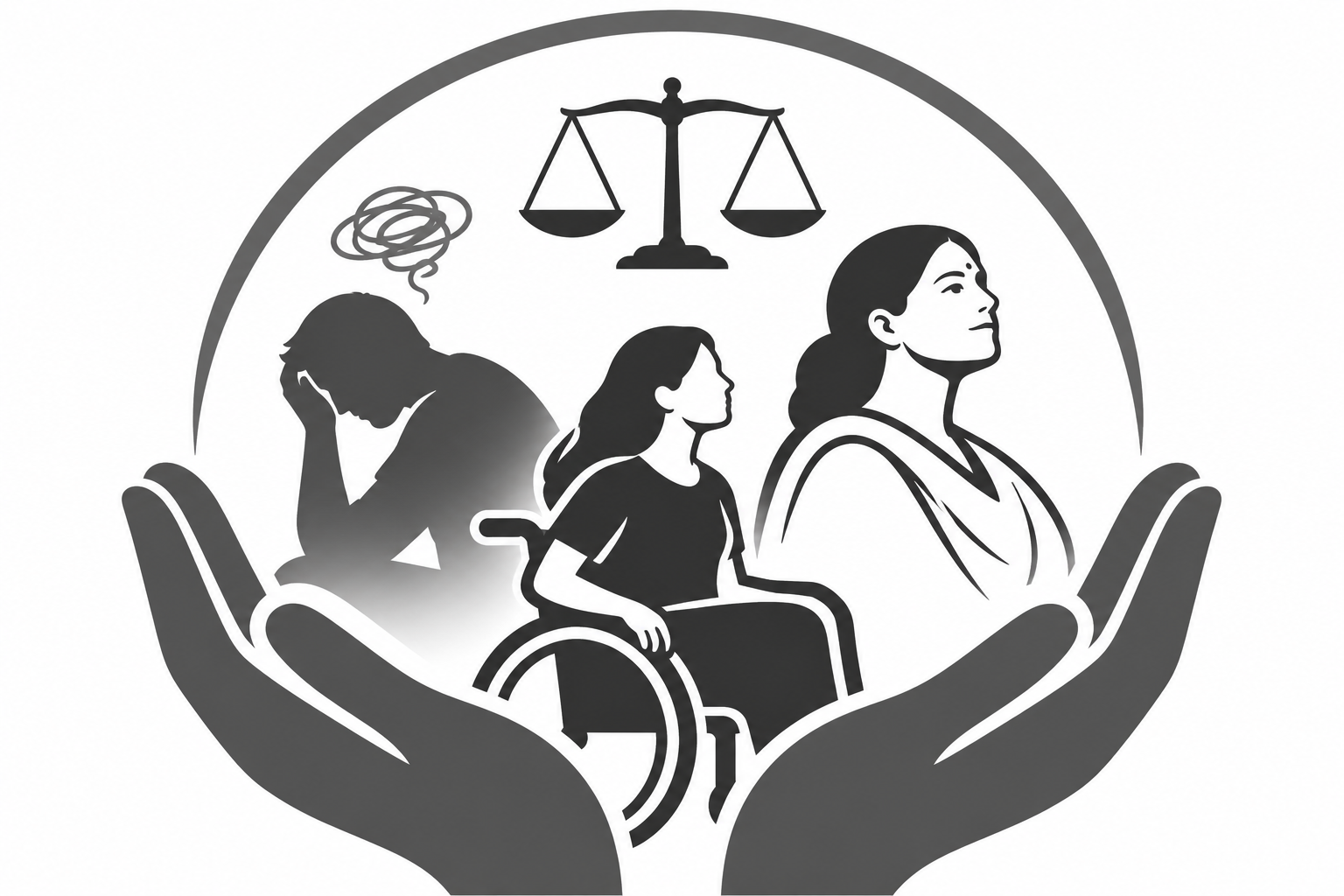
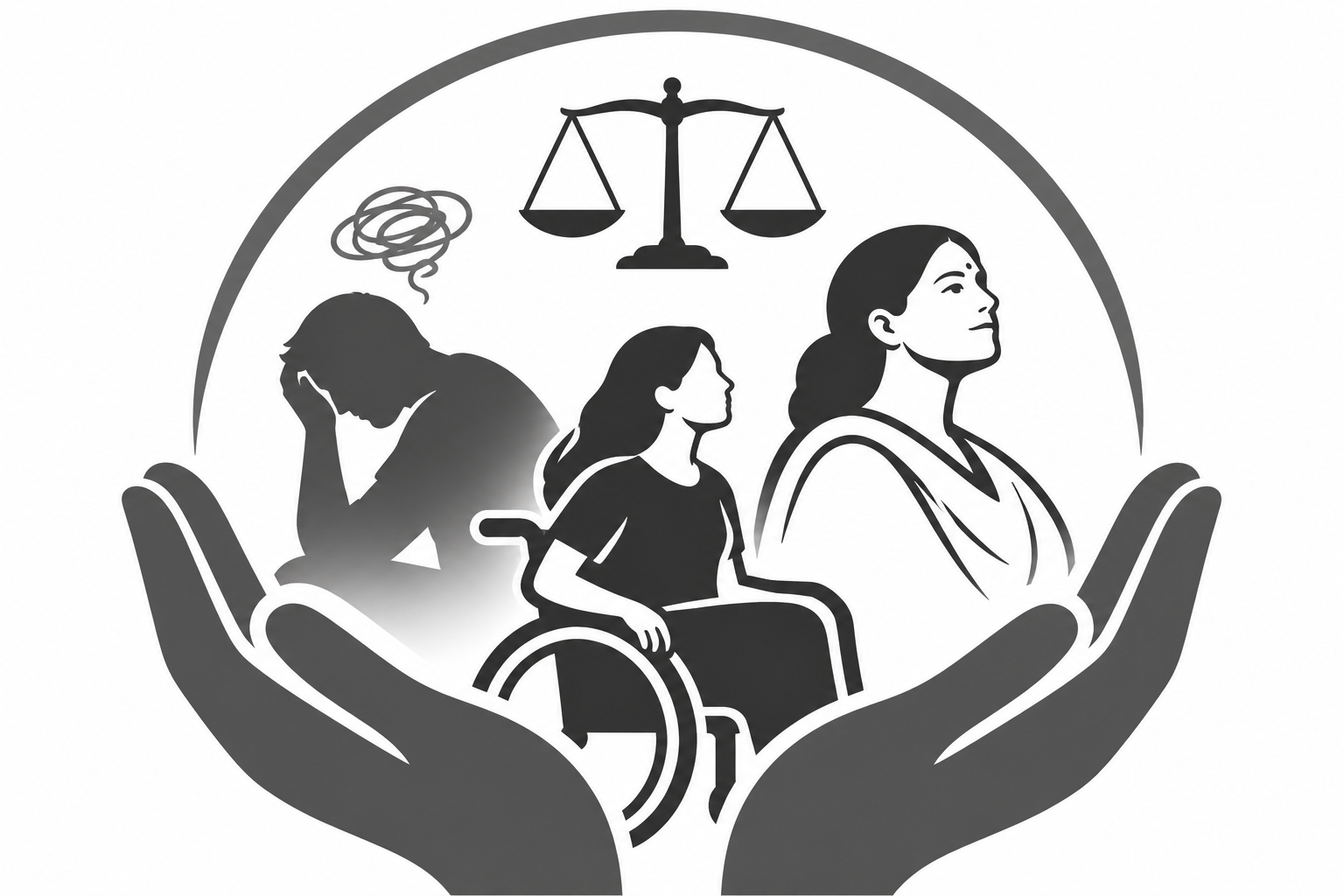
Dear Readers, alongside our regular features in today’s inside pages, Dr. Ammar Rizvi’s weekly column, Voice for the Voiceless, deserves a serious read. His reflections spotlight a critical issue requiring far greater public attention and urgent governmental action. By focusing on persons with specific disabilities, individuals living with mental illness, and vulnerable women facing abuse, exploitation, and abandonment, Dr. Rizvi underscores a vital societal responsibility. Because these marginalised groups often cannot articulate their suffering or navigate the justice system without sustained institutional backing, isolated welfare measures fall short. Their situation demands a comprehensive, coordinated, and accountable national framework.
What makes Dr. Rizvi’s intervention particularly significant is the depth and practicality of his recommendations. He has rightly emphasised the need for a dedicated national mission, effective district-level mechanisms, accessible complaint systems, prompt intervention, legal assistance, safe accommodation, community-based rehabilitation and meaningful participation of credible civil society organisations. Equally important are his suggestions for protecting the property and financial interests of vulnerable individuals and ensuring regular inspections of institutions entrusted with their care. These are not merely administrative proposals; they are essential safeguards against exploitation and institutional indifference. A society’s moral strength must be judged not by how it treats its most privileged citizens, but by how it protects those who are least capable of protecting themselves.
The Emerging World strongly appeals to the Union Government and all State Governments to take cognisance of Dr. Rizvi’s recommendations and initiate a serious examination of the concerns he has brought to the fore. The protection of vulnerable citizens cannot be treated as the exclusive responsibility of one ministry or department. It requires coordination among social justice, health, women and child development, home affairs, law and justice, and local administration. Existing laws and welfare programmes must be assessed not merely by their provisions but by their actual implementation. Where institutional gaps exist, they must be addressed through clear accountability, adequate resources, trained personnel and time-bound action. The objective should be to ensure that no individual is abandoned simply because he or she lacks family support, financial means or the ability to seek help.
In this context, it would not be out of place to demand the constitution of an independent Enquiry Commission to examine the conditions of persons with intellectual disabilities, those living with mental illness and vulnerable women who are exposed to abuse, exploitation and abandonment. Such a Commission could assess the scale and nature of the problem, examine the functioning of existing institutions, identify failures in law enforcement and welfare delivery, and recommend corrective measures. It should also examine the safeguards available for protecting the dignity, personal liberty, property and legal rights of affected individuals. Its findings and recommendations should be placed in the public domain, followed by a monitored action plan. An independent and credible exercise of this nature would help move the issue beyond declarations of intent and establish a framework for measurable institutional reform.
In the ultimate analysis, this is a question of the kind of nation we aspire to be. India’s civilisational ethos has long upheld the ideal of Sarve Bhavantu Sukhinah, Sarve Santu Niramayah—may all be happy, may all be free from suffering and affliction. These words must not remain confined to prayers or public rhetoric; they must find expression in governance, public policy and everyday social conduct. Dr. Rizvi’s column offers an opportunity to translate this enduring value into meaningful action. The Emerging World believes that protecting the voiceless is not an act of charity but an obligation of justice, humanity and constitutional responsibility. We urge governments at both the Union and State levels to give his recommendations the consideration they deserve and take concrete steps towards building a society in which vulnerability does not become a sentence of neglect, indignity or despair.
#VoiceForTheVoiceless #HumanRights #SocialJustice #DisabilityRights #MentalHealthRights #WomensProtection #TheEmergingWorld








[[comment.comment_text]]