Powder Keg in Poonch: Why Pakistan’s Heavy Hand in PoK Risks a Wider Explosion
 57 minutes ago
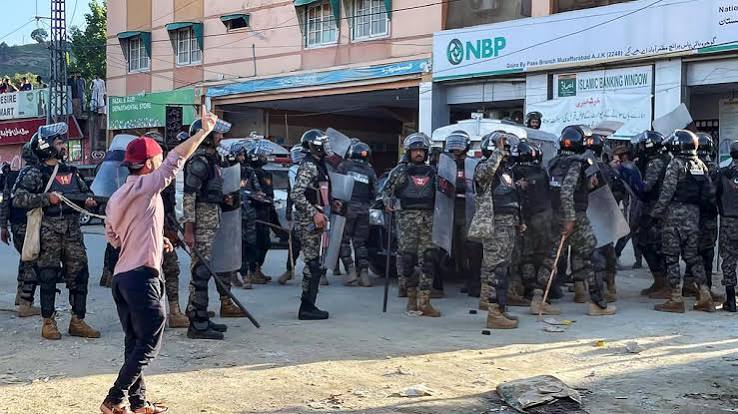
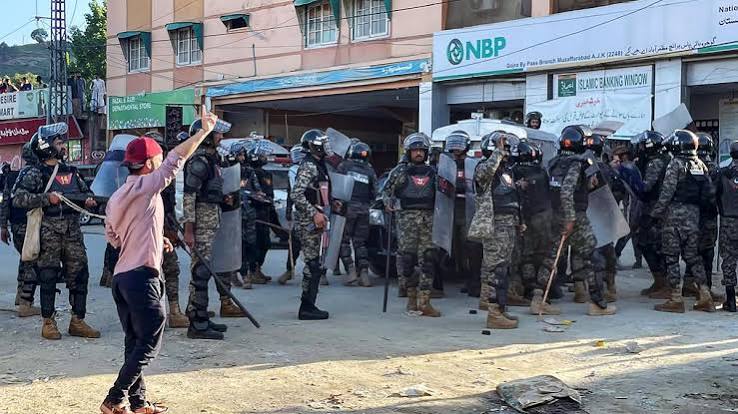
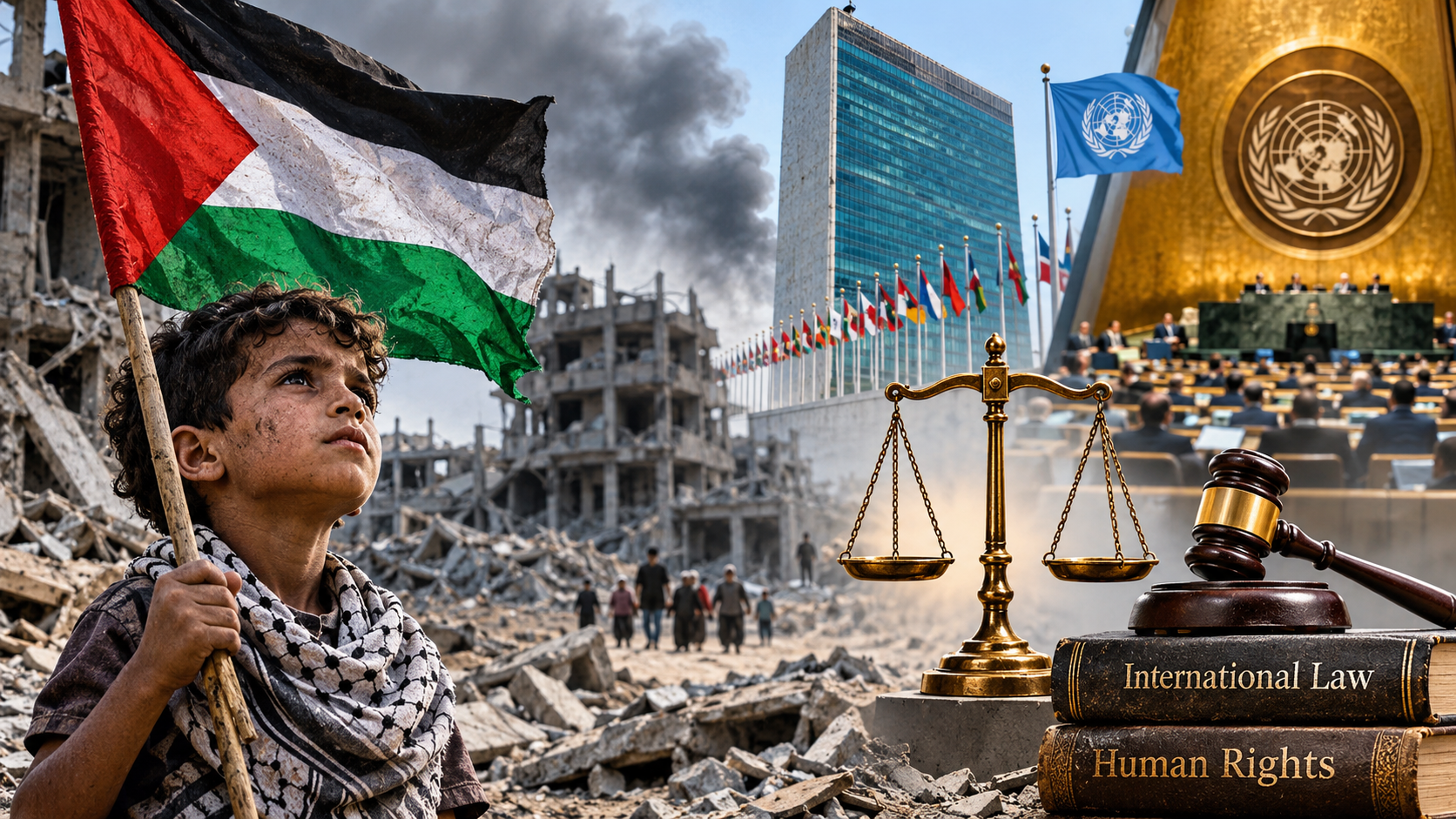
When we were busy with seasonal festivities, across the Line of Control in Rawalakot, security forces opened fire on protesting civilians and homes were burnt to the ground. Anger against the Pakistani military has reached a boiling point, spilling over into rare public condemnation of the United States for its perceived backing of the army. Even as former Pakistan-occupied Kashmir (PoK) Prime Minister Raja Muhammad Farooq Haider Khan called for urgent intervention, the establishment’s response has been predictably tone-deaf—relying on the UK-educated, military-linked President Dr Najeeb Naqi to pacify the proud Sudhan tribe in his hometown of Sudhonoti. This is not merely an internal Pakistani crisis; an unstable periphery on India’s doorstep carries the inherent risk of unpredictable spillover.
The roots of this uprising are decidedly non-political and economic, spearheaded by the Joint Awami Action Committee (JAAC)—a grassroots coalition of traders, lawyers, and civil rights activists. The spark was severe inflation, soaring flour prices, and exorbitant electricity bills in the dead of winter, even as the region endures frequent blackouts despite generating roughly 3,000 megawatts of cheap hydroelectric power via projects like the Mangla Dam for mainland Pakistan. Compounding this economic deprivation is deep resentment against the lavish perks, luxury vehicles, and free utilities enjoyed by the Pakistani bureaucracy and local elites. Rawalpindi’s heavy-handed response—banning the JAAC, jailing its leaders, and brutally clearing a five-month-old 'occupy' protest at the Rawalakot bus terminal while ordering the registration of all licensed weapons—has only fuelled the fire, spreading the agitation across Muzaffarabad and Kotli despite ethnic and geographical divides.
Instead of addressing these bread-and-butter grievances, Islamabad remains preoccupied with ideological distractions, such as observing 'Jammu Martyrs Day' to stoke historical divisions and prevent any emotional bridge-building between the two sides of Kashmir. Rawalpindi is acutely aware that a stable, rapidly developing Jammu and Kashmir on the Indian side contrasts sharply with PoK’s neglect, and any shared regional aspirations would only diminish Pakistan’s hold. This is a reality that political figures in the Kashmir Valley, such as Farooq Abdullah, must recognise rather than speaking of 'gratitude' towards Pakistan. At the same time, New Delhi must avoid conflating PoK’s unrest with pro-India sentiment; districts like Poonch and Mirpur share little ethnic or cultural affinity with the Valley—a fault line recently underscored when Pakistan’s Defence Minister Khwaja Asif remarked that Poonch is hardly 'Kashmiri'.
The logical path out of this economic quagmire would be for Islamabad to reopen cross-LoC trade and cooperate with India on shared existential threats like melting glaciers and regional power grids. However, the Pakistani military’s compulsive securitisation of every domestic issue has left it devoid of strategic imagination. India, which already has its hands full maintaining stability in Jammu and Kashmir, has little appetite for absorbing the turmoil of PoK, yet it cannot afford to ignore a volatile neighbour.
The military repression will only push the region deeper into regression. History offers a stark warning: this very belt in Poonch was the epicentre of rebellions in 1947—which paved the way for Kashmir’s division—and again in 1955 over nearly identical economic and administrative grievances. Yet, both the Pakistani state and the international media remain dangerously indifferent to the warning signs. Poonch has always been a geopolitical powder keg, and unless Rawalpindi abandons force for genuine economic reform, another major explosion is only a matter of time.




[[comment.comment_text]]