The ‘Sacred Feminine’ as Nature: Rediscovering the Matriarchal Spirit of Indian Festivals


 44 minutes ago
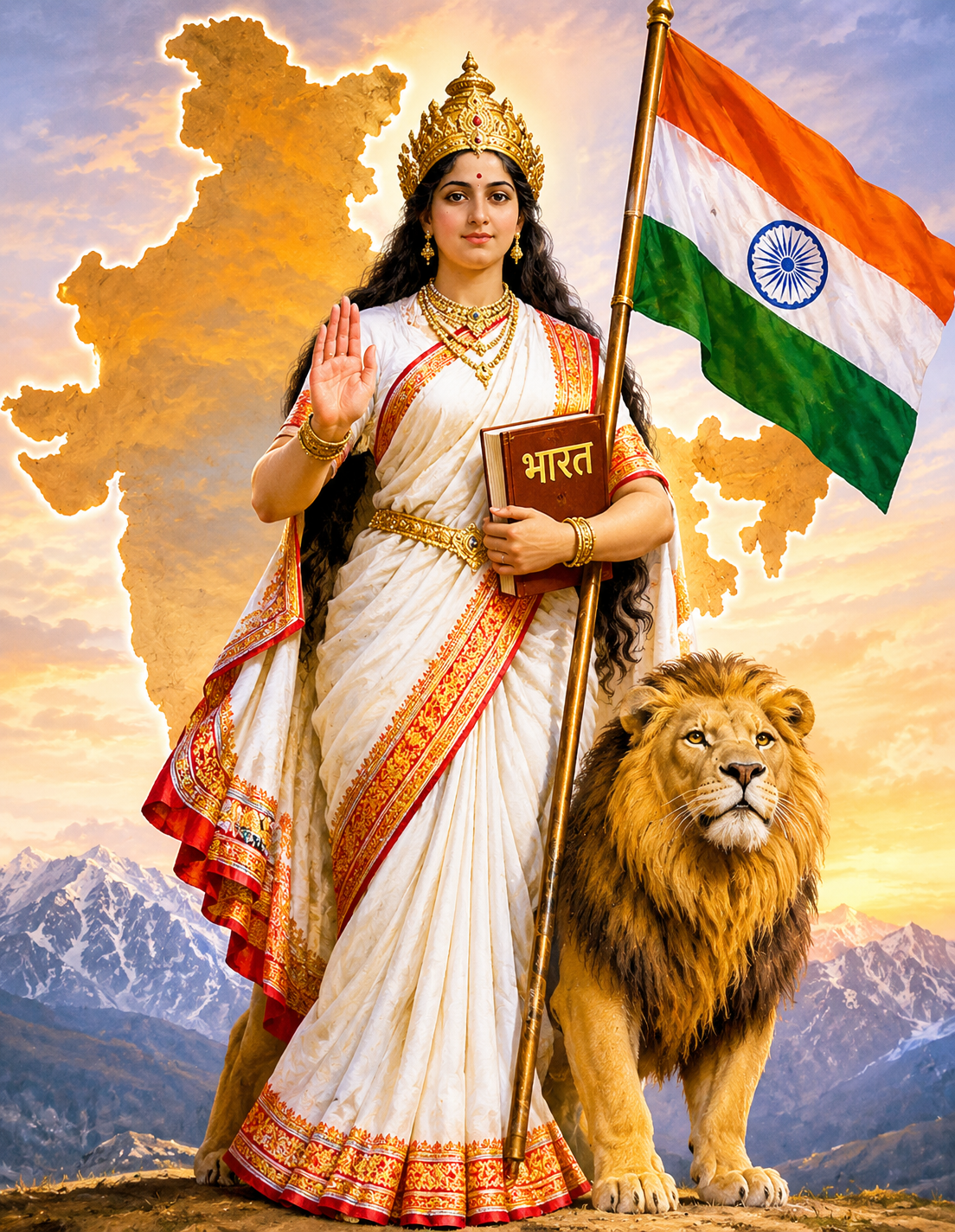
Indian civilisation has, through its festivals, preserved a profound understanding of the relationship between nature, humanity and the feminine principle. Beneath the colours, rituals, prayers and collective celebrations lies a cultural philosophy that recognises the feminine as the source of creation, nourishment, protection and renewal. The matriarchal dimension of Indian festivities is not always expressed through the assertion of women’s social authority; rather, it finds its deeper meaning in the reverence for Shakti — the creative and sustaining energy that animates the universe. From Chhath to Raksha Bandhan, Vijayadashami, Diwali and Holi, the feminine principle appears in different manifestations, reminding society that life and civilisation cannot be understood without acknowledging the centrality of women and nature.
Chhath Mahaparv offers perhaps the most remarkable expression of this philosophy. While the Sun God is worshipped as the ultimate source of energy and life, the festival’s spiritual landscape is deeply connected with rivers, water bodies, earth, vegetation and the cycles of nature. Its distinctive feature is the equal reverence accorded to the setting and the rising Sun. Worshipping the Sun at sunset is a powerful acknowledgement that dignity and divinity do not diminish with decline, age or apparent withdrawal. The ritual is also sustained largely by women, particularly mothers, who undertake rigorous fasting and observances for the well-being of their families. Yet its spiritual significance transcends gender: men, women and children participate in a collective act of gratitude towards nature. Chhath thus brings together the masculine energy of the Sun and the nurturing, life-giving character of water and earth, creating a remarkable harmony between complementary forces.
The matriarchal dimension becomes even more evident when we look at the place of women in the natural world. Mother Earth, rivers as mothers, forests as protectors and the divine feminine as the embodiment of fertility and abundance are recurring ideas in Indian cultural imagination. Nature is not merely a resource to be exploited; it is a living presence to be respected and protected. This worldview gives Indian festivities an ecological character that is often overlooked in contemporary celebrations. Chhath, in particular, demands a relationship with nature based on cleanliness, restraint, discipline and gratitude. Its insistence on clean water bodies and the use of natural offerings carries an environmental message of considerable relevance in an age of pollution and ecological degradation. The festival reminds us that reverence for the mother principle must translate into responsibility towards the natural world.
Raksha Bandhan, too, can be understood through the feminine principle, although its conventional interpretation centres on the protection of sisters by brothers. At a deeper cultural level, the festival celebrates the emotional and moral authority of the sister, who initiates the sacred bond by tying the rakhi. She invokes affection, responsibility and mutual commitment, transforming a simple thread into a symbol of enduring human relationships. The sister is not merely the recipient of protection; she is the bearer of the ritual, the custodian of familial affection and an active participant in defining the moral obligations of the relationship. Its contemporary significance should therefore move beyond the narrow idea of male guardianship towards mutual respect, equality and shared responsibility. In this sense, Raksha Bandhan celebrates the feminine capacity to bind families and communities through affection, trust and emotional strength.
Vijayadashami, or Dussehra, offers a more explicit celebration of feminine power through the worship of Goddess Durga. The victory of the Goddess over Mahishasura represents the triumph of Shakti over destructive forces. The underlying message is that the preservation of cosmic and social order requires the active intervention of feminine energy. Durga is not portrayed as a passive or dependent divinity; she is a warrior, protector and independent source of power. Her ten arms symbolise the multiplicity of capacities required to confront injustice and restore balance. The celebration of Vijayadashami consequently carries a message beyond mythology: societies cannot overcome oppression, violence and disorder unless they recognise and empower the strength inherent in women. The victory of good over evil acquires an additional dimension when viewed as the assertion of feminine courage, wisdom and moral authority.
Diwali, commonly associated with the return of Lord Rama to Ayodhya and the triumph of righteousness, also has a significant feminine dimension. Goddess Lakshmi, the embodiment of prosperity, abundance and well-being, occupies the centre of its religious observances. The lighting of lamps symbolises the dispelling of darkness, while Lakshmi Puja expresses the aspiration for material prosperity accompanied by spiritual harmony. In several regional traditions, the festival also recalls Sita’s return to Ayodhya alongside Rama, bringing into focus her strength, dignity, endurance and moral independence. The feminine principle here is not limited to wealth or domestic prosperity. It represents the ability to nurture a household, sustain relationships and create conditions in which individuals and communities can flourish. Diwali’s deeper message is that prosperity becomes meaningful only when accompanied by compassion, ethical conduct and collective well-being.
Holi, with its exuberant colours and uninhibited celebration, presents another fascinating expression of feminine symbolism. Its mythological narrative includes Holika, while its cultural and devotional traditions are inseparable from Radha and Krishna. The colours of Braj’s Holi celebrate Radha’s love, playfulness and emotional freedom, giving the feminine a central place in the festival’s cultural imagination. Holika Dahan, meanwhile, recalls the destruction of evil and the protection of devotion through the story of Prahlad. Although Holika’s role in that narrative is complex and cannot simply be equated with the benevolent feminine, the festival’s broader cultural expressions reveal how women, love, fertility and the renewal of life are woven into its celebrations. The arrival of spring, the blossoming of nature and the vibrant colours of Holi together symbolise regeneration. The festival celebrates life in its abundance, with the feminine principle represented through beauty, affection, creativity and the power of renewal.
Taken together, these festivals reveal that Indian cultural consciousness has never regarded the feminine merely as a domestic or subordinate presence. The feminine is celebrated as the source of creation, the guardian of relationships, the embodiment of prosperity, the defender of righteousness and the agent of social and spiritual renewal. This does not mean that every festival originated in a matriarchal social order or that historical Indian society consistently granted women equality and authority. There has often been a considerable gap between the symbolic worship of goddesses and the lived experiences of women. Yet the philosophical and cultural vocabulary of these festivals provides an important foundation for reflecting upon women’s dignity and agency. The challenge is to translate the reverence expressed in rituals into meaningful respect in everyday life.
There is also an urgent ecological lesson embedded in this understanding. If rivers are mothers, the contamination of rivers is an assault on the very principle that our traditions claim to honour. If the earth is worshipped as a nurturing mother, the destruction of forests, depletion of groundwater and degradation of soil contradict the spirit of our celebrations. If prosperity is associated with Lakshmi, it cannot be separated from equitable development and responsible consumption. The feminine principle, therefore, offers an ethical framework for reconciling cultural traditions with contemporary concerns about climate change, environmental justice and sustainable development. Festivals should not become occasions for excessive consumption and ecological damage; they should renew our commitment to the natural systems that sustain human existence.
In the ultimate analysis, the strength of Indian festivals lies in their ability to unite faith, nature, family and society in a shared cultural experience. Chhath teaches gratitude towards the elements; Raksha Bandhan celebrates the bonds of affection and mutual responsibility; Vijayadashami proclaims the power of Shakti; Diwali invokes prosperity and the triumph of light; and Holi celebrates love, renewal and the exuberance of life. Each, in its own way, reflects an understanding that the feminine is not an ornamental aspect of civilisation but one of its foundational forces. Rediscovering this matriarchal spirit does not require diminishing the masculine or creating a hierarchy between the two. It requires recognising the complementary energies that sustain life. When society learns to honour women as much as it worships goddesses, and protects nature with the same devotion with which it celebrates its rivers and the earth, the true spirit of these festivals will find its fullest expression.
(The author, a serving civil servant, is a regular TEW commentator on art, literature, aesthetics, and popular culture.)









[[comment.comment_text]]