How Eisenkot Can Fix Broken US-Israel Relations

 an hour ago
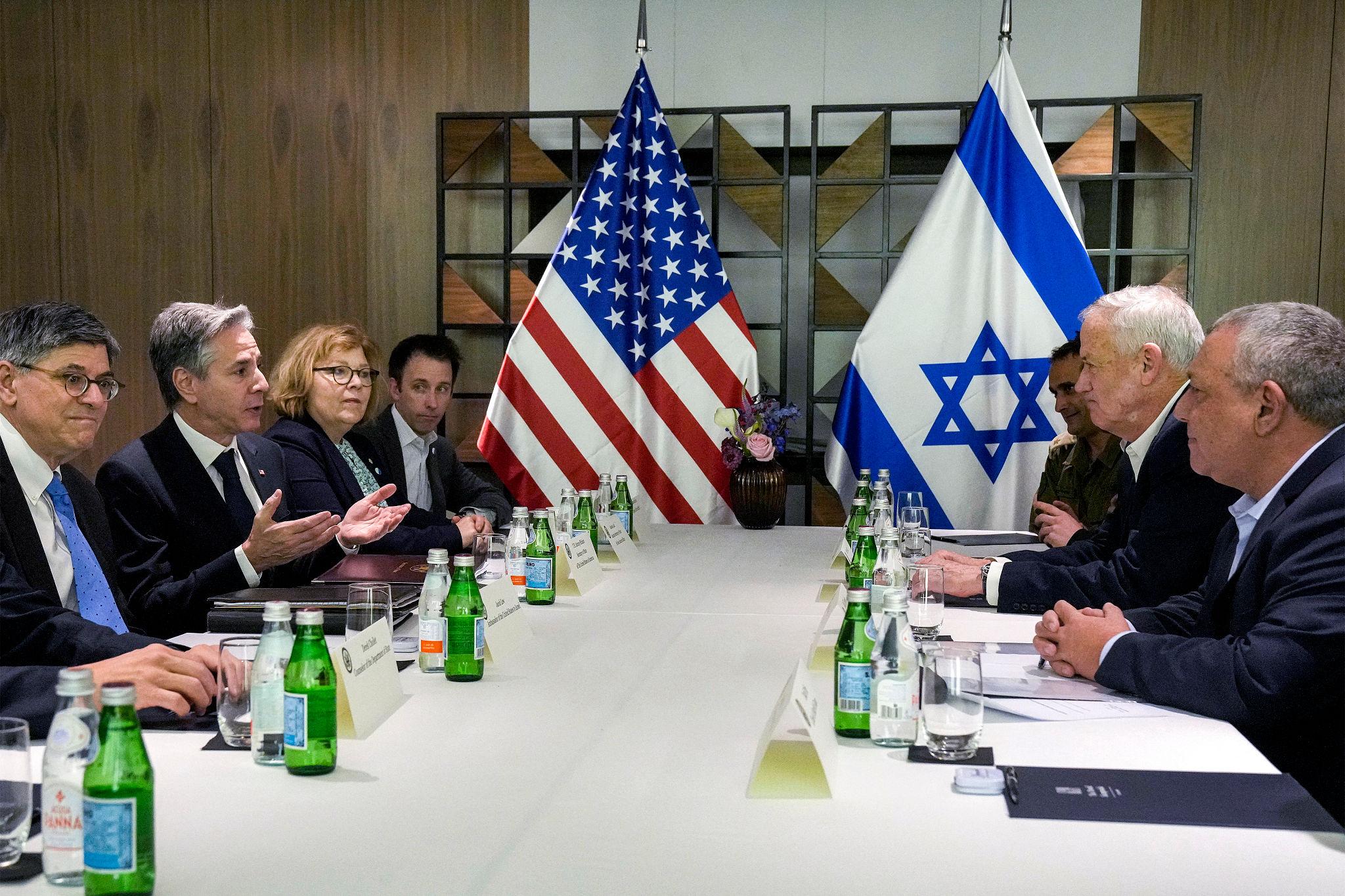
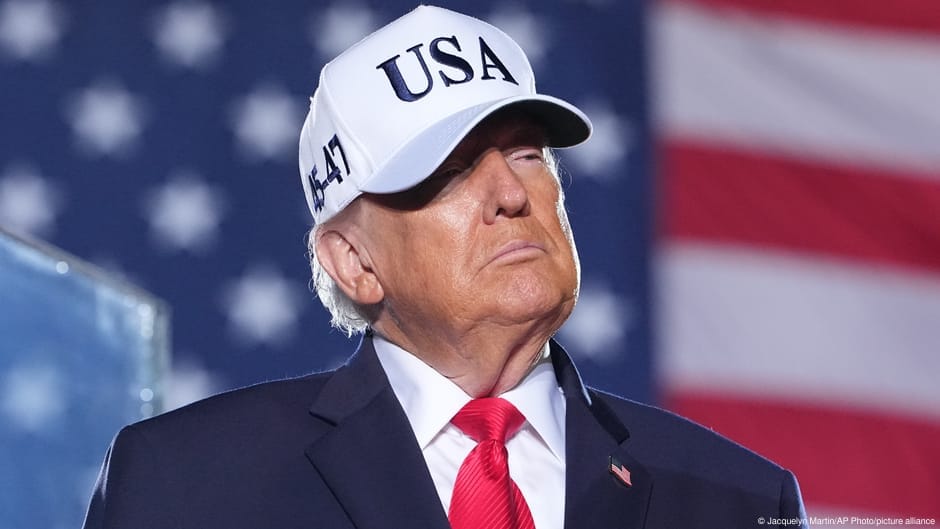
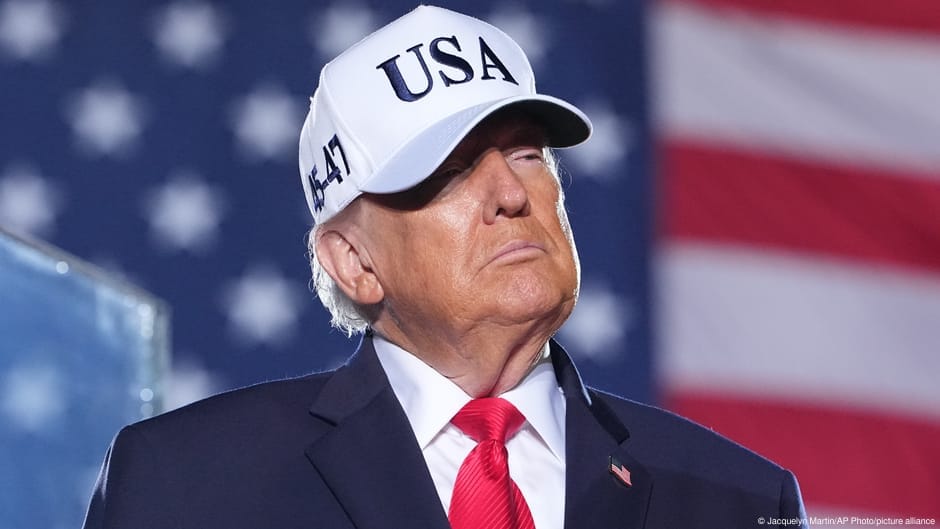
If Gadi Eisenkot succeeds in forming Israel’s next governing coalition, he will inherit not merely a fractured domestic landscape, but a historic rupture with the United States. For decades, Israel operated on the assumption that when tensions flared with the White House, it could rely on unwavering bipartisan backing in Congress. That safety net has vanished. Exhausted by the devastating war in Gaza and furious over Israel’s role in triggering a regional conflict with Iran that sent gas prices soaring, the American public and political establishment have reached a breaking point. With President Trump threatening to sever billions in military aid and a newly empowered Democratic Congress poised to impose sanctions and arms conditions, Mr. Eisenkot will not be afforded the luxury of a diplomatic honeymoon.
To arrest this free fall, Mr. Eisenkot must immediately execute a sharp, visible U-turn on the ground in the West Bank and Gaza. Cosmetic rhetoric will not suffice in Washington; only tangible policy shifts can restore Israel’s credibility. The bare minimum required to reopen a constructive dialogue is a zero-tolerance crackdown on extremist settler violence, a halt to the contentious E1 settlement expansion outside Jerusalem, and the dismantling of unauthorized outposts.
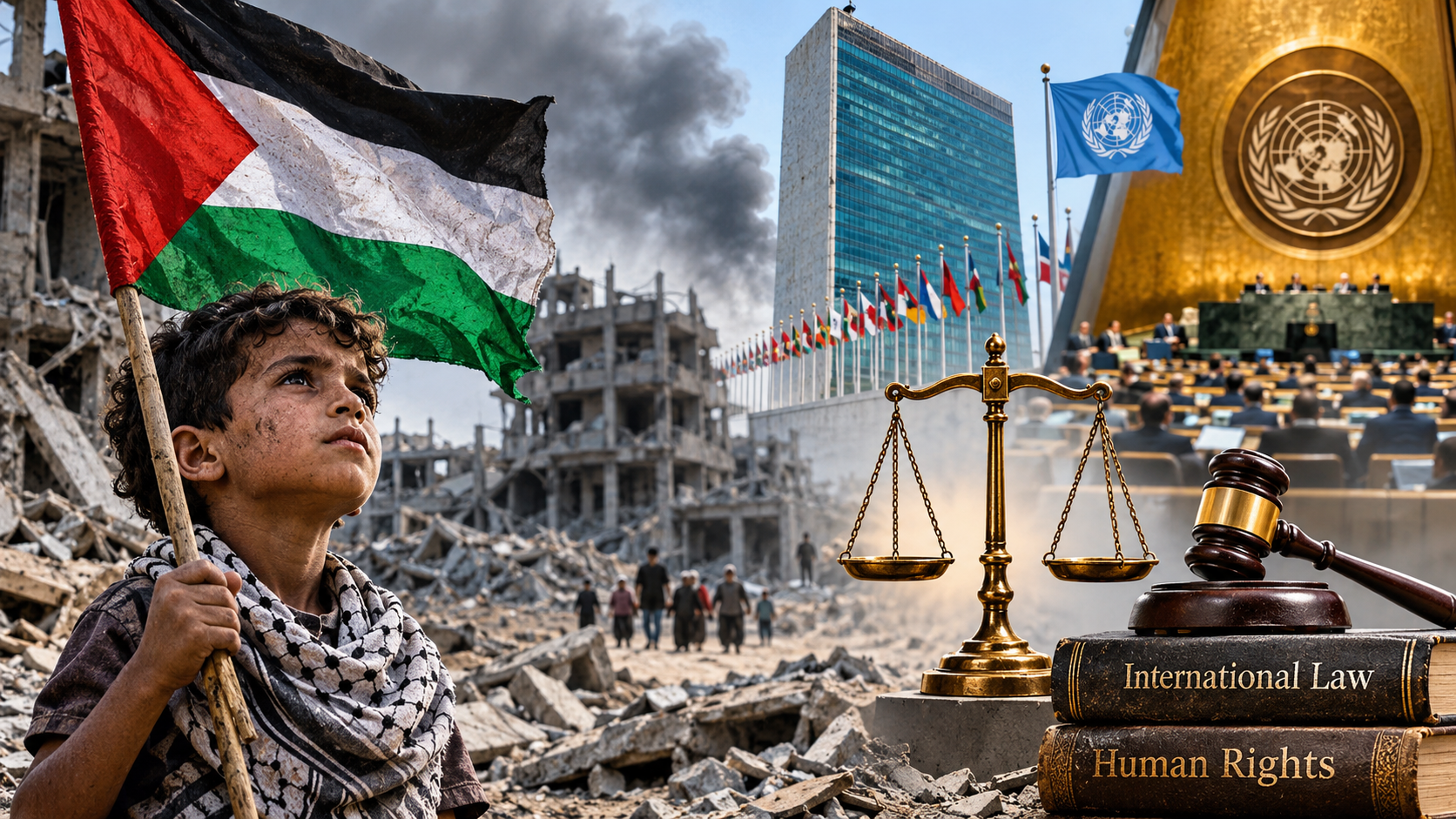
Simultaneously, Israel must alleviate the humanitarian catastrophe in Gaza by flooding the enclave with aid, permitting essential winter shelter, and deploying military field hospitals for Palestinian children. Beyond being moral imperatives, these actions would deprive Israel's fiercest critics of ammunition and give its remaining defenders in Washington a desperately needed foothold.
Equally critical is changing the diplomatic music coming out of Jerusalem. Under Benjamin Netanyahu, Israeli policy became synonymous with partisan alignment with the American right and an uncompromising march toward West Bank annexation. Mr. Eisenkot must reframe Israel’s strategic posture by acknowledging Palestinian trauma alongside Israeli grief and reviving the language of a two-state horizon. Before flying to Washington, he should first visit Cairo, Amman, and Abu Dhabi to signal genuine regional transformation. Arriving at the White House with an Arab coalition ready to back broader regional stability—while showing flexibility on Mr. Trump’s Gaza framework and de-escalation in Lebanon, Syria, and the Strait of Hormuz—would allow him to appeal to the President’s desire for transactional wins while proving to skeptical Democrats that Israel is once again a bipartisan partner.
Undoubtedly, every one of these steps carries immense domestic peril. Mr. Netanyahu and his right-wing allies will inevitably weaponize any territorial withdrawal, settlement freeze, or economic relief for the Palestinian Authority as an unforgivable capitulation to foreign pressure. Enforcing the rule of law against radical settlers risks sparking violent internal confrontation, and Mr. Eisenkot’s own hesitant rhetoric regarding Palestinian statehood reflects the daunting political tightrope he must walk at home. Yet, trying to placate domestic hardliners by stalling on reform is a strategy guaranteed to fail abroad, where patience has already run out.
All said and done, Eisenkot faces a stark choice between managing the immediate backlash of his political opponents at home or presiding over the permanent alienation of Israel’s indispensable ally. Washington is no longer willing to extend Israel a blank check or an indefinite grace period. If Mr. Eisenkot wants to rescue the U.S.-Israel alliance from irreversible decline, he must recognize that bold, immediate action is not just a concession to American demands—it is an urgent necessity for Israel’s own long-term security and survival.






[[comment.comment_text]]