The Himalayan Dilemma: Balancing Development and Biodiversity

 2 years, 10 months ago
The recent surge in commercial growth and promises of development in the Himalayas pose a significant threat to the fragile terrain and biodiversity of the region
Amit Pandey, Nainital
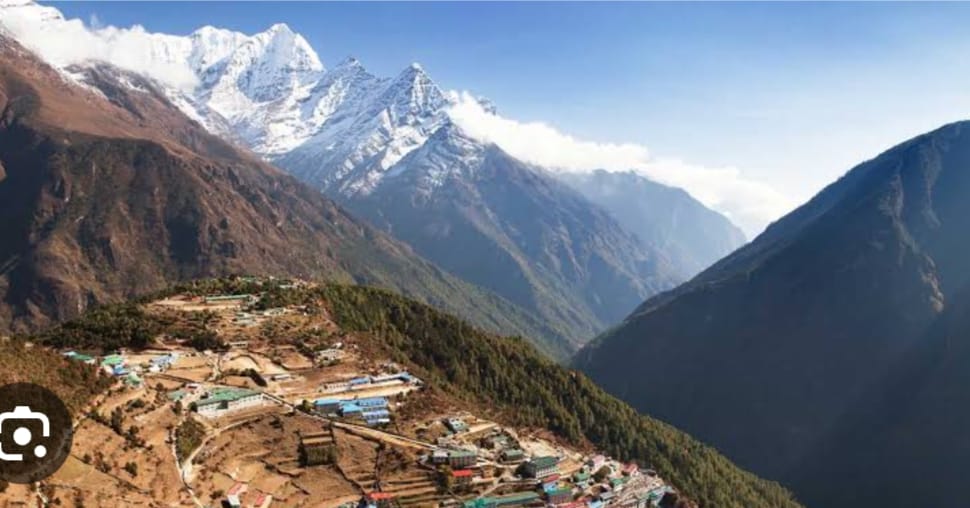
The Himalayan region, with its fragile ecosystem and natural calamities, is facing a severe threat from the recent surge in commercial growth and development promises. The recent influx of 3 Lakh Crore investment proposals in the Uttarakhand state has raised concerns about the ecological balance, and environmentalists are questioning the integrity of such projects.
Of the marked agricultural land, only a meager 13% remains in safe conditions. It is unclear where the government will establish development projects, and reports by wildlife and ICUN highlight how several fauna and bird species are at the verge of extinction due to habitat loss. The government must take measures to preserve biodiversity and protect these species from disappearing altogether.
The Himalayan region has already faced significant natural calamities this year, including floods, rifts, and cracks in areas such as Himalchal Pradesh, Joshimath, Mussoorie, Nainital, Sikkim, Assam, and Arunachal. These calamities have caused several people to lose their lives, and many still remain in relief camps.
In a recent incident, geologists warned the government about the Karnaprayeg tunnel and its potential impact on the mountains, but the government ignored their warnings citing development as a priority. Concrete construction and deforestation have overloaded tectonic plates, leading to flash floods and other devastating consequences.
Further, reports from CBRI have highlighted how concrete constructions are primary reasons for flash floods, cracks, and rifts in the region. Development activities will only lead to further deforestation, and the loss of trees and mountains.
Habitat loss of wildlife is another severe consequence of the development in the region. Recent incidents, such as a woman's death due to tiger attack in Nainital and a leopard attacking bikers and pedestrians in Chanpawat, Kenduadih, Haldwani, and Kathgodam, are attributed to a lack of preservation measures.
Despite the claims that development will create employment opportunities for the youth, it should only take place after a thorough geographical survey and strict adherence to environmental rules. The government must prioritize preserving the environment and biodiversity while pursuing development initiatives.
In conclusion, striking a balance between development and preserving the ecosystem is an urgent requirement for the Himalayan region. The government must ensure that development activities are sustainable and do not harm the environment further. It should prioritize strict measures to prevent habitat loss to preserve the delicate balance of the ecosystem.










[[comment.comment_text]]