Revived Diplomacy, Deep Divides: Why a Breakthrough in Ukraine Remains Out of Reach

 an hour ago
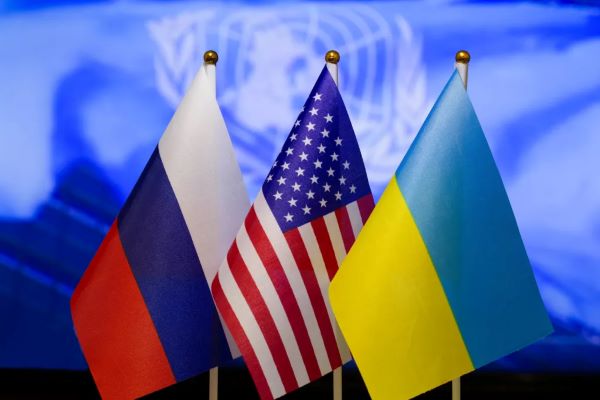
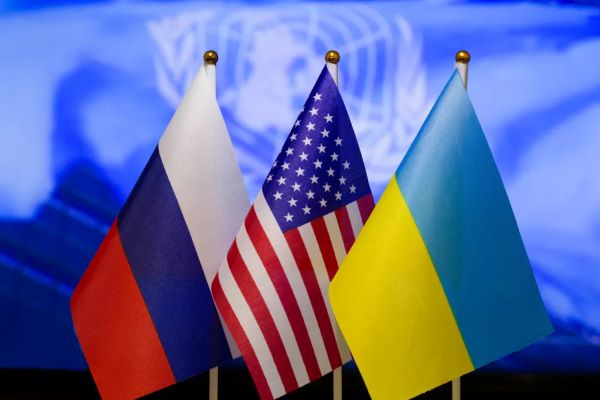
The resumption of trilateral talks in Abu Dhabi between the United States, Ukraine, and Russia marks a significant, if fragile, revival of diplomatic efforts to end a conflict now stretching into its fifth year. Interrupted by Washington’s recent military campaign against Iran, these renewed negotiations reflect a concerted push by the Trump administration to address postwar security architecture alongside territorial disputes in eastern Ukraine. By attempting to resolve security arrangements and territorial control simultaneously, American envoys are seeking a comprehensive framework that could finally break the devastating military stalemate.
Central to the discussions is the contentious question of future security guarantees for Ukraine. The White House has floated the prospect of offering Kyiv a commitment akin to NATO’s Article 5 collective defense clause, backed by both Washington and its transatlantic allies. Ukrainian President Volodymyr Zelenskyy noted that initial talks on these guarantees were substantive, underlining the necessity of long-term mechanisms to deter future aggression. However, the exact nature of any American commitment remains dependent on President Trump, leaving the ultimate shape of Kyiv’s security safety net uncertain.
Beyond the core combatants, the role of European nations has emerged as a major point of friction. While U.S. officials and European allies emphasize that a durable peace requires direct European involvement, Moscow has firmly rejected European participation at the negotiating table. Russian Foreign Minister Sergei Lavrov dismissed European representatives present in Abu Dhabi, insisting that Moscow will not engage with them directly. This fundamental disagreement over who gets a seat at the table highlights deep-seated divides regarding the broader European security structure following the war's conclusion.
Despite the renewed momentum, prospects for a immediate breakthrough remain severely constrained by Russia’s uncompromising stance. President Vladimir Putin has shown little appetite for concessions, continuing a devastating winter air campaign against Ukrainian infrastructure while demanding complete Ukrainian withdrawal from key Donbas territories as a prerequisite for any ceasefire. With Lavrov explicitly rejecting temporary tristice agreements without explicit future guarantees, Moscow appears intent on using territorial leverage to dictate the terms of any final settlement.
In the ultimate analysis, while the Abu Dhabi summit demonstrates a shared willingness to maintain dialogue, the path toward a "big, beautiful deal" remains treacherous. Both Ukrainian officials and European diplomats remain deeply skeptical of Russia’s willingness to negotiate in good faith, viewing Moscow's actions on the ground as evidence of a continued commitment to armed conflict. Until both sides find common ground on territorial integrity and verifiable security commitments, these high-stakes diplomatic contacts are likely to yield incremental progress rather than a decisive end to the war.







[[comment.comment_text]]