Democracy in the Shadows: Institutional Manipulation and the Global Decline of Right-Wing Rule

 an hour ago
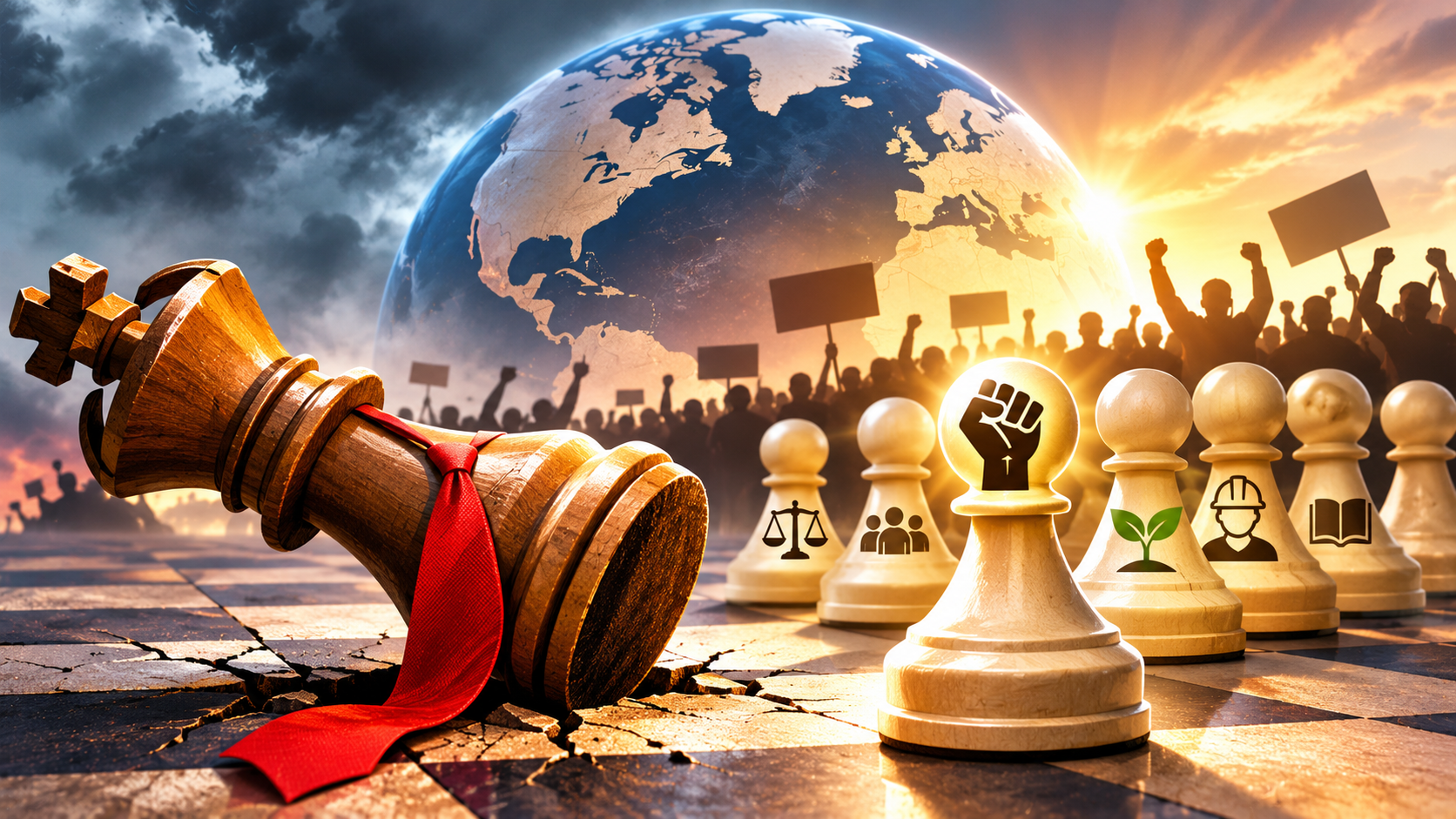
Over the past decade, right-wing political leaders rose to power in many countries across the globe. This majoritarian wave was visible in the popularity of figures such as Boris Johnson in the United Kingdom, Geert Wilders in the Netherlands, the Finns Party in Finland, Ulf Kristersson in Sweden, Giorgia Meloni in Italy, Viktor Orbán in Hungary, Scott Morrison in Australia, Jair Bolsonaro in Brazil, Javier Milei in Argentina, and Narendra Modi in India. At the core of this global conservative consolidation stood a powerful trio: Donald Trump in the United States, Benjamin Netanyahu in Israel, and Narendra Modi in India.
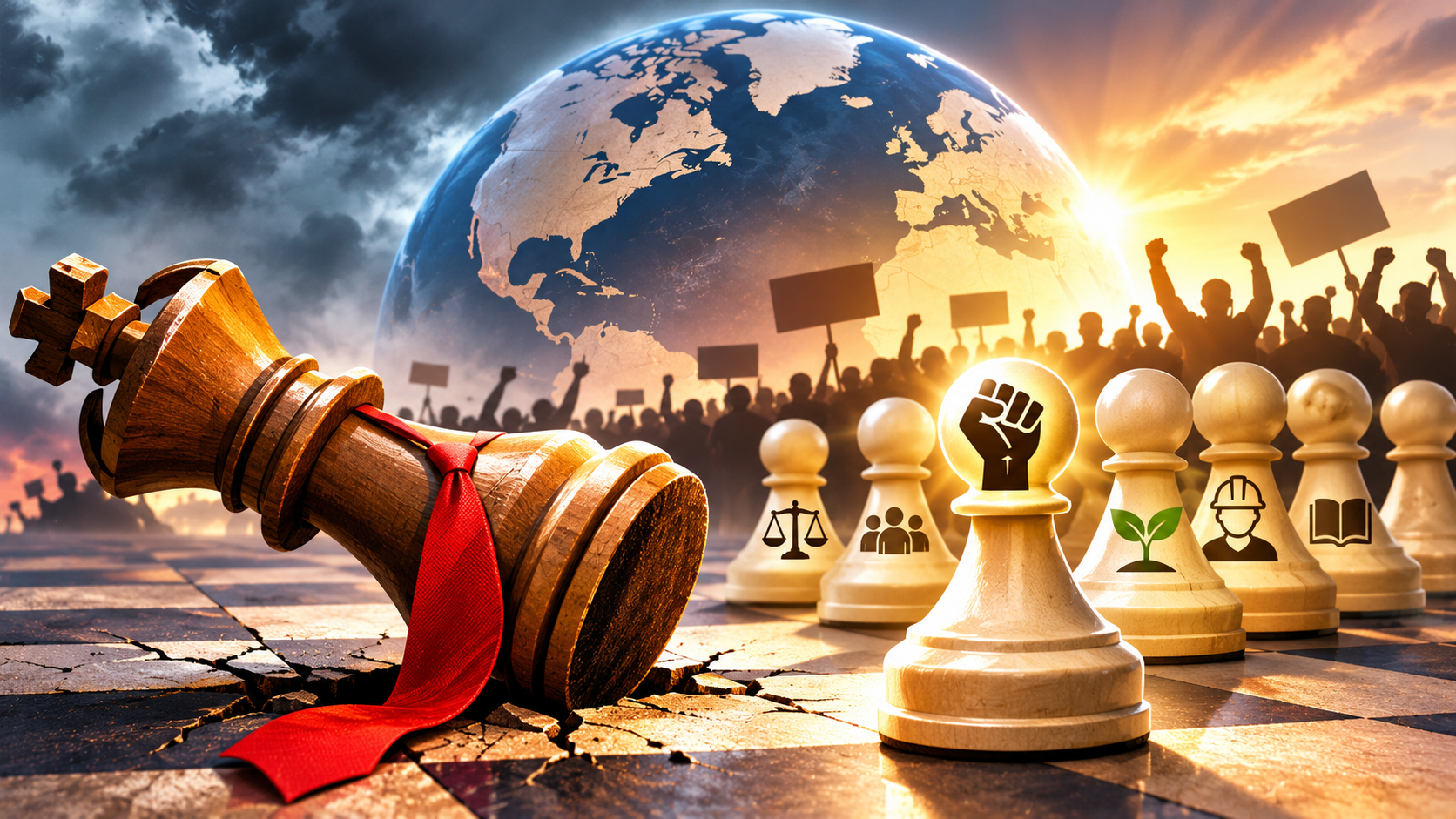
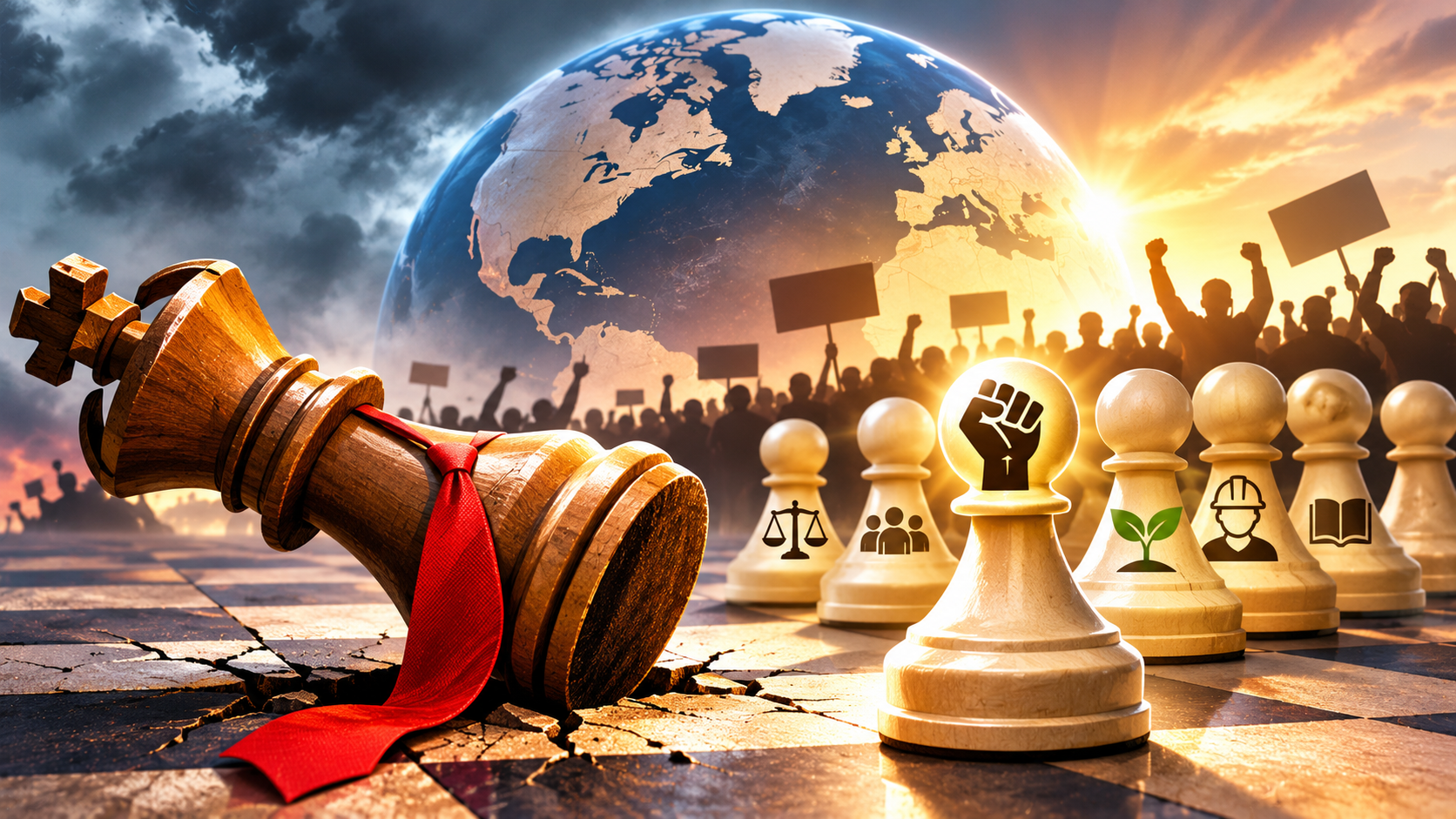
However, these right-wing governments share major systemic flaws: extreme centralization of power, strongman politics, cronyism, and the public neglect of ordinary citizens. Leaders focused heavily on majoritarian rhetoric while ignoring daily survival issues like rising inflation, high youth unemployment, poverty, and severe domestic and economic mismanagement. As a result, public anger has triggered a global shift toward left-of-center and progressive coalitions. Electorates in countries like Brazil, Hungary, Serbia, Israel, and the US have voted out right-wing incumbents or severely limited their power.
In this changing global landscape, Prime Minister Narendra Modi is often viewed as the last remaining pillar of that majoritarian triad. While some commentators argue that India's 2024 general election showed the resilience of Indian democracy by forcing the ruling party into a coalition framework, a closer look at the voting process suggests a much darker reality: a political environment where genuine public intent is undermined by institutional manipulation.
Systemic Fraud and the Myth of Democratic Correction
The claim that India’s democratic framework protected itself during the 2024 general election falls apart when confronted with serious allegations of widespread voter roll manipulation. Detailed investigative reports and public presentations by the Leader of the Opposition exposed deep structural irregularities within administrative operations, specifically under Chief Election Commissioner Gyanesh Kumar during the Special Intensive Revision (SIR) process. Concrete data showed fake addresses, duplicate registrations, invalid records, and mass deletions of legitimate voters targeting specific demographics.
When victory margins in many key assembly seats and parliamentary constituencies are as thin as two to three percent, deleting up to fifteen percent of eligible voters completely alters the outcome of an election. Removing valid citizens from voter lists while protecting unverified entries is not a simple administrative error; it directly steals the public's right to choose their leaders.
Therefore, calling the 2024 result a "democratic self-correction" masks the reality of electoral fraud. Rather than a leader accepting a smaller coalition mandate out of respect for public will, this political setup reflects a government staying in power by misusing administrative systems to suppress anti-incumbency sentiment. If an election relies on manipulated rolls and contested technological oversight, framing the outcome as a democratic victory becomes completely untenable.
Deepening Discontent and Economic Alienation
The economic and social problems driving people away from right-wing rulers worldwide are very present in India today. Persistent joblessness among educated young people, high food inflation, stagnant rural wages, and widening poverty are creating deep public anger. While majoritarian cultural issues and heavy personal branding previously shielded the government from accountability, economic distress cannot be covered up forever.
The public exposure of voter list manipulation has further damaged trust in the election process. When citizens realize that their votes are being diluted or stolen, the ruling government loses its legal and moral legitimacy. Global history shows that when severe economic problems combine with a lack of faith in democratic institutions, strongman regimes become extremely fragile.
Resurgence of the Left Wing on Global pattern: Protests and the Opposition Front
Despite facing a prolonged period of electoral decline in national politics, left parties in India, as on global pattern, are experiencing a noticeable political revival as active participants in the public resistance against electoral roll manipulation. The nationwide movement demanding institutional accountability from Chief Election Commissioner Gyanesh Kumar has galvanized diverse left-wing leaders and student groups onto common ground.
Key figures across the left spectrum have emerged at the forefront of this mobilization. Senior CPI(M) leader M.A. Baby—a prominent veteran from Kerala who has addressed enthusiastic crowds in fluent Hindi—alongside D. Raja of the CPI and Dipankar Bhattacharya of the CPI(ML) Liberation, have forcefully rallied opposition forces against SIR irregularities. Concurrently, student leader like Neha Vora and AISA have actively organized youth movements and campus demonstrations. This energetic participation indicates that while their legislative footprint may have shrunk, the organizational and ideological strength of left-of-center forces remains a vital engine for grassroots democratic resistance against Right-Wingers, very much on the global pattern.
The Broken Pillar
Narendra Modi's political future is not a story of enduring success, but one of shrinking legitimacy and growing instability. The idea that Indian democracy naturally balances out authoritarian rule ignores how state power can be used to alter voter data itself.
As citizens across the world continue to reject right-wing leaders, relying on centralized control and electoral manipulation has clear limits. A government that stays in power by manipulating systems rather than solving real public problems stands on weak ground. As public awareness of these irregularities grows alongside economic hardship and organized opposition resistance, the last main leader of the global right-wing wave faces an uncertain and precarious future.
(Author, a PhD from the School of International Studies, JNU, is a senior TEW editorial adviser and columnist.)





[[comment.comment_text]]