Palamu’s Glorious Past, Challenging Present: A Heritage Waiting to Be Rediscovered

 2 hours ago
From Medini Rai’s Legacy to Coalfields and Forests, Palamu Needs a New Vision for Sustainable Development
Palamu, a region steeped in history and blessed with mineral wealth, forests and natural beauty, represents one of Jharkhand’s most promising yet underexplored destinations. From the historic Palamu forts associated with the Chero rulers to the coalfields of Rajhara and the wilderness of Betla National Park, the region possesses immense potential. However, inadequate heritage conservation, limited employment opportunities and uneven development continue to raise questions about how effectively its resources are being utilised.
A Rich Historical Legacy
Palamu’s history extends far beyond its present administrative boundaries. The region has witnessed changing political powers, administrative reorganisations and cultural transformations. Its historical identity is closely associated with the Chero rulers, particularly Medini Rai, who remains a respected figure in local tradition and collective memory.
Remembered for his leadership and courage, Medini Rai symbolises Palamu’s distinctive historical identity. The region’s past also reflects the influence of the Mughal Empire and British colonial rule, making it an important area for historical research.
Historic Forts in Need of Conservation
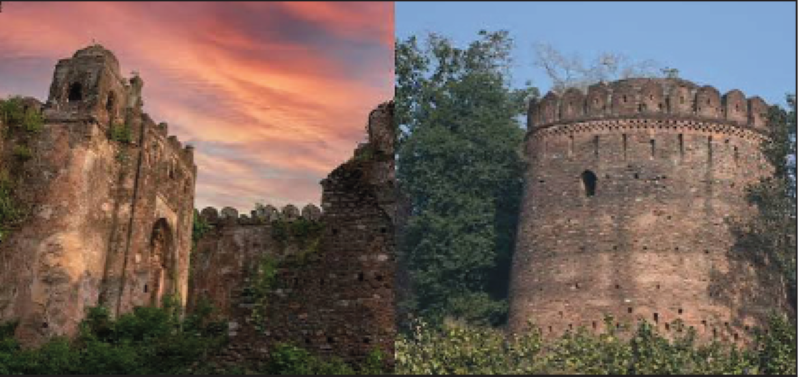
The old and new Palamu forts stand among the region’s most valuable heritage sites. Their surviving walls, gateways and architectural remains offer glimpses into the political and military history of the area.
Unfortunately, the deterioration of historic structures and the need for systematic conservation threaten this valuable legacy. Scientific restoration, archaeological research, informative signboards and trained tourist guides could transform these monuments into important educational and tourism destinations.
A comprehensive heritage conservation plan would not only protect historical structures but also generate livelihood opportunities for local communities.
Mineral Wealth, Limited Local Benefits
Palamu’s importance is not restricted to its historical legacy. The Rajhara coalfield, near Medininagar, reflects the region’s long association with mining and industrial activity. Yet, the existence of mineral resources has not necessarily translated into adequate employment, infrastructure and economic opportunities for local residents.
Mining-affected communities continue to seek better facilities, environmental safeguards and meaningful livelihood opportunities. Responsible mining, skill development, improved public infrastructure and stronger safeguards for affected villages should form essential components of the region’s development strategy.
The objective must be to ensure that natural resources contribute to inclusive economic growth and that local communities receive a fair share of development benefits.
Forests and Wildlife Offer Tourism Opportunities
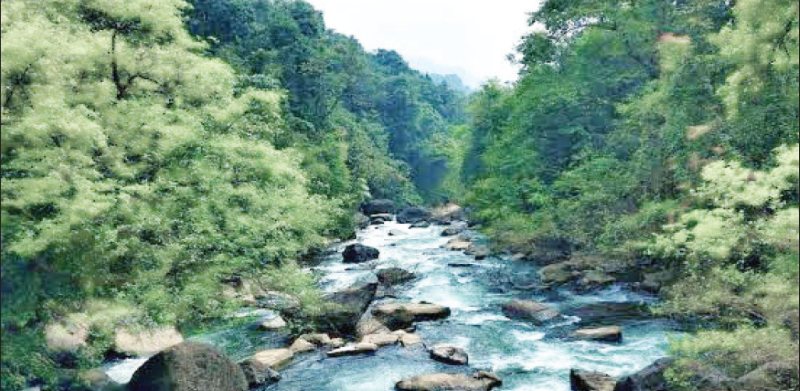
Palamu’s forests, hills and wildlife provide another major development opportunity. Betla National Park and Palamu Tiger Reserve have established the region’s importance in wildlife conservation and nature tourism.
Combining these attractions with the historic forts could create an integrated tourism circuit. Better connectivity, accommodation, sanitation, digital information facilities and trained local guides would make the region more accessible to visitors.
Tourism planning must, however, respect ecological limits and prioritise conservation. Local residents should be encouraged to participate through hospitality services, handicrafts and cultural activities, creating sustainable employment without damaging the natural environment.
A New Development Vision for Palamu
More than 25 years after Jharkhand’s formation, balanced regional development remains an important challenge. Palamu needs coordinated efforts involving the departments of tourism, culture, archaeology, forests, mining and education.
Schools and colleges could promote local-history research, heritage walks and educational visits to historic monuments. Researchers, historians and community elders should also help document oral traditions, historical records and cultural practices.
Palamu’s past is glorious, but its future depends on the decisions taken today. Protecting its forts, managing mineral resources responsibly, conserving forests and creating employment must become complementary priorities.
The region does not lack historical significance or natural wealth. What it needs is a sustained development vision that connects these assets with the aspirations of its people. Rediscovering Palamu’s heritage could be the first step towards building a more prosperous, inclusive and sustainable future.
(Author, a senior journalist, is RE to TEW Palamu edition.)








[[comment.comment_text]]