Due to financial constraints, 13 thousand children reached govt school after cutting their names from private schools.

 5 years, 3 months ago
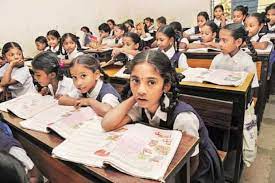
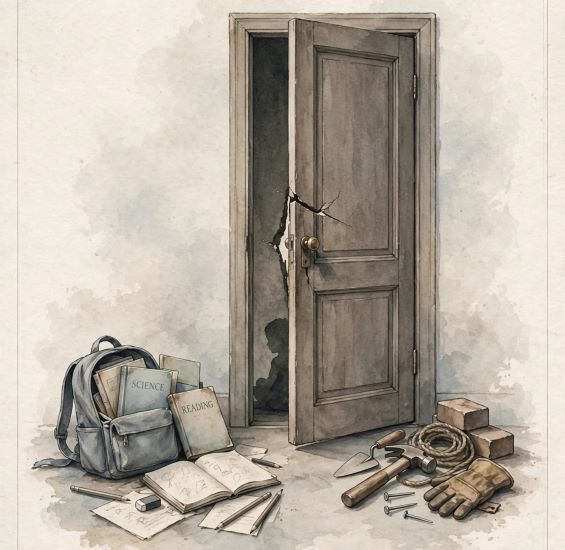
In the second wave of Corona, along with the financial condition of the families, the dreams of the children are also being broken. Due to loss of employment and loss of income, parents are unable to deposit the fees of their children in private schools. They are forced to cut their children's names out of private schools. 40 primary and 20 high schools in Ranchi and 35 government schools in Dhanbad.
It was found that about 13000 students taking admission in these schools have come out of private schools.
According to the data prepared by Jharkhand Education Project, more than 24 thousand children have been enrolled in government schools in Ranchi district this year as compared to last year.
On checking the transfer certificates submitted by the children at the time of enrollment, 50% of private schools' transfer certificates were found in it. That is, in Ranchi, 12 thousand students dropped their names from private schools and reached government schools. The rest of the children came by giving affidavits, many of them may also be from private schools. At the same time, in the investigation of 35 schools in Dhanbad, it was found that 1006 children have come to government schools after cutting names from private schools.
1. More than 51 percent of the students who reach government schools after getting their names cut from private schools are daughters. She studied in several prestigious CBSE-ICSE schools in the city.
2. The main reason for increasing admission in government schools is also the closure of many unrecognized schools during the Corona period. Such schools could not continue their studies due to the recession in Corona and eventually the schools were locked.
3. Uday Pratap Singh, a resident of Baramudi in Dhanbad, told that his two children studied in a prestigious ICSE school in the city. In May, the school management demanded 60 thousand rupees as outstanding fees. Due to non-payment of fees, the name of the children was removed from the online class.
(Agencies)





[[comment.comment_text]]