Delhi Panchayat Sangh demands marriage hall in every village of national capital

 2 years, 10 months ago
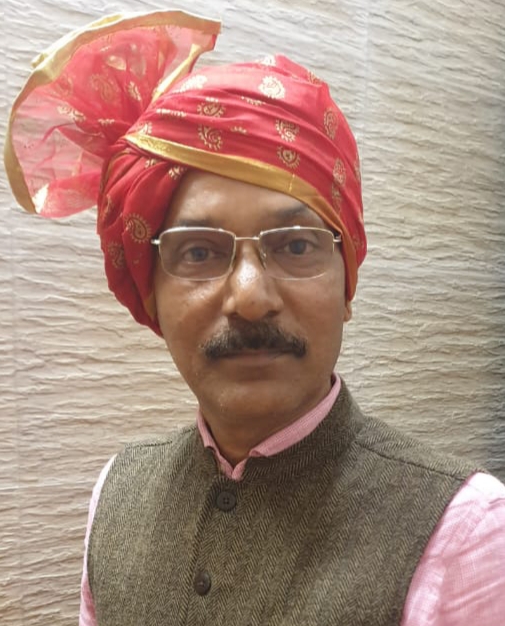
Thane Singh Yadav appeals for Uninterrupted Cultural Events in Urbanized Villages
New Delhi, EW News: The Delhi Panchayat Sangh (DPS) has appealed to the Lieutenant Governor to take appropriate steps to solve the unfulfilled demands of villages of national capital. The villagers body demanded LG to establish a marriage hall in every village falling under the national capital territory. DPS accused the MCD and DDA of unnecessarily creating problems for Delhi’s villagers. DPS supremo requested LG to stop the Municipal Corporation (MCD) and Delhi Development Authority (DDA) from causing inconvenience to residents of urbanized villages in Delhi by disrupting weddings and cultural events.
Thane Singh Yadav, the head of the Panchayat Sangh, highlighted the lack of community spaces for weddings in most urbanized villages in Delhi. He expressed concern that while government departments were earning substantial revenue by leasing land at high rates, villagers were deprived of facilities to conduct their cultural, social, and religious events.
Yadav specifically mentioned the sudden discontinuation of events in the Nangloi Saidan village, causing distress among the residents. Despite discussions with relevant authorities, he cited strict directives from the Lieutenant Governor and the NGT (National Green Tribunal) as the reason behind the listed locations being the only options for events.
Deputy Chief Sunil Sharma emphasized that the MCD and DDA independently choose locations that are outside the reach of villagers. The Panchayat Association insisted that until adequate facilities were provided in the villages hosting events, disruptions should be avoided to prevent inconvenience to the residents.
In response, an appeal was made to all municipal councilors, legislators, and parliamentarians to stand with the villages and work towards resolving the issue. The Panchayat Association warned that failure to address the concerns might lead to opposition from the affected villages and their residents facing ongoing inconvenience.







[[comment.comment_text]]