Delhi Government increases minimum wage for daily wagers

 5 years, 4 months ago
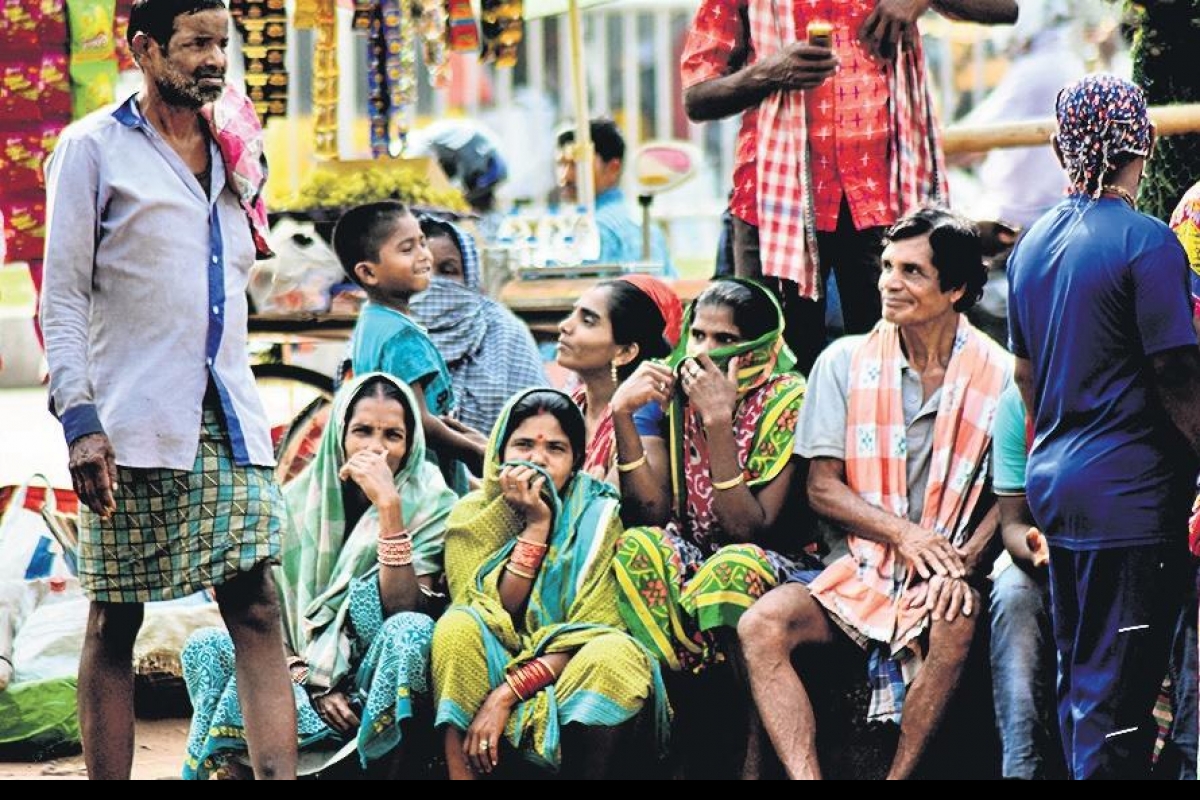
New Delhi : Delhi's Deputy Chief Minister Manish Sisodia released an order, increasing the dearness allowance for unskilled, semi-skilled, skilled and other workers in all scheduled employments, with effect from April 1, 2021.
Sisodia said, “These steps have been taken in the interest of the poor and working class who have suffered disproportionately due to the current pandemic. This order shall also benefit those in clerical and supervisory jobs, he said. He added that people in the unorganized sector who are employed on minimum wages should not be deprived of dearness allowance. Factoring in the dearness allowance, revised rates of minimum wages have been announced.”
Under the dearness allowance, the monthly wages for unskilled labourers have been increased from Rs. 15492 to Rs. 15908. For semi-skilled labourers, their monthly wages have been enhanced from Rs. 17069 to Rs 17537. For skilled labourers, the monthly wages have been increased from Rs. 18797 to Rs. 19291.
Additionally, minimum wage rates for the supervisor and clerical cadre of employees have also been increased. The monthly wages for non-matriculate employees have been increased from Rs. 17069 to Rs. 17537 and for matriculate employees, from Rs. 18797 to Rs. 19291. For graduates and those with higher educational qualifications, monthly wages have been increased from Rs. 20430 to Rs. 20976.
Sisodia said, "Although we have had to cut down on many expenditures, keeping in mind the interests of our working class, this decision has been taken". Every section of the society has been adversely affected due to the pandemic. Adding to the woes of the masses is the soaring prices of daily essentials such as oil and pulses. "I hope that this increase in wages will provide some relief to our labour brethren.” He also shared that the minimum wages of Delhi are the highest in comparison to any other state in India.
(EW News Desk)








[[comment.comment_text]]