The Death of the Mandate!

 3 months, 2 weeks ago
The parallel defection dramas playing out in West Bengal and Maharashtra should worry us deeply as voters. They do not merely serve as a grim reminder of the growing crisis within our electoral democracy; they make a complete mockery of our choices in the polling booth. When elected representatives treat public mandates as personal leverage, the very foundation of representative governance begins to crumble.
Defections themselves are nothing new to Indian politics, but the rate at which political parties have been splitting and regrouping in recent years is unprecedented. As MPs and MLAs scurry around like headless chickens looking for new sanctuaries, the spotlight turns squarely onto the anti-defection law. The current framework is riddled with loopholes, having been repeatedly mutilated to further the narrow interests of a self-seeking political class.
Beyond the letter of the law, however, the familiar shenanigans of resort politics and horse-trading pose a deeper, more fundamental question: should defections be allowed at all? Can we, in all conscience as a democracy that is supposed to reflect the will of the people, sanctify the movement of legislators to a rival party? It is a striking ethical failure to watch politicians join hands with rivals they were showering with abuse just days prior.
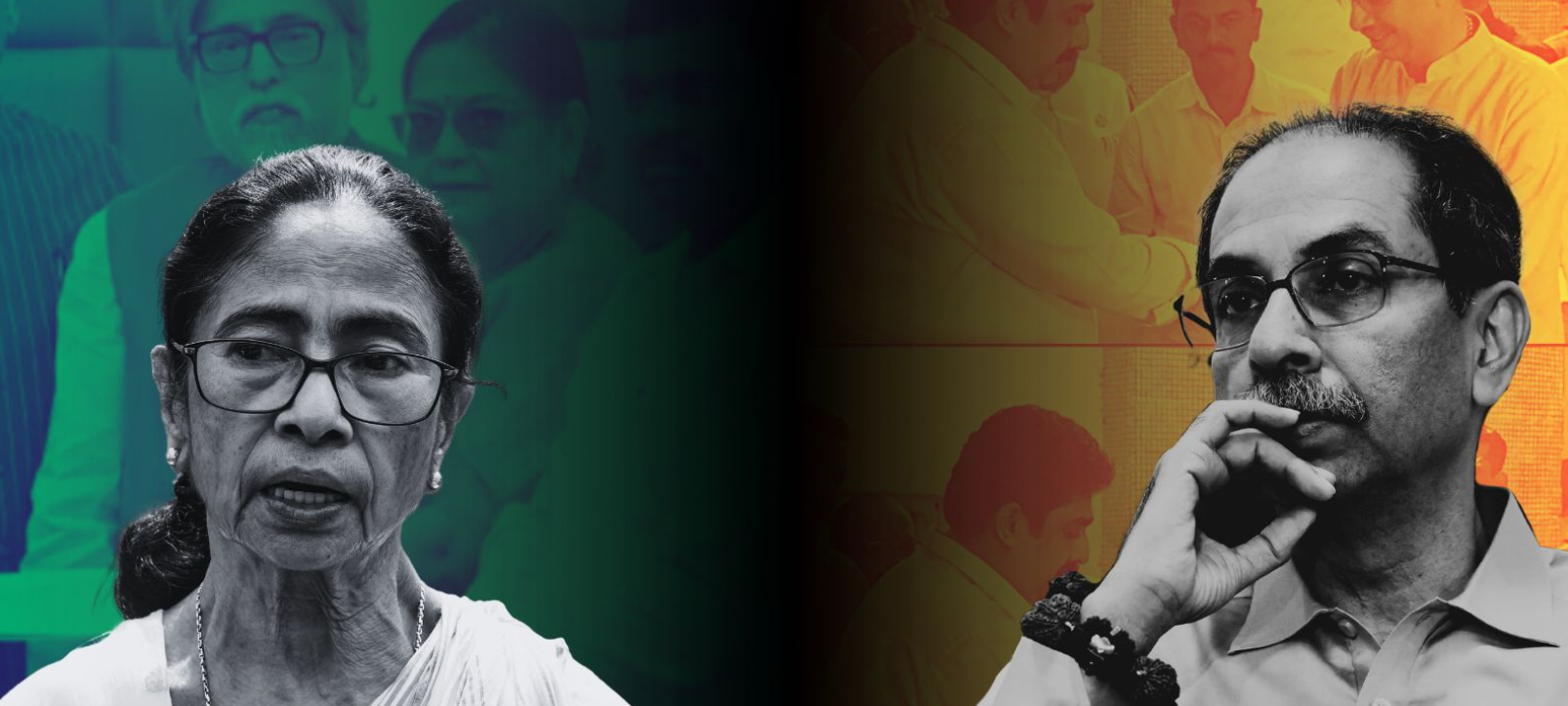
Consider the sordid saga unfolding in West Bengal following the recent regional political shifts. Within days of electoral setbacks for the Trinamool Congress, a staggering 20 of its 28 MPs—originally elected to the Lok Sabha under Mamata Banerjee’s name and symbol—are preparing to jump ship. This mass exodus showcases a highly calculated strategy to bypass legal repercussions while completely abandoning the platform they ran on.
The ruling BJP does not want these rebels directly in their party but is entirely ready to accommodate them within the broader NDA coalition. The defection formula worked out for them is a masterclass in the creative interpretation of a supposedly stringent law. The MPs plan to merge into a little-known, unrecognized entity born in 2023: the Nationalist Citizens Party of India (NCPI), which bagged just 0.03 percent of the votes in its lone past outing in Tripura.
The NCPI neither contested the recent Lok Sabha elections nor major assembly polls, yet with the sudden merger of these 20 Trinamool rebels, it will transform overnight from absolute anonymity into one of the largest blocs in Parliament. On the other side of the country in Maharashtra, a similar splintering is taking place. Uddhav Thackeray’s Shiv Sena is fracturing yet again, with six of its nine MPs currently crossing the floor to merge with a rival faction.
The danger this post-election manoeuvring poses to our electoral democracy is two-fold. First is the outright debasement of the mandate that MPs and MLAs receive from the public. Every defection invalidates the conscious choice of ordinary citizens, who vote for a specific party platform only to wake up and find their representative has shifted to the very alignment they voted against.
Second is the systemic breakdown of the party system itself. Political parties are the fundamental building blocks of a parliamentary democracy, providing ideological stability. When leaders switch horses midstream for personal gain, they pave the way for institutional erosion. If a party that received millions of votes can be reduced to a rump overnight by a few fleeing legislators, popular vote shares become meaningless numbers.
Ironically, the anti-defection law was originally passed via a constitutional amendment in 1985 precisely to stabilize this system. It was prompted by a chaotic history; between 1967 and 1983, India witnessed more than 2,700 assembly defections, epitomized by the notorious "Aaya Ram, Gaya Ram" phenomenon. A 2003 amendment attempted to tighten the law by banning individual "splits" and requiring a two-thirds majority for a legal "merger," yet even this has failed to stem the malaise.
Perhaps the time has finally come to consider banning post-election defections altogether. Any elected representative wanting to switch parties should be perfectly free to do so—but only after resigning their seat and seeking a fresh mandate from the electorate. Until voters actively penalize this behaviour at the ballot box, or the law forces a total resignation upon switching sides, our democratic choices will continue to be bartered away.









[[comment.comment_text]]