PM Modi to Flag Off Saharsa–Mumbai Amrit Bharat Train on April 24

 1 year, 5 months ago
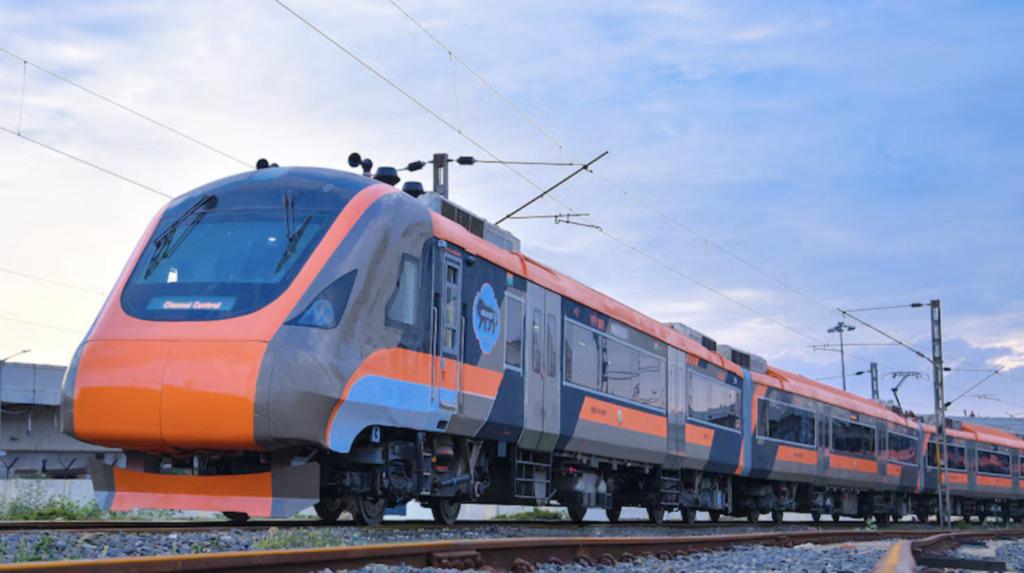
Prime Minister Narendra Modi will flag off the country’s third Amrit Bharat train on April 24, 2025, connecting Saharsa in Bihar to Lokmanya Tilak Terminus (LTT) in Mumbai. This event marks another significant milestone in Indian Railways’ mission to make train travel more inclusive, affordable, and modern. With this launch, Bihar receives the gift of two Amrit Bharat trains, reaffirming the government’s commitment to enhancing connectivity and convenience for all sections of society.
The Amrit Bharat initiative is a part of Prime Minister Modi’s vision to provide high-quality travel experiences at minimal cost. These non-AC trains, though highly affordable, are equipped with features that rival those found in premium or superfast trains. Indian Railways aims to operate 100 such trains over the next three years. Built with a focus on speed, safety, and passenger comfort, Amrit Bharat trains are designed to offer a super-class experience at fares as low as 45 paise per kilometer.
Currently, two Amrit Bharat trains are running successfully on the Darbhanga–Anand Vihar and Malda Town–SMVT Bengaluru routes. The new Saharsa–Mumbai service is India’s first Version 2.0 model of the Amrit Bharat train. It is a significant upgrade over its predecessors, offering enhanced safety features such as an onboard fire detection system and real-time gear and wheel monitoring through conditioning systems. Coaches are designed to absorb shocks for a smoother ride. The interiors are fitted with bright, modern lighting, foldable snack tables, mobile holders, and advanced toilet facilities. Security has also been improved with the installation of CCTV cameras in luggage areas and monitors in guard rooms. The train includes special toilets designed for differently-abled passengers to ensure ease of travel for all.
What makes this development particularly meaningful is the social message behind it. Amrit Bharat trains embody the idea that comfortable and dignified travel should not be a luxury reserved for a few. These trains, although non-AC, are built with the needs of the middle and lower-income groups in mind, providing an experience close to that of AC trains but at a fraction of the cost. This effort aligns with the principle of ‘Sabka Saath, Sabka Vikas,’ ensuring that no one is left behind in the journey of progress.
The Saharsa–LTT route is especially significant because of the strong emotional and economic ties between Bihar and Mumbai. For decades, countless families from Bihar have relied on Mumbai for livelihood, education, and opportunity. This new train service will not only reduce travel time but also provide a much-needed sense of reliability and dignity for people who often travel long distances under difficult conditions. Whether it is for attending a family wedding, returning home for a festival, or visiting loved ones, passengers can now do so with greater ease, without worrying about long waiting lists or uncomfortable journeys.
With a speed capacity of 130 kilometers per hour, the train also contributes to India’s growing rail infrastructure while keeping its focus on affordability. It reflects Indian Railways’ unique ability to blend technology with empathy, delivering solutions that address real-life challenges faced by millions of daily travelers.







[[comment.comment_text]]