Will Government Pay Heed to DGCA Audit of Aviation Ecosystem?

 1 year, 3 months ago
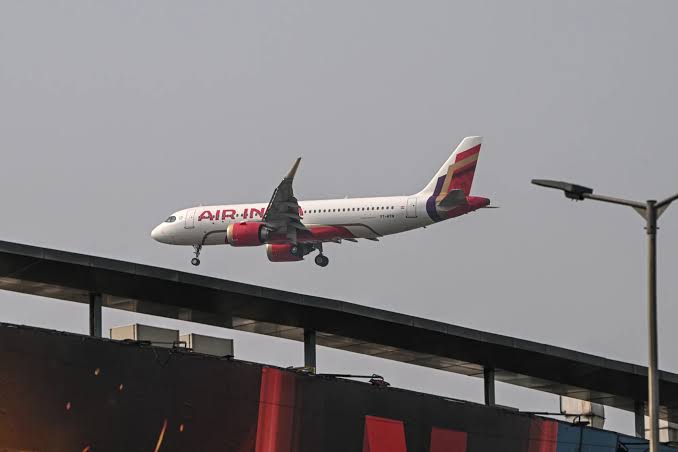
The Directorate General of Civil Aviation (DGCA) has recently released a comprehensive report on the Indian aviation ecosystem, following a series of in-depth surveillance exercises at major airports across the country, including Delhi and Mumbai. This comes against the backdrop of recent aviation incidents, prompting a heightened focus on safety standards.The report, stemming from a "360-degree" special audit framework initiated on June 19, 2025, highlights a range of significant safety violations and deficiencies. Its key findings are truly alarming and disconcerting.
Report underlines multiple instances of recurring technical faults on aircraft due to ineffective monitoring and inadequate rectification actions were observed. There were also cases where maintenance engineers were absent during snag rectifications, and prescribed work orders were not followed. Issues like unserviceable thrust reverser systems and unlocked flap slat levers were specifically noted in the report.
The audit revealed faded runway centerline markings, non-unidirectional rapid exit taxiway lights, and outdated obstruction limitation data, which hadn't been updated for past three years despite new constructions around aerodromes. Unserviceable ground handling equipment (like baggage trolleys) was found, and vehicles on the tarmac were operating without speed governors. Some Airside Vehicle Permits (AVP) were cancelled, and drivers' passes suspended due to these violations. A simulator used for pilot training was found not matching the aircraft configuration, and its software was not updated to the current version.
Concerns were raised regarding safety precautions not being taken by Aircraft Maintenance Engineers (AMEs) as per the Aircraft Maintenance Manual (AMM). Instances of pilots being released for duty with worn-out tires were also reported, with rectification only happening after DGCA intervention. This comprehensive surveillance process is set to continue to detect and mitigate hazards across the Indian aviation system, moving away from previous "siloed" inspections to a more integrated, risk-based approach to enhance resilience and ensure adherence to ICAO standards.
The DGCA has communicated these findings to the concerned operators and entities, issuing show-cause notices and requiring them to implement corrective measures within seven days. The regulator has emphasized that "no compromise with safety will be permitted in any sphere and any lapse will invite strict action."
The millions dollar question, nevertheless, is will government stand up to the challenge and execute DGCA recommendations in the interest of safety and security of rising numbers of air travellers?








[[comment.comment_text]]