Can We Suspect the Integrity of Election Commission?

 1 year, 1 month ago
Amidst the brouhaha of vote theft by the ECI and Rahul's surge in Bihar under the ongoing movement of Vote Bachao Adhikar, the question of ECI’s fairness becomes extremely important because it's for the first time in the democratic history of India that the integrity of an Election Commissioner is under scrutiny. Why has Rahul Gandhi been so intensely involved in his vote theft research and how it occurred to him that he should go all out in his drive to expose the collusion between ECI and the ruling alliance?
In fact, in the last few state elections or to say we start from the last parliamentary elections, the role of ECI has been suspect particularly in cases where the BJP seemed to be losing the game and at the end of the day it was all green for them.
The opposition has been screaming about the suspect role of the EVM and the complicity of the Election Commission, but neither the court nor the EC ever took any notice of it and the EC continued to be the Trojan horse for the BJP while the opposition cried hoarse but the chariot of the BJP was never halted.
Who is this Gyanesh Kumar Gupta in the thick of storm and his background. An IAS,1988 batch of kerala Cadre, having completed his B.tech and took charge as the 26th Chief Election Commissioner of India on 19th Feburary 2025. In the government of India, he has a rich experience of working as joint secretary in the Ministry of defense, joint Secretary and additional secretary in the Ministry of Home Affairs and secretary in the Ministry of Parliamentary Affairs and Secretary of cooperation.
After superannuation on 31st January 2024 he was appointed as the EC on 15th of March 2024. He succeeded Rajiv Kumar. Gyanesh Kumar was chosen by a panel headed by Prime Minister Narendra Modi.
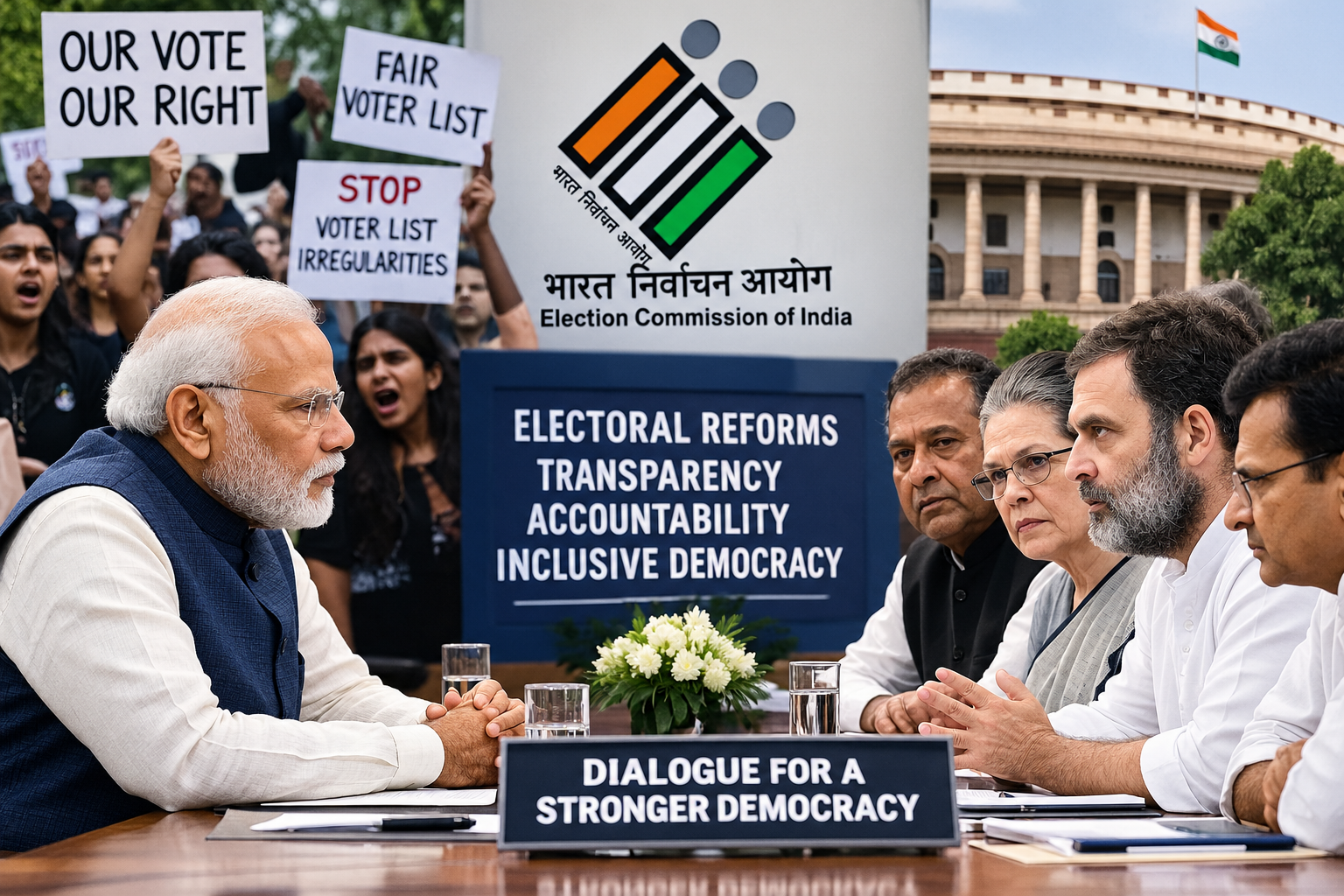
The panel also had Union Home Minister Amit Shah and leader of the opposition Rahul Gandhi on it. But the choice raised controversy with the Congress party, the method, and the ommission of CJI from the panel for making the choice. The Congress party wanted a ruling of the CJI not agreed upon by the government.
It's easy to understand that the government appointed Gyanesh Kumar on the initiative of the Home Minister Amit Shah, whose designs are no secrets and therefore he was given the position with a tacit understanding that he will operate under instructions from the Home Ministry and the plot that was well read by the leader of the opposition Rahul Gandhi who wasn't ever convinced about the working of the EC. Congress lost many close fights such as Haryana and Maharashtra, and gradually, that became a formula for finding ways to help the BJP in elections.
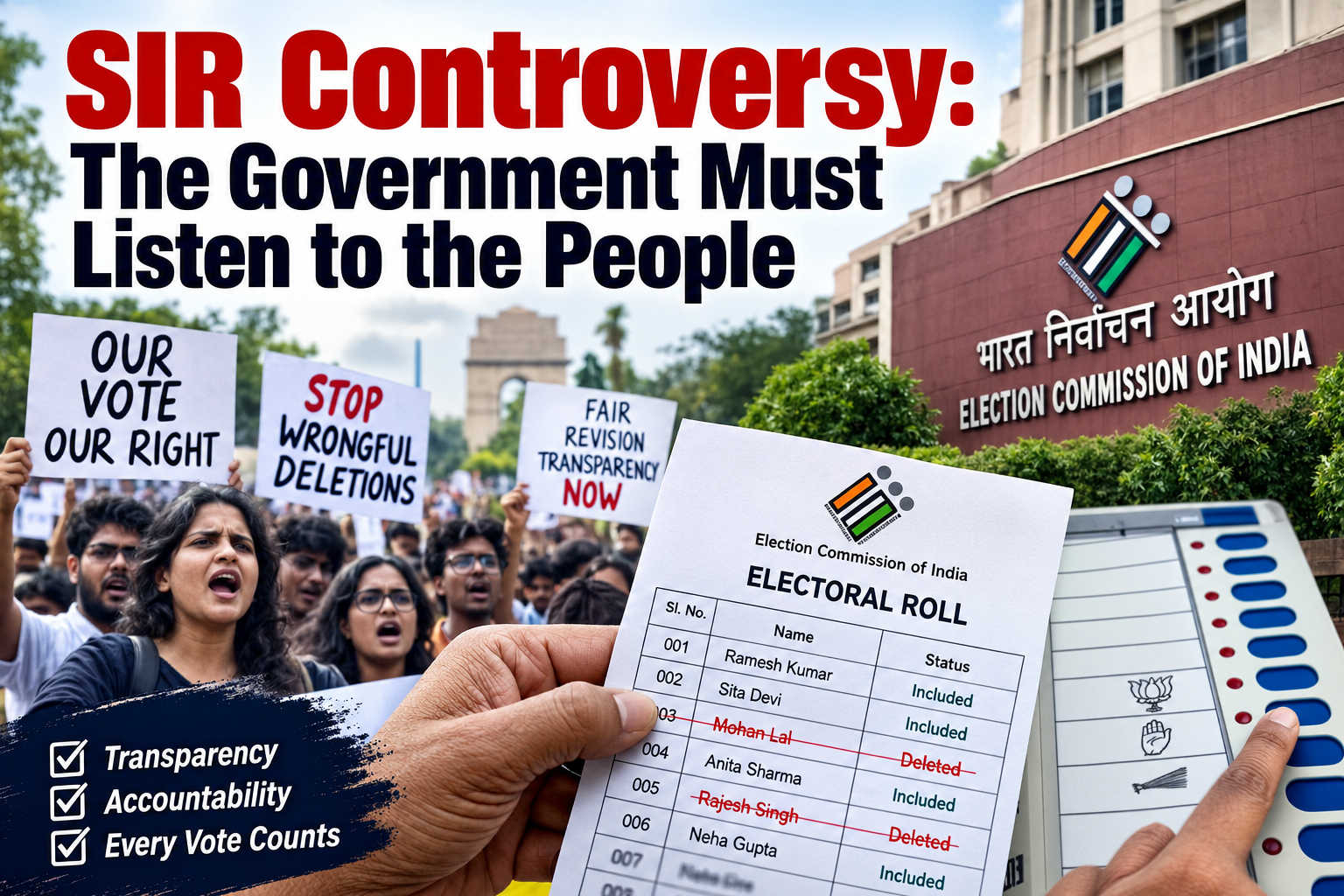
From there, it began the game of vote deletion and addition whatever suited the government and that propelled Rahul Gandhi to look into the dynamics of vote theft apart from a hastily concieved SIR. After the role of ECI became suspect and there seemed something fishy, Rahul Gandhi launched the tirade against EC based on his intensive research, which he brought to the notice of the nation. The EC has been on the backfoot since, and its defense has been more than fragile. The Indian democracy has been turned into a joke with an election commissioner committed to muzzling the voice of the people.
We generally assume that EC is an objective body whose function is to ensure free and fair elections in the country, but after 2014, things changed, and EC began acting as the agent of the centre. This is both ridiculous and sublime because in a democratic setup vote is the most important thing, and if that is tampered with, then the democracy would dwindle to a joke.
Even the last parliamentary elections where the bjp ended on two forty seats despite EC being on its side tells a very disturbing story, and if that's the case then there will be questions on the legitimacy of government.Gyanesh Kumar being loyal to the government is a mockery of the democracy and perhaps its for the first time in the history of Indian democracy that EC is tilting towards the government and its actions are highly questionable. So, there is every reason to suspect ECI.
(Author is an English Professor and known columnist.)









[[comment.comment_text]]