The Meaning of Modi’s Trip to Saudi Arabia
 1 year, 5 months ago
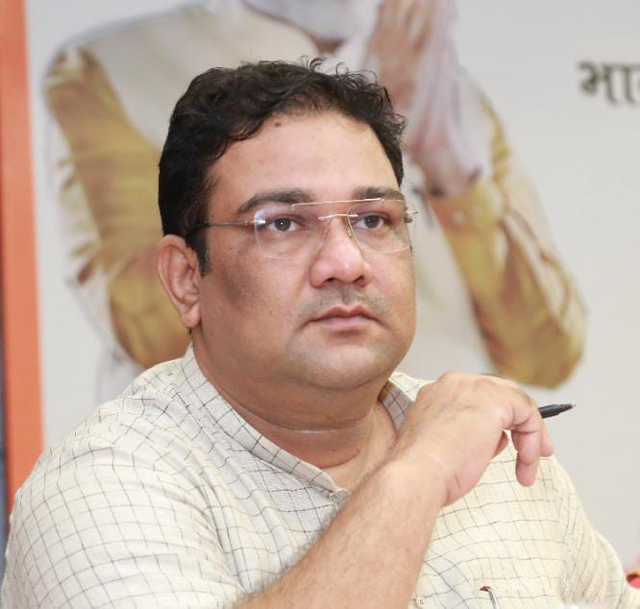
Prof. Jasim Mohammad
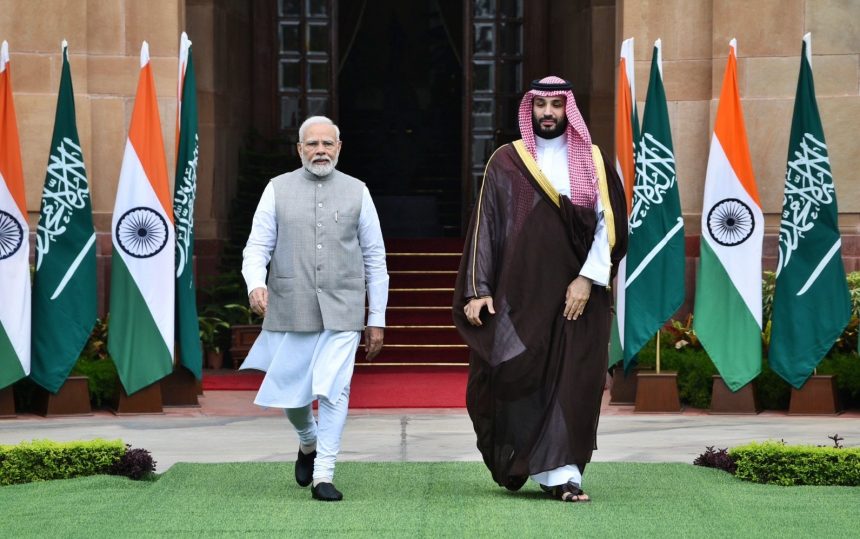
A three-day visit of Prime Minister Narendra Modi to the Kingdom of Saudi Arabia is taking place at a significant moment when India is increasing its stature on the global stage and developing ever-growing bilateral relations with the Gulf region. Beginning April 22, this visit, his third to the Kingdom, is more than symbolic. It reflects India's rising strategic importance in West Asia and its resolve to build deep, multifaceted ties with Riyadh.
The invitation from His Royal Highness Prince Mohammed bin Salman, Crown Prince and Prime Minister of Saudi Arabia, reflects the mutual respect and trust that have grown between these two leaders. This diplomatic exercise is expected to further build on the strong momentum of recent high-level contacts, especially the Crown Prince's State Visit to India in 2023 during the G20 Summit.
India and Saudi Arabia have evolved over a decade into a wide-ranging strategic partnership that has always shown consensus on a number of issues that include counter-terrorism, regional security, energy security, and economic cooperation. A visit by Prime Minister Modi complements and rejuvenates the new direction as well as energy infused into that partnership.
The time of the visit could not have been any better as it coincides with India's current trajectory of leapfrogging into high-tech innovations, infrastructure, and global economic integration. On the other hand, there is Saudi Arabia itself with Vision 2030, which spearheads an intensive ambitious transformation. This confluence of aspiring developmental aspirations of India with the reform agenda of an emergent power provides avenues of collaboration that are new and promising.
Energy Security Concerns
Energy security remains a pillar of the India-Saudi partnership. With India being one of the largest importers of crude oil from the Kingdom, this visit may well lead to more stable and diversified long-term energy arrangements. Not to forget, India's transition to clean energy will also align with Saudi investments in renewables and green hydrogen.
An unlocking of opportunities for Indian businesses, particularly in infrastructure, digital technologies, pharmaceuticals, and agriculture, is expected from the Prime Minister's visit. The number of joint ventures is mushrooming, and Saudi investment in India has been on the rise, indicating a new chapter in bilateral economic relations.
India's dynamic and skilled workforce is a third area of cooperation. Millions of Indians add significant value to the Saudi economy, and this visit could open the doors for better labour agreements, improved working conditions, and upskilling initiatives for the benefit of both.
Defence and Security Cooperation
Strategic cooperation in defence and security has steadily gained traction between India and Saudi Arabia. Joint military exercises to intelligence-sharing mechanisms are a few areas where both countries have moved very high along the road. With the Prime Minister's visit to Riyadh, this cooperation is expected to become even further ingrained with additionally shared concerns like maritime security and counterterrorism.
There will also be considerable focus on education and cultural exchanges. With increasing numbers of Indian students wishing to seek a global education and Saudi Arabia opening up to international education modelsism, new avenues of cooperation in academia and research could be opened.
The visit also plays a part in strengthening people-to-people connectivity. The Indian diaspora in Saudi Arabia, with over two million members, acts as a vibrant bridge of goodwill and friendship. During such visits, Prime Minister Modi's outreach to the diaspora community becomes critical in solidifying its emotional-cultural links.
The other side of this visit certainly has material benefits from the Indian point of view. The reason is to also maintain the continuity of stable energy supply and perhaps open up wider access for Indian exporters and technological firms wanting in the Gulf. This could also help Indian SMEs and startups get in on the digital and economic transformation in Saudi Arabia.
From the perspective of defense, having stronger ties with Riyadh would mean a better security architecture in the Indian Ocean Region. Enhanced defense ties may also lead to co-production ventures and making India 'Make in India' defense manufacturing journey. The two countries have worked together in the field of healthcare and the cooperation has blossomed thus far with the expectation of further expansion.
India has the proven strength in pharmaceuticals, biotechnology, and digital health, with Saudi Arabia being the natural platform for joint ventures and investment in the healthcare sector. Other areas of cooperation, including space and technology, could be drastically upped. Saudi Arabia is now increasing its interest in space exploration and satellite-based services, which fits well with India's capabilities in space technology and cost-effective satellite launches.
There seems to be an avenue for tourism and civil aviation also. With increased connectivity and easier visa procedures, India and Saudi Arabia could experience an influx of business, spiritual, and leisure travel, strengthening economic and cultural connectivity. The political significance of the visit is also telling. India fast engages with Gulf states amid geopolitical uncertainties, remonstrating that it adopts a balanced and multipolar foreign policy. The Prime Minister's visit reaffirms India's commitment to becoming a bridge across the East and West.
This trip reflects the growing diplomatic capabilities of India, alongside its ability to engage with the global powers on equal footing under Modi's leadership and to shape the narrative of constructive engagement, mutual respect, and strategic autonomy. The interests of India and Saudi Arabia in multilateral cooperation extend to forums, such as the G20, BRICS+, and the UN, where their interests converge. An enhanced multilateral cooperation will promote an even more balanced global order, mainly when a few more voices from the South are included. This visit is likely to culminate in other cooperation areas such as cybersecurity, fintech, and artificial intelligence, domains where both countries have ambitious aspirations and complementary strengths.
Attracting Saudi Investment
Saudi Arabia is expected to increase investment in India's infrastructure projects. This visit could open new doors to more agreements to bring in more capital from Saudi Arabia to India's roads, ports, and smart city projects—creating jobs and generating economic growth. Climate cooperation and green technology transfers constitute a key area of engagement. India's own commitment to net-zero emissions dovetails strongly with and adds to the efforts of Saudi Arabia in sustainability and environmental responsibility.
In geopolitical terms, further strengthening of India-Saudi Arabia ties becomes a positive message to the entire landscape of the West Asian region, demonstrating how economic cooperation could translate into peace, prosperity, and mutual development in the region itself.
Promoting People to People Ties
This visit will also give rise to cultural exchanges in arts, literature, cinema, and heritage conservation projects, thereby nurturing better understanding and appreciation of each other's civilizations. The other potential would be in conveying to the Indian business community the message of vast potential existing within Gulf markets. Mega projects of Saudi Arabia, like NEOM, offer opportunities in construction, IT, consultancy, and engineering services to Indian firms.
Mega strategic connectivity corridors: India-Middle East-Europe Economic Corridor (IMEEC)—India stands to gain significantly from such corridors. Saudi Arabia is a crucial link to realize the grand vision of integrated economic growth in trade and so on.
This visit of Prime Minister Modi is very much future-shaping diplomacy. It is the celebration of shared visions, mutual aspirations, and pursuit towards global progress by bilateral synergy. This visit promises much in terms of cementing a foundation that will build upon transforming relationships, not mere transactions. India and Saudi Arabia-two countries with ancient legacies and looking new leaderships-have much to create together for a new model of partnership-trust, respect, and shared prosperity. Prime Minister Modi's upcoming trip is a significant step in that direction.
(Author is Professor in Comparative Literature and Chairman Centre for Narendra Modi Studies)


[[comment.comment_text]]