Cultural and Artistic Reflections of Guru Dutt on Indian Cinema

 1 year, 2 months ago
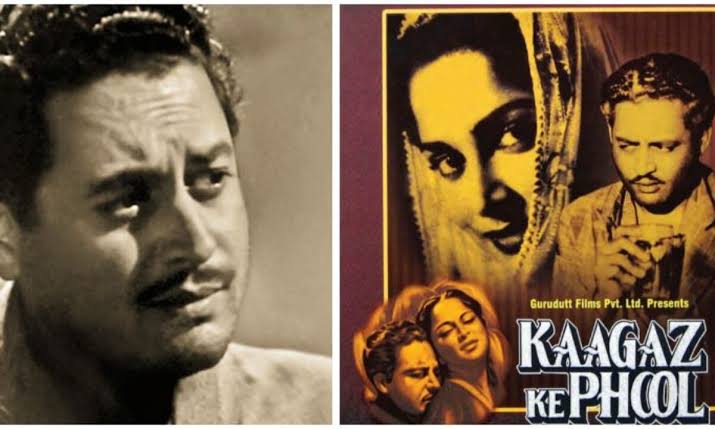
Guru Dutt's profound impact on Indian cinema, particularly through his masterpieces "Pyaasa" and "Kaagaz Ke Phool." The great artist transcended his time, using cinema not just for entertainment but as a powerful medium for social critique and emotional expression. It's clear that Dutt's work continues to resonate deeply, challenging our perceptions of art, society, and the human condition.
Guru Dutt was a masterly artist and visionary whose influence on Indian cinema remains unparalleled. More than a filmmaker, actor, or producer, he was the embodiment of emotion, the echo of unfulfilled love, and the silent poetry of an artist estranged from his own society. His cinema, elevated beyond mere entertainment, served as a mirror reflecting society's deepest truths and often became a voice ahead of its time.
His two timeless masterpieces, Pyaasa (1957) and Kaagaz Ke Phool (1959), stand as searing questions that continue to disturb sensitive hearts today. These films were not just cinematic creations; they were the soul-cry of an artist relentlessly clashing with the social, moral, and cultural hypocrisies of his era. Both films offer a piercing critique of a society that espouses ideals yet shies away from truth and sensitivity.
Kaagaz Ke Phool poignantly tells the story of film director Suresh Sinha, a man who bestows beauty, romance, and dreams upon society, only to be abandoned when he seeks love or compassion in return. The irony is profound: the same society that consumes his art mercilessly destroys the artist's soul. Dutt didn't just attack the film industry here; he exposed the hollow moralities of an entire society that worships outcomes but punishes the hands that create them with neglect, criticism, and loneliness.
In Pyaasa, the protagonist Vijay, a sensitive poet, represents a system that views truth, compassion, and emotion as weaknesses. He loves, writes poetry, and questions, and for this, society deems him foolish, a failure, and irrelevant. This tragic irony highlights a nation that claims to be rooted in culture and values, yet fails to comprehend the hunger of a poet, stealing his verses only to worship him posthumously under the pretense of mourning his own death.
Through these narratives, Guru Dutt's cinema converses with light and shadow, illustrating profound psychological states. In Pyaasa, the gentle rain, old, worn rooms, and the overwhelming loneliness amidst crowds all reflect Vijay’s crumbling self-belief. In Kaagaz Ke Phool, silhouettes, empty studios, and stark streaks of light portray Suresh Sinha’s endless inertia and society’s quiet, pervasive rejection of him, making the visuals an integral part of the emotional commentary.
At the core of both films lies a powerful truth: the very society that champions virtue and morality is often the first to reject those who dare to live by them. It abandons true lovers, turns honest poets into beggars, and shuns artists. Only when these creators are broken does society hide them behind the ritual of homage, obscuring its complicity in their suffering.
This cinematic experiment was unprecedented in India at the time. Guru Dutt didn't merely treat cinema as a medium; he transformed it into a form of resistance. He stepped beyond the screen, leaving us with questions that will remain relevant as long as society continues to avert its eyes from sensitivity, truth, and beauty. His films exposed the deep internal contradictions of a society claiming morality on the surface, yet numb and indulgent underneath.
Guru Dutt's questions still echo today. The artist remains crushed between market demands and moral expectations, and love and sensitivity are often perceived as weaknesses rather than ideals. Filmmakers like Dutt remind us that if cinema doesn't speak truth, it becomes mere decoration. "Pyaasa" and "Kaagaz Ke Phool" ground us, taking us back to the soil where art is born and, tragically, often where it dies, forcing us to question whom we save and whom we lose.
"Kaagaz Ke Phool" reveals the bitter truth that society desires art but not the agony of the artist. A film is celebrated for its entertainment value, but the moment it demands the viewer's soul, they turn away.
This was Dutt's reality: while "Pyaasa" was applauded for its sensitivity, "Kaagaz Ke Phool" was too real, too raw, leading audiences to reject it upon release, proving he was truly ahead of his time.
Artists like Guru Dutt do not scream; they fade quietly, their greatness often recognized only after their demise. He didn't just bring light to cinema; he imbued it with shadows, depth, silence, and soul. He taught us that behind every smiling face lies a weary evening, and behind every glittering screen, a dying lamp. Guru Dutt showed us that the deepest truths often reside in unfinished words, and his sensitivity continues to linger in our souls, a silent testament that people like him don't die—they simply turn into silence.











[[comment.comment_text]]