Cockroach Janta Party founder Abhijeet Dipke to return India!
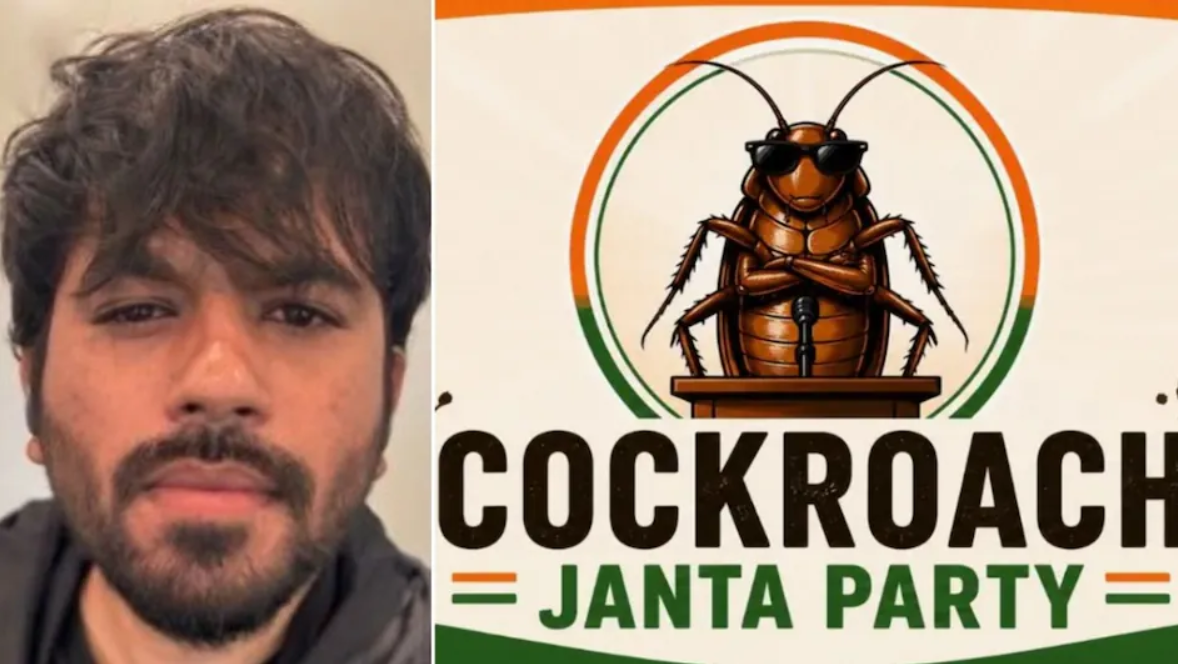

 
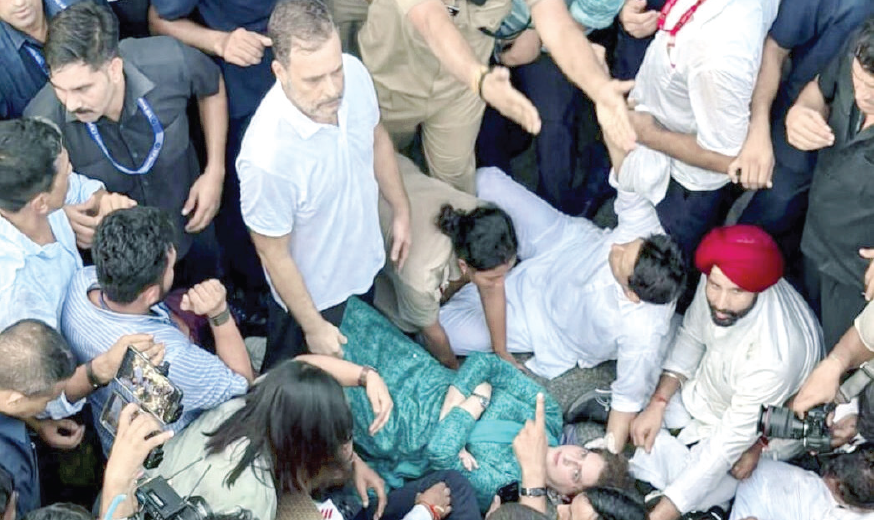
New Delhi, 01 June—Midst mounting trouble of the Modi government, coming back of Cockroach Janta Party founder Abhijeet Dipke to India on June 6 is yet another nail in the NDA’s coffer as he announced to launch a peaceful protest in Delhi, demanding the resignation of Union education minister Dharmendra Pradhan over examination-related lapses and controversies.


In a video released on Instagram, Dipke called on students and supporters to join the campaign, saying exam-related disruptions and controversies had caused anxiety among students and warranted accountability from the government.


"The time has come for all of us to come together, following the path of the Constitution of India, and peacefully raise our voices to demand Dharmendra Pradhan's resignation. If we raise our voices together, they will definitely have to listen to us," : ABHIJEET DIPKE


Dipke said citizens should unite under the Constitution and raise their voices peacefully, adding that collective action would compel authorities to take notice of the demand.


Announcing his travel plans, he urged supporters to gather at the airport upon his arrival in the national capital.


"I have decided that I will arrive in Delhi on Saturday morning, June 6. Please join me at the airport and together we will go to the Parliament Street police station to ask for permission to hold a peaceful protest at Jantar Mantar," he said.


The Cockroach Janta Party, a youth-driven social media movement founded by Dipke, has gained traction since its formation and has attracted support from several public figures.
Omar Abdullah's Kashmir: A Governance Vacuum New Delhi Cannot Afford to Ignore

For five years, that gamble appeared cautiously, incrementally to be paying off. The record voter turnout in the 2024 Assembly elections was nothing short of extraordinary. It was Kashmir's weary, battle-scarred populace sending an unambiguous message: we choose ballots over bullets; now deliver

Saleem Dar   |  2 hours ago

Sheikh Abdullah’s Enduring Imprint on Kashmir’s Political Soul

Sheikh Mohammad Abdullah occupies a singular place in the political history of Jammu and Kashmir. Few leaders anywhere on the subcontinent inspired such affection, provoked such debate, or shaped their society as deeply. Born in 1905 in Soura, Srinagar, he was the product of modest circumstances.

Pt. Ashok Bhan   |  3 hours ago

Beyond Self-Interest: The Challenge of India’s Rising Population

In a nation like India, which has crossed the mark of 1.4 billion people from merely 300 million after Independence, if one were to identify a single underlying factor responsible for one, many, or almost every major problem confronting the country today, the answer would be straightforward and unmistakable: the problem of population explosion.

Prof. Bibha Tripathi   |  3 hours ago

Political Earthquake: Raghav Chadha Leads Seven AAP MPs Switch Over to BJP

The political landscape of India shifted dramatically this Friday, April 24, 2026, as Raghav Chadha, along with six other Aam Aadmi Party (AAP) Rajya Sabha MPs, announced their departure from the party to merge with the Bharatiya Janata Party (BJP).

Dinesh Dubey   |  1 month, 1 week ago

Women's Reservation law in Limbo: Gender Politics or political chicanery

The government logic is simple by adding new seats; the state can carve out a 33% quota for women without unseating current male representatives. It was a win-win situation which the opposition’s short sightedness derailed it. The DMK and the Congress raised the spurious issue of demographic dominance of North which is a frivolously diversionary Politics as the proposal has equal share for each state in the ratio of 50%.

VK Bahuguna   |  1 month, 1 week ago

Record Turnout, Unclear Tide: Bengal’s 92.9% and Tamil Nadu’s 85.1% 2026: Psephologist’s Nightmare

West Bengal’s 92.9 per cent turnout—close to 93 per cent in 152 seats—has been described by authorities as the highest in the state’s electoral history since Independence, surpassing even the 84.72 per cent seen in 2011 when Mamata Banerjee dislodged the 34‑year Left Front regime. The raw energy of crowds, the extension of polling hours, and the visible mobilisation of Bengali‑Hindu, Muslim, and backward‑caste voters alike suggest an electorate that sees this election as more than a routine change of tenants.

Hasnain Naqvi   |  1 month, 1 week ago

Comments

YOU MIGHT ALSO LIKE

View More