Modi’s Record Tenure as Prime Minister

 4 months ago
Does Longevity Guarantee Better Governance?
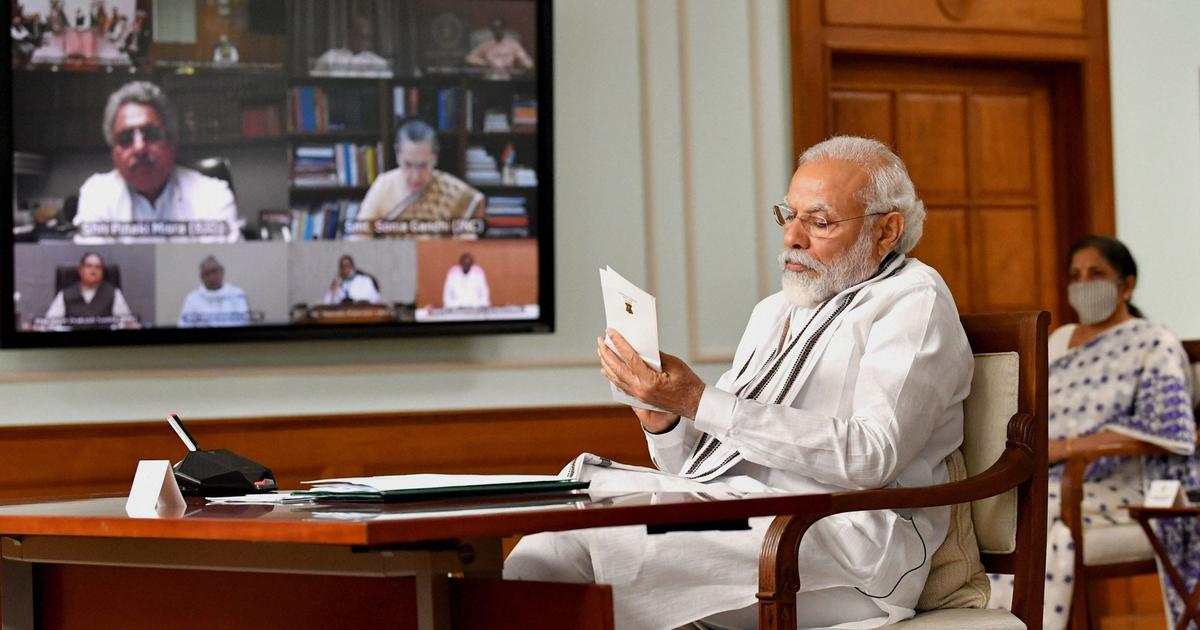
Narendra Modi’s upcoming milestone on June 10, which will mark 4,399 consecutive days in office and surpass Jawaharlal Nehru as India's longest-serving democratically elected leader, raises a fundamental question: does political longevity guarantee effective governance? Supporters view his extended tenure as a testament to political stability, decisive leadership, and sustained popular support. Critics, however, argue that this endurance relies heavily on institutional dominance and aggressive electoral strategies rather than a pure democratic mandate. From an analytical perspective, a twelve-year tenure provides ample data to assess long-term impacts on social cohesion, economic growth, and foreign policy, allowing observers to evaluate whether such political permanence ultimately benefits or strains a developing democracy.
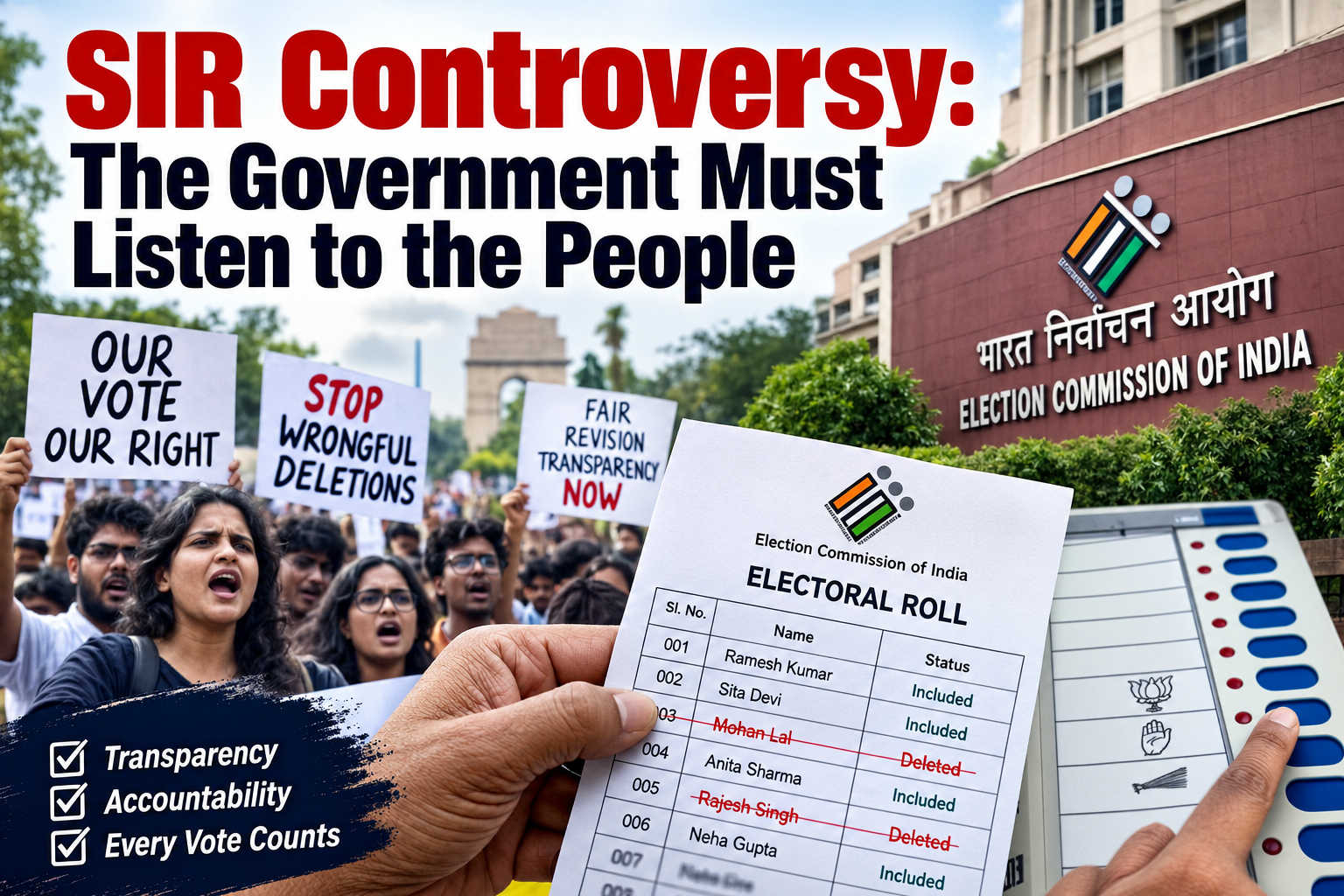
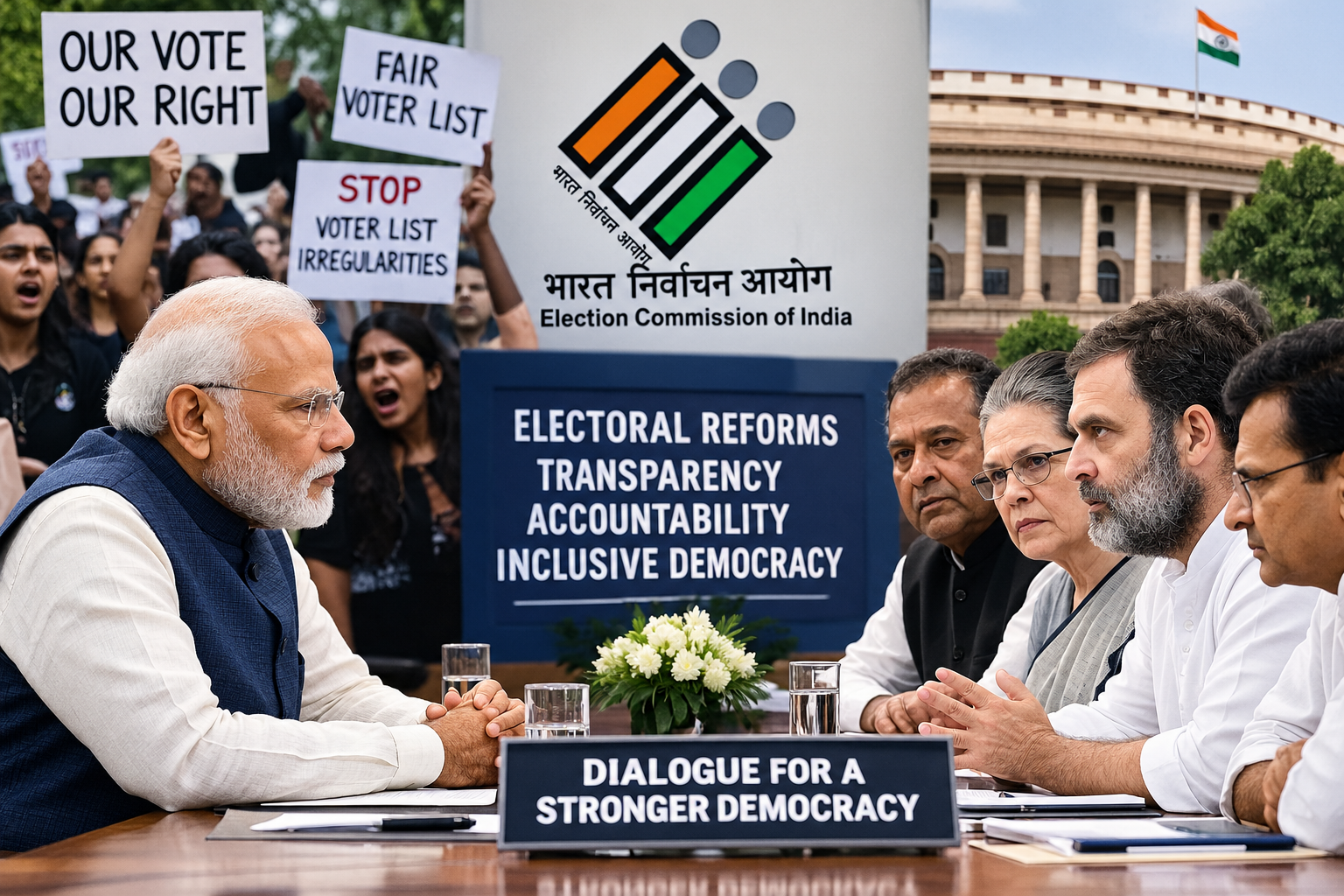
Modi’s extended stint owes much to sustained political dominance, amplified by processes like the Election Commission’s Special Intensive Revision (SIR) of electoral rolls under Chief Election Commissioner Gyanesh Kumar. Launched amid preparations for various polls, the SIR has involved intensive house-to-house verification, resulting in the removal of millions of names—critics allege disproportionately in opposition strongholds—under the guise of cleaning duplicates, deceased voters, and ineligible entries.
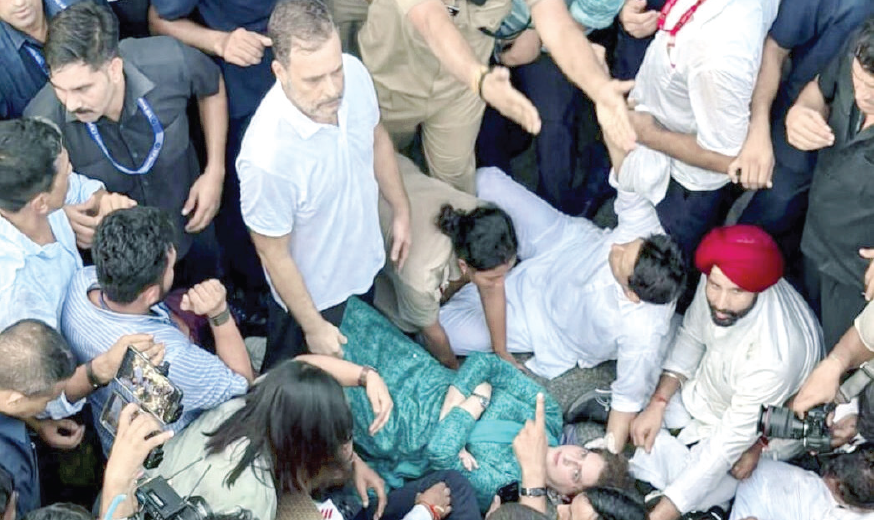
Rahul Gandhi’s “Vote Chori” exposés, backed by press conferences highlighting irregularities such as duplicated entries and suspicious patterns in states like Haryana and Bengaluru, have amplified concerns of systematic disenfranchisement.
These revisions, occurring alongside allegations of institutional alignment, have helped sustain the BJP’s electoral edge. Yet, as opposition voices argue, such mechanisms risk tilting the playing field. Longevity achieved through refined voter management and selective enforcement does not equate to popular legitimacy or governance success. It renders the record immaterial when weighed against outcomes.
Economic Mirage: From Promise to Precarity
Modi inherited a recovering economy post-2014. What followed were disruptive experiments. Demonetization in 2016 crippled the informal sector with minimal recovery of black money. GST rollout, while structurally necessary, was marred by poor planning, compliance burdens on small enterprises, and revenue shortfalls flagged by auditors. Claims of lifting millions from poverty coexist uneasily with persistent free rations for 80 crore people and youth unemployment at historic levels.
Recent years have compounded distress. Rising inflation, fueled by West Asia conflicts and oil price volatility, has eroded household budgets. All-time high unemployment persists despite “reform” rhetoric. Education scandals—repeated NEET question paper leaks in recent cycles, forcing cancellations and re-exams affecting lakhs of aspirants, alongside the CBSE “On-Screen Marking (OSM) ” fiasco—have shattered student confidence and exposed systemic failures in a critical sector.
Cronyism has deepened inequality. As observers noted, a nexus of political and business elites, particularly Gujarati-origin conglomerates, has shaped policy to favor select players in infrastructure, media, and resources. Public assets appear channeled disproportionately, while per capita gains lag behind headline GDP figures. The “Gujarat Model” nationalized has delivered segregation and elitism more visibly than broad-based dynamism.
Social Fractures and Institutional Decay
Social cohesion has frayed under majoritarian assertions. Communal incidents, lynchings, and hate rhetoric have risen, with the state often perceived as partisan. The Ram Mandir and Article 370 moves delivered symbolic victories for the base but alienated minorities and strained federal pluralism. Manipur’s ethnic violence, unresolved inquiries, and selective use of laws like UAPA against dissenters signal shrinking civic space.
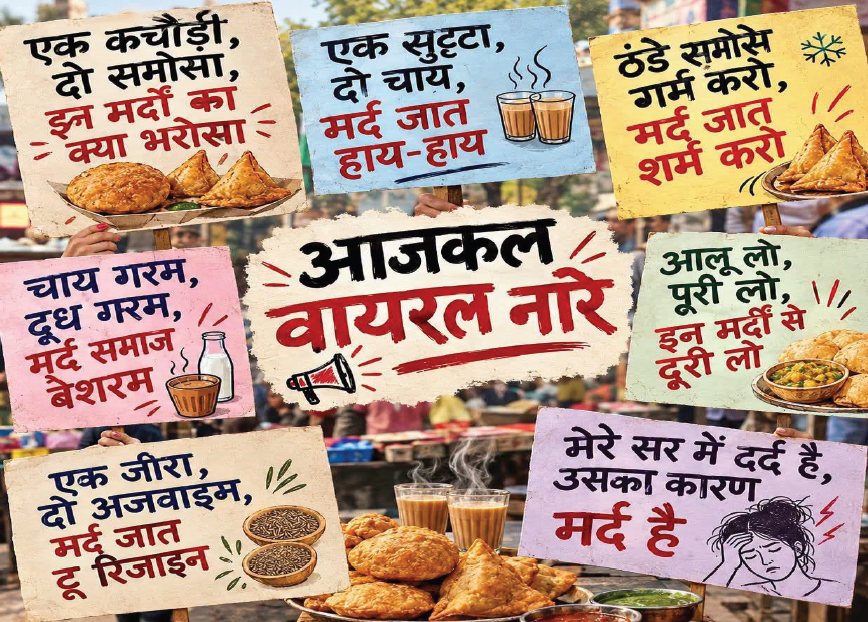
The recent “Cockroach Janta Party” mobilization at Jantar Mantar—sparked by a Chief Justice’s remarks likening certain youth critics to “cockroaches and parasites”—reflects deep youth disillusionment with governance failures, particularly in education and employment. What began as satire has channeled widespread anger into visible protest.
Institutions have eroded: media largely compliant, investigative agencies selective, data suppression on key metrics like consumption and unemployment, and opaque funds like PM CARES. Electoral bonds, struck down by the Supreme Court, epitomized funding opacity.
Foreign Policy: Optics Over Substance
Modi’s “personalized” diplomacy—hugs and summits—has yielded photo-ops but limited strategic depth. SAARC remains collapsed; BRICS ineffective amid internal divisions, especially over West Asia. India’s isolation in parts of the Global South has grown. The government’s perceived “surrender” in the US trade deal drew farmer protests and opposition accusations of compromising sovereignty for market access.
Modi’s visit to Israel mere days before US-Israeli strikes on Iran in early 2026 drew backlash for signaling alignment at a sensitive juncture, complicating India’s traditional balancing act and energy interests.
Post-Pahalgam terror attack and Operation Sindoor demonstrated military response, yet broader security challenges, including Pakistan-backed threats and border tensions, persist without lasting resolution. National security often serves electoral theater more than enduring strategy.
A Disaster Foretold
Dr. Manmohan Singh’s prophecy that Modi’s premiership would prove disastrous has materialized in regression across fronts. India slides in global indices on hunger, press freedom, and democracy. COVID mismanagement, militarized nationalism, and centralization have not built resilient institutions or inclusive growth. The “naked emperor” of rhetoric presides over a polarized, unequal, and less pluralistic nation.
Longevity in itself is no milestone. As India confronts its crossroads, the imperative is clear: reclaim constitutional values, restore institutional integrity, and prioritize the lived realities of 140 crore citizens over curated spectacles. Twelve years prove that endurance without equity is not leadership—it is drift. The country deserves better.
(Mr. Hasnain Naqvi is a former member of the history faculty at St. Xavier’s College , Mumbai. Views are personal.)

[[comment.comment_text]]