12 Days War, Three Actors, and Three Winners!

 1 year, 3 months ago
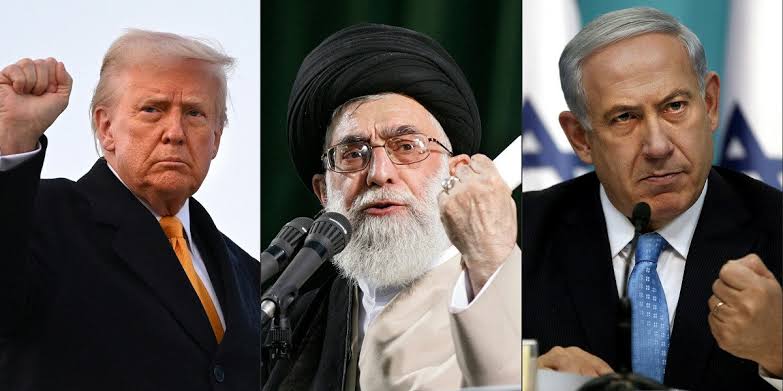
The recent 12-day conflict between Iran and Israel, marked by the unexpected and significant intervention of the United States, has concluded with a ceasefire, bringing a fragile calm to the volatile Middle East. This intense period saw the US launch "Operation Midnight Hammer," bombing three Iranian nuclear sites, followed by retaliatory Iranian missile strikes on Israeli cities and, notably, a precisely-warned attack on the US's Al Udeid air base in Qatar. The swift de-escalation, largely orchestrated by Donald Trump, allowed all three principal actors to claim a strategic victory in their respective domestic narratives.
The United States emerged from the conflict having demonstrated significant military prowess and a renewed commitment to its allies. Initially hesitant to join the Iran-Israel conflict, the Trump administration's decision to strike Iran's nuclear facilities aimed to degrade Tehran's nuclear capabilities. Despite initial assessments varying on the extent of the damage, the US's actions reinforced its deterrent posture. Crucially, the US sustained no casualties during the conflict, particularly after Iran's pre-strike warning to Qatar, allowing Trump to portray himself as a strong leader who achieved peace while avoiding a prolonged engagement, a stance consistent with his previous criticisms of "forever wars."
Israel, for its part, gained substantially by establishing its air superiority against Iran and inflicting significant damage on Tehran's military and intelligence infrastructure. Prior to the US's direct involvement, Israeli forces had already struck nuclear and military targets, neutralized air defenses, and assassinated key figures in Iran's Islamic Revolutionary Guard Corps. However, Israel's most significant gain was the overt and decisive participation of the United States. The US airstrikes in Iran unequivocally signaled Washington's firm solidarity with Tel Aviv, boosting Israel's geopolitical standing and providing a timely domestic advantage for Prime Minister Benjamin Netanyahu as he heads towards upcoming elections.
Iran, despite facing the formidable military might of the US, managed to project an image of "resistance" and defiance. Forced to retaliate against the world's most powerful nation without triggering a full-scale war, Tehran chose the Al Udeid Air Base in Qatar as its target, strategically selecting it for its operational significance to "Operation Midnight Hammer" and Qatar's friendly ties with Iran. The pivotal aspect of Iran's response was the advance warning provided, which allowed the US to evacuate the area and ensure no casualties. This calculated move enabled Iran to "save face" domestically and demonstrate its capacity to strike back, while simultaneously providing a crucial "exit ramp" from further escalation, thereby bolstering its narrative of standing strong against powerful adversaries.








[[comment.comment_text]]