Budget 2024-2025: A Major Push for Women, Children, and Economic Growth

 1 year, 8 months ago
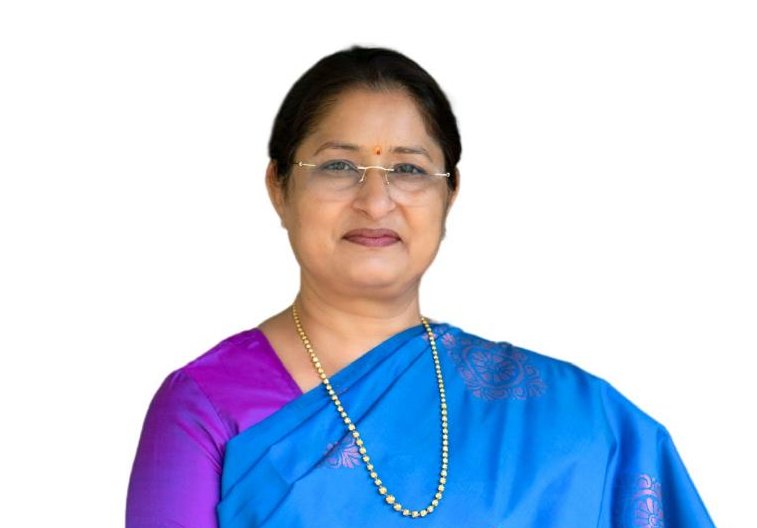
Union Minister for Women and Child Development, Annapurna Devi, hailed the Union Budget 2024 as a transformative step towards development, emphasizing its role in fulfilling the vision of a "Viksit Bharat"
Sudesh Dogra
New Delhi: Union Minister for Women and Child Development, Annapurna Devi, hailed the Union Budget 2024 as a transformative step towards development, emphasizing its role in fulfilling the vision of a "Viksit Bharat" under the leadership of Prime Minister Narendra Modi. She asserted that the budget would provide new momentum to the country’s growth trajectory and accelerate efforts to achieve economic self-reliance.
The Union Budget has introduced revised nutrition standards aimed at eradicating malnutrition among women and children. Smt. Annapurna Devi termed this a significant step in the direction of ensuring better health outcomes and reducing nutritional deficiencies across the country. The revised norms are expected to enhance the impact of government nutrition programs and contribute to a healthier future for the next generation.
Recognizing the need for financial inclusion and economic empowerment of women, the budget has allocated special provisions for first-time women entrepreneurs. The announcement of term loans up to Rs. 2 crore for five lakh women entrepreneurs, including those from Scheduled Castes (SCs) and Scheduled Tribes (STs), is expected to provide a substantial boost to female-led businesses and startups. This initiative aligns with the government’s broader vision of fostering self-reliance and economic participation among women.
The budget has been designed to cater to multiple sections of society, including children, youth, farmers, and particularly the middle class and salaried individuals. The minister highlighted that this budget is dedicated to uplifting these crucial segments of the population by providing necessary financial and policy support.
One of the most significant announcements in the budget is the complete exemption of income tax for individuals earning up to Rs. 12 lakh under the new tax regime. Smt. Annapurna Devi described this as a "historic and revolutionary step" that will provide much-needed relief to middle-class families and stimulate economic activity by increasing disposable income.
Ensuring food security remains a top priority for the government, with several ongoing initiatives aimed at making essential nutrition accessible to all citizens. The budget underscores key government schemes that provide subsidized food grains and nutritional support, particularly targeting newborns and mothers.
POSHAN Abhiyaan: A Mission for Better Nutrition
The government has reiterated its commitment to the POSHAN Abhiyaan, launched in 2018, to improve the nutritional status of children, adolescent girls, pregnant women, and lactating mothers. With a steadily increasing fund allocation and rising beneficiary numbers, the initiative continues to make a significant impact on national health indicators.
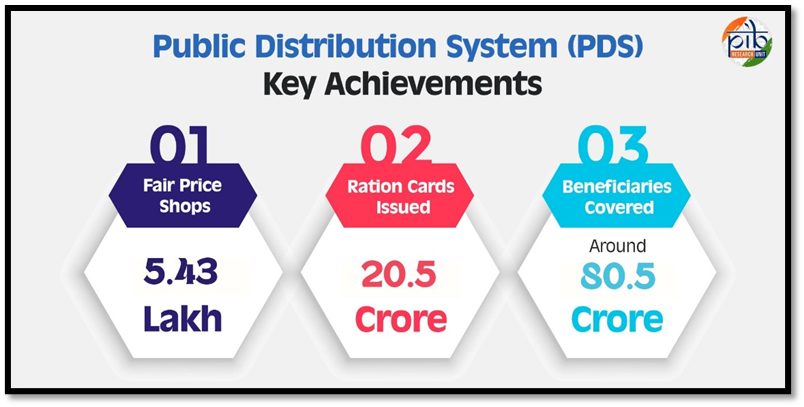
Public Distribution System (PDS):
- 100% digitization of ration cards, covering over 80.5 crore beneficiaries.
- 99.8% Aadhaar seeding of ration cards for better transparency.
- Over 97% biometric authentication in foodgrain distribution.
PM POSHAN Scheme:
- A five-year scheme with a financial outlay of Rs. 1,30,794.90 crore, aimed at providing nutritious meals to school children to improve enrollment and retention rates.
PM Formalization of Micro Food Processing Enterprises Scheme (PMFME):
- Investment of Rs. 10,000 crore to upgrade food processing units and create employment opportunities.
Production Linked Incentive Scheme for Food Processing Industry (PLISFPI):
- A Rs. 10,900 crore scheme to promote Indian food brands in global markets, creating jobs and boosting exports.
Pradhan Mantri Garib Kalyan Anna Yojana (PMGKAY):
- Continuation of free food grain distribution to 81.35 crore beneficiaries for the next five years, ensuring affordability and accessibility for the poor.
With substantial allocations for social welfare, economic growth, and food security, the Union Budget 2024 sets the stage for a more inclusive and progressive India. The initiatives announced will not only empower women and children but also strengthen the overall economic framework by fostering entrepreneurship, employment, and improved living standards across the nation.






[[comment.comment_text]]