Let’s be Prepared for Flash Floods, Landslides, and Glacial Outbursts!

 1 year, 3 months ago
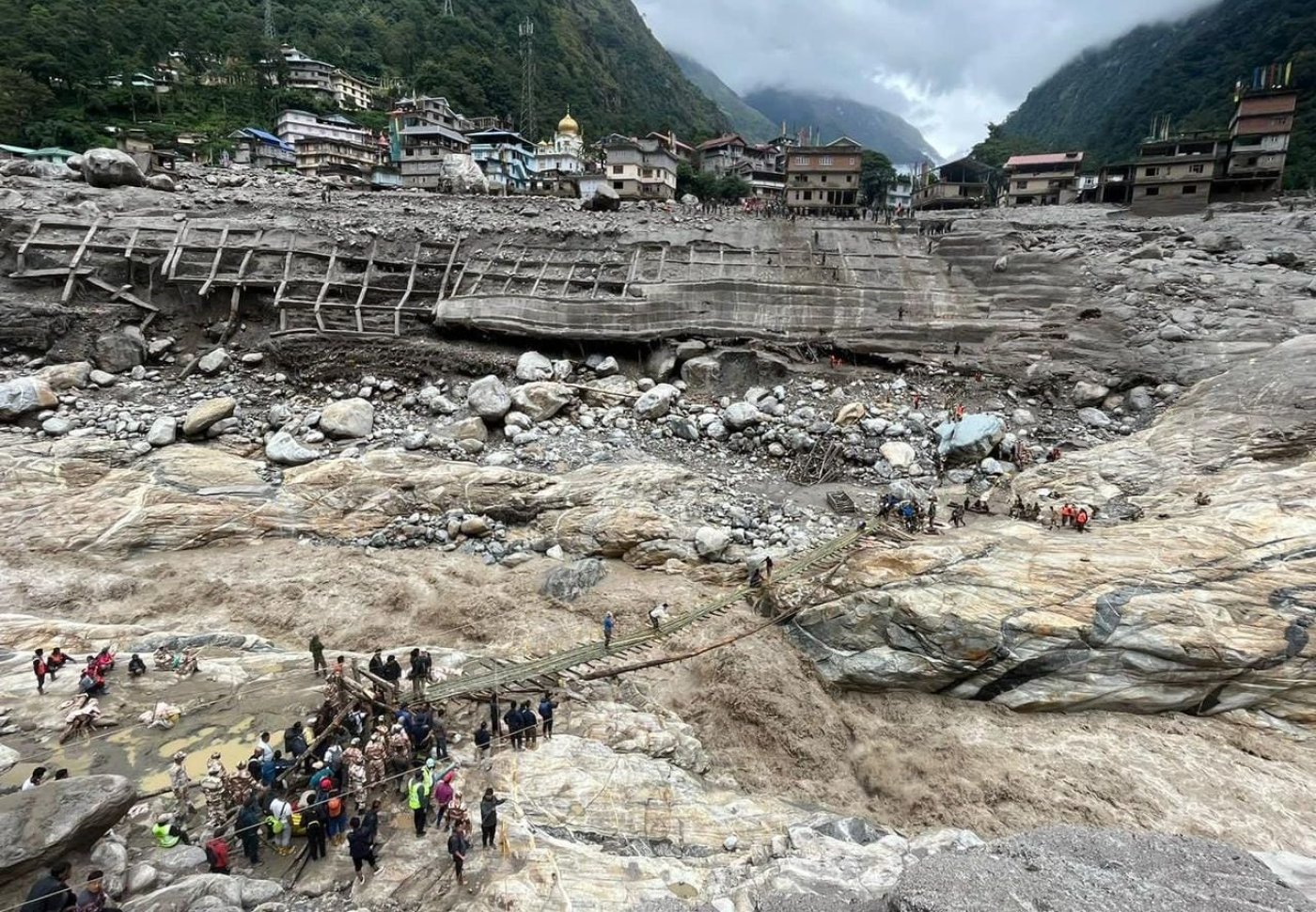
The Hindu Kush Himalaya (HKH) region faces a critical monsoon season this year, with experts from the International Centre for Integrated Mountain Development (ICIMOD) warning of a high risk of flash floods, landslides, and glacial lake outburst floods (GLOFs). This elevated threat is directly linked to forecasts of above-average rainfall between June and September, coupled with anticipated temperatures up to two degrees Celsius higher than normal. Such conditions are expected to amplify the severity and frequency of water-related disasters across the mountainous terrain.
Rising temperatures are a significant concern, as they will accelerate the melting of glaciers and snow, leading to short-term increases in river flows and a heightened risk of GLOFs. This rapid melting also has a detrimental long-term effect: by reducing snow build-up, it threatens the consistent water supply crucial for millions of people living downstream. Given the HKH region's extreme sensitivity to the monsoon, particularly systems originating from the Indian Ocean and southern Asia, these climatic shifts pose a substantial challenge to the region's primary water source.
The monsoon season, from June to September, is the lifeblood of the HKH region, replenishing river systems that sustain nearly two billion people. However, the escalating impacts of climate change are intensifying the dangers associated with this crucial period. A stark illustration of this trend is the fact that over 72.5% of flood events in the region between 1980 and 2024 occurred during the monsoon, underscoring the increasing vulnerability of the area to water-related catastrophes including floods, landslides, storms, heatwaves, wildfires, droughts, and GLOFs.
A senior advisor at ICIMOD, Arun Bhakta, has confirmed the consensus among meteorological agencies predicting a hotter monsoon across the entire HKH, with a trend toward higher-than-normal rainfall in most areas. He emphasized that these elevated temperatures and more extreme rainfall patterns directly increase the risk of water-related disasters like floods, landslides, and debris flows, with potential long-term repercussions for glaciers, snow, and frozen ground.
In light of the region's extremely high exposure and risks, there is urgent need for comprehensive action. A widespread adoption of impact-based early warning systems and increased governmental and donor support to bolster disaster preparedness across the HKH is recommended. Such proactive measures are deemed essential to mitigate the devastating consequences of the anticipated extreme weather events and safeguard the vulnerable communities within the region.







[[comment.comment_text]]