Indian Railways Tightens Tatkal Ticket Booking Norms

 1 year, 3 months ago
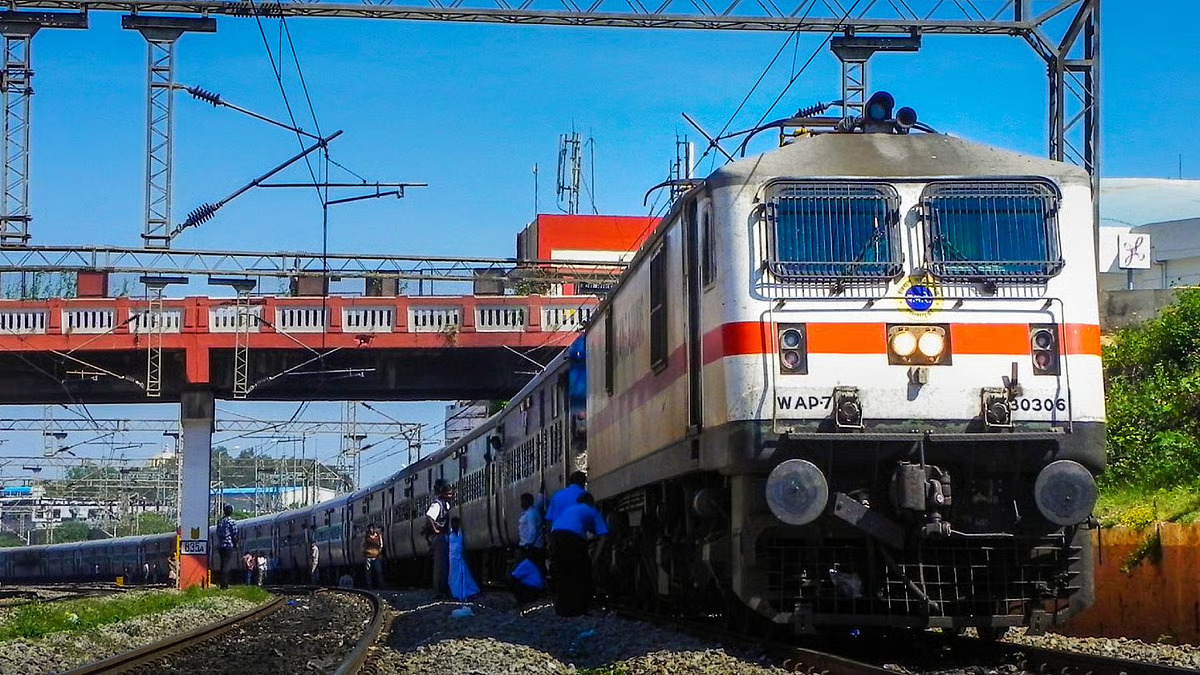
In a major overhaul of its Tatkal booking system, Indian Railways has announced a series of reforms aimed at ensuring that the benefit of urgent train travel is accessible to genuine, individual passengers rather than being cornered by touts and automated bots.
In a move to curb misuse, over 2.5 crore suspicious IRCTC user IDs—suspected of employing bot software for mass ticket booking—have been blocked in the last six months. These accounts were identified as part of a sweeping crackdown on software-aided ticket scalping.
Starting July 1, 2025, Aadhaar verification will become mandatory for booking Tatkal e-tickets through the IRCTC app and website. By July 15, an OTP-based Aadhaar authentication system will be introduced to further enhance user verification and prevent automated logins.
Priority for Individual Users
To restore fairness in ticket availability, the first 30 minutes of Tatkal booking will be reserved exclusively for individual online users and those booking tickets in person at railway Passenger Reservation System (PRS) counters.
Tatkal bookings for AC classes will open at 10:00 AM, and for Non-AC classes at 11:00 AM. During the first half-hour, only individual users—either online or at ticket counters—will be allowed to book. Travel agents and authorised booking agencies will be allowed to access the system only after this window: from 10:30 AM for AC and 11:30 AM for Non-AC Tatkal tickets.
For those booking at counters, an additional layer of authentication is being introduced. Starting July 15, mobile number verification via OTP will be mandatory before a Tatkal ticket is issued.
Options for Non-Aadhaar Users
Passengers who do not possess an Aadhaar number will still be able to book Tatkal tickets at PRS counters or through authorised travel agents, ensuring that the new measures do not completely exclude any segment of travelers.
Bot-Blocking Measures Strengthened
The Railway Ministry has also enhanced its cyber monitoring systems to prevent non-human entities from unfairly booking tickets. The reforms are designed to slow down the speed advantage gained by bots and restore parity for real users.
A senior official of the Indian Railways said the reforms are aimed at "restoring fairness and transparency in Tatkal ticketing and ensuring timely availability of train seats to genuine passengers during emergencies."
The Tatkal scheme, introduced for last-minute travelers, had long been plagued by allegations of manipulation by touts and software-driven ticketing agents. These new measures are expected to create a more equitable and secure booking environment, reinforcing Indian Railways’ commitment to passenger service and trust.






[[comment.comment_text]]