Fighting Delhi NCR pollution with Arahas innovative solution

 2 years, 11 months ago

Devesh Dubey
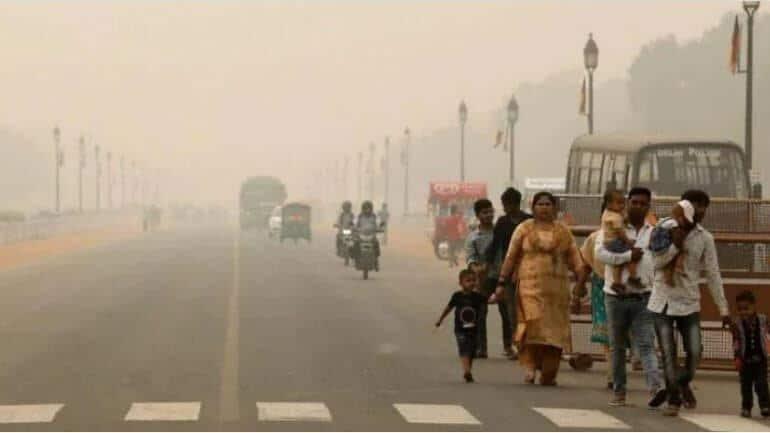
Delhi has grappled with severe air pollution for years, exacerbated during the winter months when neighbouring states burn crop residue (Parali) that combines with Delhi's already deteriorated air quality. India's premier innovation institute, Arahas has came forward with unique, life changing solution to face this hazardous problem.
In it's recent study the environmental action group says, " It is high time for governments be it Central or states to come up with a strategy and work collaboratively with communities and various organisations to combat air pollution in Delhi-NCR.
The story doesn't end here. Now the Supreme court jumped in the whole mess. On November 8, the apex court bluntly warned the states to immediately stop stubble burning any how. The court said, " This is complete murder of health of people. We can't let people die. Delhi can't be made to go through this year after year. We want to stop all this stubble burning. We don't care how you governments do it. It is your business how to do it. It must stop. You have to stop it, whether by forceful action, sometimes by incentives, sometimes by other actions, but you have to stop it immediately."
Reacting on the SC directives, the CEO of the Arahas Saurabh Rai says, " If we want to survive and give future generations a healthy life, then must have to contain this suicidal pollution. We must find lasting solutions to stubble burning." Renowned environmentalist Rai suggested, government must come forward with clear cut roadmap for combating this choking stubble burning issue. It should provide adequate incentives to the farmers who avoid burning stubble burning. Government must also declare minimum/maximum support prices for crop residues selling. In case govt comes forward with transparent policy, it will give boost to it's fight against pollution."
Arahas innovative study doesn't stop here. In suggestive way, it advocates for encouraging farmers to adopt alternative method to manage crops residues such as crop diversification. Paddy cultivation in Punjab and Haryana must be phased out to be substituted with other crops. Centre should explore giving MSP for alternative crops rather than to paddy.
With toxic air keeper Delhi-NCR in a choke held, there is an utmost urgency to tackle pollution at war footing level. For this wide spread awareness campaign should be launched without any further delay. Robust waste management infrastructure should be developed as early as possible. To tackle judiciously with the alarming situations, communities, civil societies and industries must be involved in the business of waste management. They should be encouraged to set up waste management plants and given autonomous charge of clearing unwanted garbage. Supreme court Judge Sanjay Kishan Kaul has rightly said, " I saw widespread stubble burning on both sides of the roads in Punjab and Haryana recently and Delhi's pollution problem could not be solved without stopping the fires."
Whenever winter comes, Delhi's heart beat battles for clean air. Frankly speaking, Indian capital's sir pollution battle is more than two decades old. It has witnessed several interventions from the Supreme court and successive governments.The question is why the problem remains unresolved. So let us come forward to involve communities and industries together to deal with stubble burning issue.
Writer is a sustainability enthusiast and CCO, Arahas





[[comment.comment_text]]