Community radio is a powerful medium for education and development

 2 years, 4 months ago
Community Radio: Potential and Capacity
Sanjay Kumar pandey
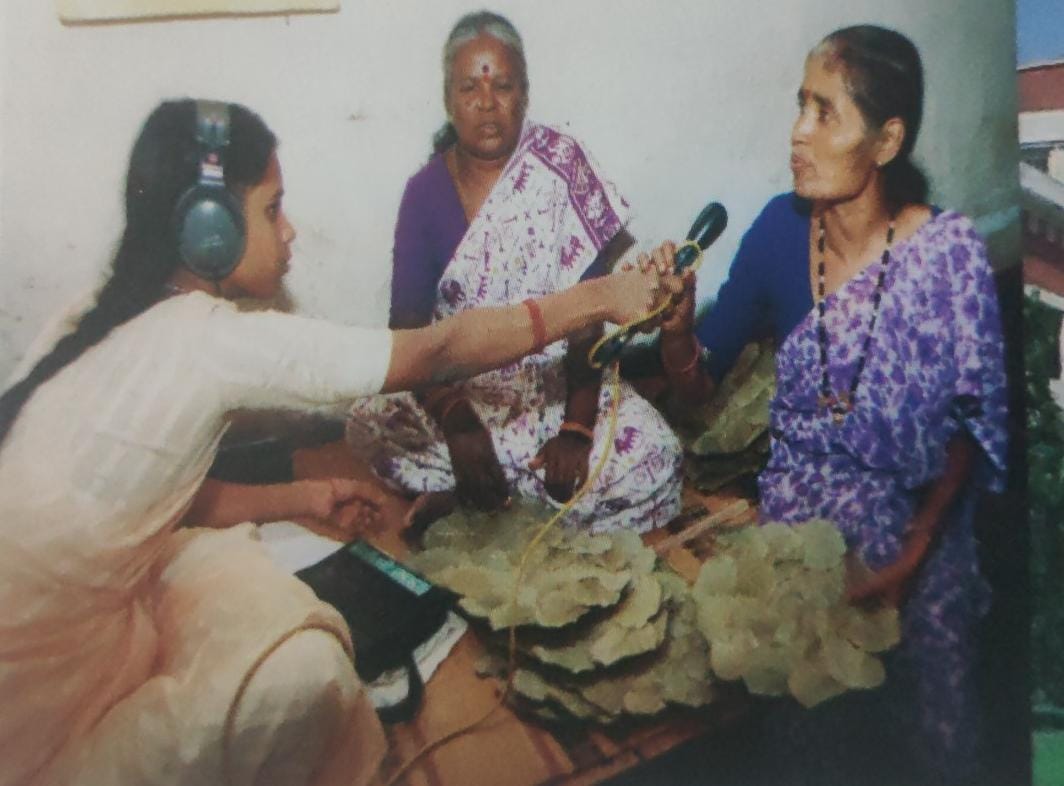
Despite rapid technological changes in telecommunications, radio broadcasting remains the cheapest medium for disseminating information, catering equally to the needs of both the rich and poor, rural and urban populations, reaching even the most remote parts of the country. It plays a significant role in the socio-economic and cultural development of the nation. Among various forms of radio broadcasting, community radio holds a special place. Due to its focus on local concerns and aspirations and its interactive programming nature, community radio serves as a powerful medium for education and development. Experiences from several developing countries have shown the tremendous potential of community radio in strengthening grassroots democracy. In India, the public service broadcaster All India Radio (AIR) has been instrumental in providing relevant information to people in remote areas for decades. The country's first community radio station began operations at Anna University, Chennai, on February 1, 2004. Since then, many stations have been established across the nation. These stations have significantly contributed to education, information dissemination,entertainment, and public awareness. The government envisioned community radio as a tool to enhance public participation in development processes, build capacity through education, particularly in rural areas, and provide opportunities for people to hone their skills and showcase their creative talents. It aimed to preserve and promote traditional knowledge, skills, and cultures, support local languages, arts, crafts, and traditions, and provide timely information on agriculture, social welfare, education, health, and the environment to rural populations. Additionally, community radio sought to create rural networks for cottage and village industries and strengthen Panchayati Raj institutions. Experience has shown that to achieve these objectives, government policy should aim for the rapid proliferation of community radio stations across the country. While work in this direction is ongoing at a rapid pace, several complex challenges remain that need immediate attention. The use of radio for community development and enhancement is an old idea in India. With the advent of AIR in 1934, "big broadcasting" took charge. Despite bold efforts to listen to communities through the spread and discussion platforms of 'regional' and 'local' stations and rural broadcasting, Indian broadcasting has remained centralized. Radio is a versatile medium and, due to battery-operated transistors, is highly suitable for community broadcasting. Unlike television, it does not demand visual attention but requires much more imagination. In community radio programs, local youth can easily be trained to prepare reporting programs, and it serves as a studio for farmers, village women, children, and local officials to script content reflecting their lives and livelihoods. In early 2003, the government announced guidelines for community radio licensing, inviting applications from educational institutions. The coverage area is very small, and the approvals required from the Information & Broadcasting, Home, and Defense Ministries are cumbersome. A more streamlined approach would better serve national interests. Fortunately, another committee appointed to review the matter has recommended a more liberal regulatory framework, with licensees sharing 4% of the revenue earned with the government instead of any license fee. News and current affairs and advertisements will be allowed. While this is a step in the right direction, the mandate and content may remain more commercial than community-oriented. Local radio stations established since the early 1970s, which were set up under Akashvani a few years ago, were intended for local communities, though most transmitters covered one or more districts. Unfortunately, these stations had only limited and temporary budget and personnel provisions, resulting in most original units becoming regular relay stations. They need to be rescued from this plight. Some of these and other regional stations have, in the meantime, done well to allocate broadcast time to approved NGOs and community-based groups for half an hour or more per week.











[[comment.comment_text]]