Tarun Tejpal Guilty in 2013 Goa Case: High Court Sets Aside Acquittal, Awards 10-Year Sentence
 2 months, 2 weeks ago
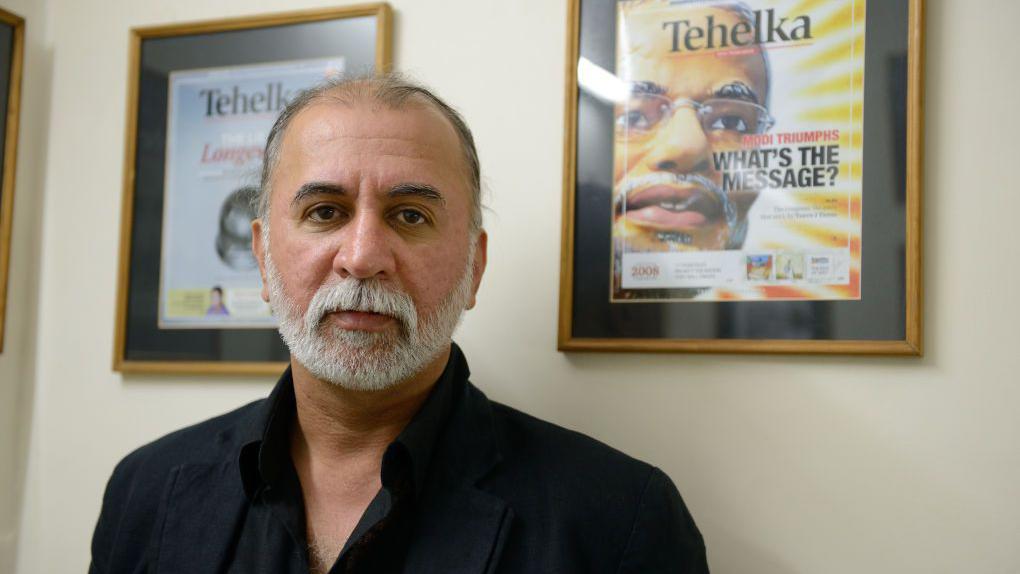
In a significant judgment with far-reaching implications for workplace safety and accountability, the Goa Bench of the Bombay High Court on 6 August 2026 set aside the 2021 acquittal of Tarun Tejpal by the Sessions Court in Goa. The Court convicted the former Tehelka editor-in-chief in the 2013 sexual assault case and sentenced him to 10 years’ rigorous imprisonment, along with a fine of ₹10 lakh. He has been granted two weeks’ time to surrender.
The High Court found the trial court’s approach to be legally flawed, particularly criticising its reliance on the survivor’s “conduct” as unsustainable in law.
Background: The 2013 Incident
The case originates from allegations made by a junior journalist during Tehelka’s annual event in Goa in November 2013. The complainant alleged that she was sexually assaulted by Tejpal on two occasions inside a hotel elevator. The acts were stated to be non-consensual and carried out through force, accompanied by a clear abuse of professional authority.
Given the accused’s senior position, the matter raised serious concerns regarding power imbalance, consent, and workplace vulnerability.
An FIR was registered, and charges were framed under provisions of the Indian Penal Code, 1860 (IPC). Since the alleged offences occurred prior to 1 July 2024, the case continues to be governed by the IPC, notwithstanding the enactment of the Bharatiya Nyaya Sanhita, 2023 (BNS).
Trial Court Acquittal (2021)
In May 2021, the Sessions Court at Mapusa acquitted Tejpal, granting him the benefit of doubt. The court relied on perceived inconsistencies in the survivor’s testimony, delay in lodging the FIR, and absence of medical corroboration.
Significantly, the judgment placed emphasis on the survivor’s conduct, including email exchanges and post-incident behaviour. This reasoning drew widespread criticism for appearing to rely on stereotypical notions of how a victim is expected to behave, rather than focusing on the central issue of consent.
High Court’s Reversal: Key Findings
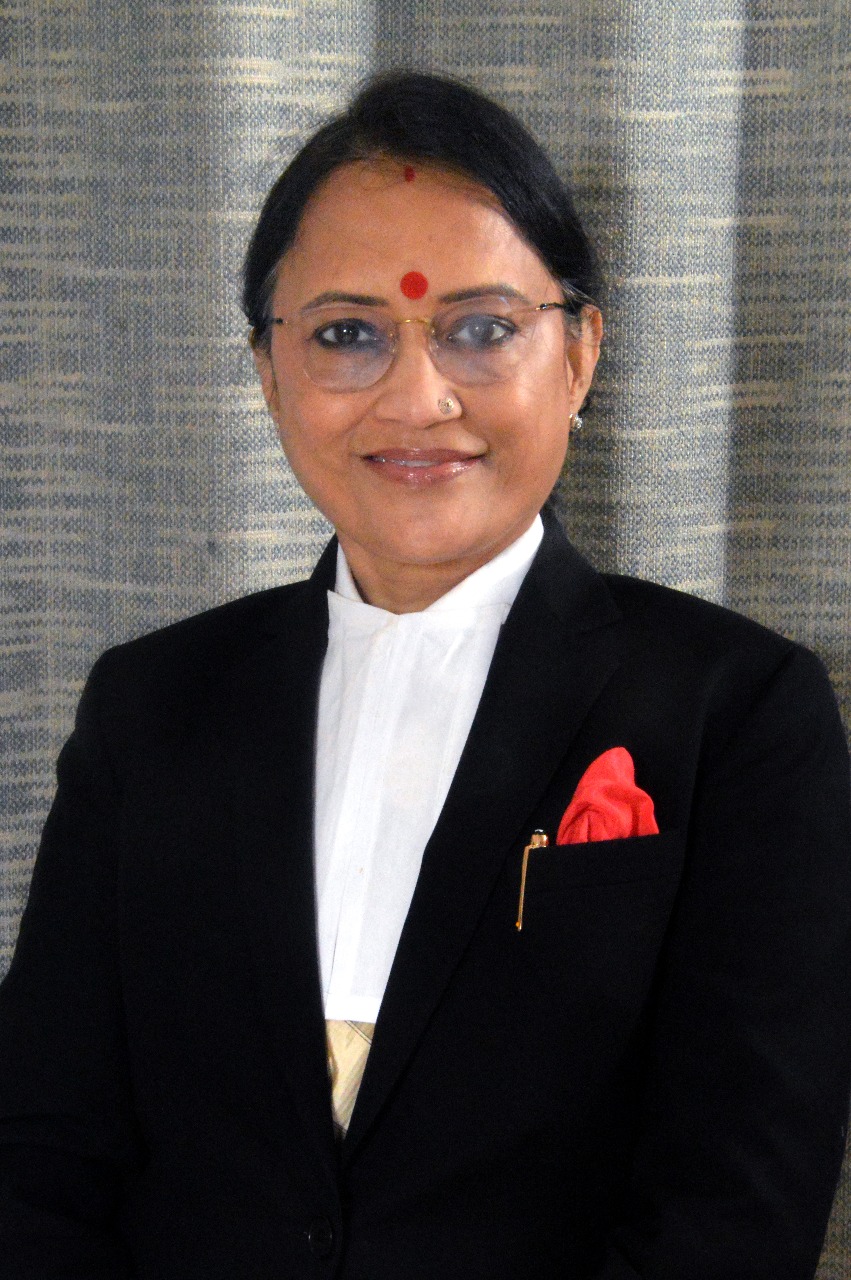
On appeal by the State of Goa, a Division Bench comprising Justices Neela Gokhale and Amit Jamsandekar re-evaluated the evidence in detail.
The High Court held that:
- The trial court had misappreciated the evidence and adopted an erroneous legal approach.
- Undue weight was given to the survivor’s behaviour, which is not determinative of consent in law.
- The material on record clearly established lack of consent and abuse of authority.
Accordingly, the Court convicted Tejpal under:
- Section 376(2)(f) IPC – rape by a person in a position of trust or authority
- Section 376(2)(k) IPC – rape by a person exercising control or dominance
- Section 354A IPC – sexual harassment
- Section 354B IPC – assault with intent to disrobe
The Court imposed a sentence of 10 years’ rigorous imprisonment, reflecting the gravity of the offence and the position of authority held by the accused.
PoSH Perspective: Why This Judgment Matters
Notably, the incident occurred shortly before the PoSH Act, 2013 came into force, yet the facts fall squarely within what would today constitute workplace sexual harassment.
While the prosecution and sentencing arise under criminal law, the case strongly aligns with PoSH principles:
- Authority entails accountability: Consent is strictly examined where a hierarchical relationship exists.
- Survivor’s conduct is not decisive: Behaviour before or after the incident cannot dilute the absence of consent.
- Workplace responsibility continues independently: Employers must ensure prompt PoSH inquiries, protection against retaliation, and a safe reporting environment.
What Remedy Lies Against the Conviction?
Following the conviction, the accused has the right to seek further remedy before the Supreme Court. However, the High Court’s ruling sends a clear and strong message: positions of power cannot be used as a shield, and misuse of authority in professional spaces will attract serious legal consequences.










[[comment.comment_text]]