A New Opening for US-Iran Peace Talks?

 an hour ago
The US Vice-President proposes immediate comprehensive negotiations, including Iran’s nuclear programme, even as the threat of renewed military confrontation casts a shadow over the region.
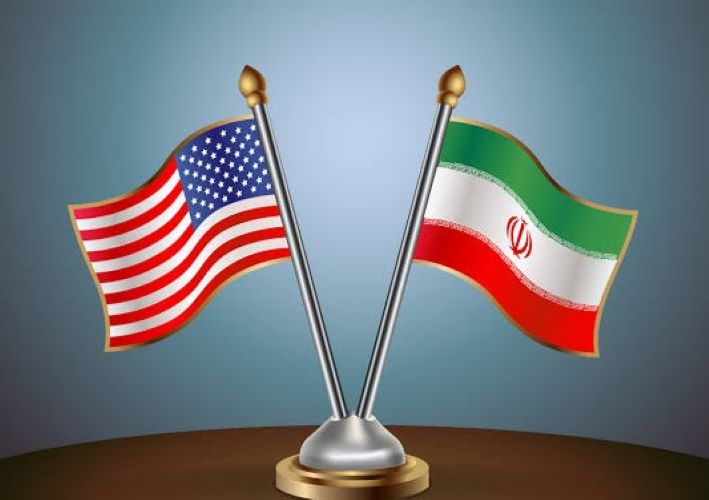
The prospect of renewed diplomacy between Washington and Tehran has emerged amid escalating tensions and the growing possibility of another round of military confrontation. US Vice-President JD Vance has reportedly sent a letter to a senior Iranian political and military official proposing an immediate resumption of comprehensive peace negotiations. The initiative, conveyed through Qatari mediators, signals Washington’s willingness to explore a diplomatic exit from a conflict that has unsettled the Middle East, threatened global economic stability and exposed divisions within the Republican Party.
According to American and Iranian officials familiar with the communication, Vance sent the letter last week through Qatari intermediaries, and it was delivered on Sunday to General Mohsen Rezaei, secretary of Iran’s Supreme National Security Council and a former commander-in-chief of the Islamic Revolutionary Guard Corps (IRGC). The Vice-President reportedly proposed an early meeting between American and Iranian representatives and offered to lead the negotiations on behalf of the United States. The letter had been read and approved by President Donald Trump before its transmission, indicating that the initiative had the administration’s endorsement at the highest level.
Tehran is understood to have received the proposal favourably, although a formal response from Rezaei was expected by Thursday. His selection as the recipient is politically significant. Washington reportedly concluded that meaningful negotiations required direct engagement with an influential figure capable of communicating with Iran’s conservative establishment, particularly the hard-line faction and the Revolutionary Guards, both of which remain sceptical of an agreement with the United States. Rezaei’s political and military background could therefore make him an important interlocutor in any attempt to bridge the differences between the two governments.
The proposed diplomatic opening comes at an exceptionally dangerous moment. President Trump has been considering the resumption of military strikes against Iran, potentially after the US midterm elections scheduled for next Tuesday. American military planners have reportedly prepared an expanded list of targets, including energy infrastructure and other installations critical to Iran’s economy. Tehran, meanwhile, has warned that any fresh American attack would invite a forceful retaliation, potentially extending to regional infrastructure and underwater communication cables. US officials have also expressed concern about Iranian preparations for attacks against American interests in the Middle East and elsewhere. The possibility of renewed hostilities makes the proposed negotiations particularly urgent.
A central element of Vance’s letter is the insistence that Iran’s nuclear programme must form part of comprehensive negotiations from the outset. Washington considers the nuclear question indispensable to any durable settlement and is unlikely to accept an arrangement that merely suspends military confrontation without addressing Tehran’s nuclear ambitions. The Vice-President has reportedly emphasised direct negotiations as the necessary route to resolving the conflict. Although the proposed talks would technically begin without preconditions, the inclusion of the nuclear issue makes clear that the United States expects substantive concessions rather than a temporary diplomatic understanding.
The letter has also opened the possibility of direct negotiations as early as next week, potentially in Qatar or Turkey. Neither a venue nor a specific date has yet been finalised. Both countries have played important roles in facilitating regional diplomacy, and Qatar, in particular, has maintained communication channels with Washington and Tehran. Iran’s Foreign Minister Abbas Araghchi has indicated that his government continues to give diplomacy an opportunity despite maintaining military preparedness. He has also referred to ongoing consultations with intermediaries over proposals intended to implement Iran’s seven-day plan within an accelerated timeframe.
Vance’s latest initiative follows his earlier involvement in attempts to negotiate an end to the conflict. At Trump’s direction, he travelled to Pakistan in April and participated in prolonged discussions with Iranian representatives. Those negotiations ended without an agreement. Vance had privately expressed reservations about military intervention against Iran, making his present role particularly noteworthy. His renewed involvement suggests that the White House sees value in placing a senior administration figure, with direct presidential backing, at the centre of the diplomatic effort. The success of this approach, however, will depend on whether Tehran believes Washington is genuinely prepared to pursue a negotiated settlement rather than using diplomacy as a temporary pause before further military action.
Regional powers have meanwhile intensified their diplomatic engagement. Senior representatives from Qatar, Pakistan, Turkey and Saudi Arabia have travelled to Iran in recent weeks to explore avenues for de-escalation. Their interventions reflect growing apprehension that another round of fighting could push an already fragile region towards wider instability. These governments have reportedly urged Tehran to demonstrate flexibility, particularly on the nuclear issue, to prevent a renewed confrontation. Iran’s new Supreme Leader, Ayatollah Mojtaba Khamenei, appointed Rezaei to his present position in August. Iranian state media has reported that Rezaei was instructed to find a way out of the present condition of ‘neither war nor peace’ through a seven-day diplomatic plan.
Tehran’s seven-day proposal, which Washington has rejected, seeks several preliminary American concessions, including the lifting of the naval blockade of the Strait of Hormuz and the release of some frozen Iranian assets. Iran has indicated that it would subsequently reopen the strategic waterway and immediately enter negotiations. The disagreement over the sequence of these steps remains a major obstacle. Washington wants the nuclear question addressed as an integral part of the negotiations, while Tehran appears to be seeking an initial reduction in economic and military pressure before making further commitments. Bridging this difference will require flexibility from both sides, particularly on the sequencing of reciprocal measures and the verification of commitments.
The political stakes for Trump are equally significant. The conflict has disrupted the global economy, intensified divisions within his own party and become an important issue ahead of the midterm elections. A recent New York Times-Siena University poll found that 65 per cent of voters disapproved of his handling of the war in Iran. Vance’s diplomatic intervention may therefore represent both a strategic effort to avert further regional destruction and an attempt to demonstrate that the administration has a credible alternative to military escalation. Ultimately, the letter to Rezaei could provide an opening for a negotiated settlement, but its success will depend on whether both governments are willing to move beyond competing demands and make verifiable compromises. The choice before Washington and Tehran is increasingly stark: resume diplomacy while meaningful options remain, or risk a renewed confrontation whose economic, political and security consequences could extend far beyond the Middle East.
(Author, a senior trilingual journalist, is an editorial adviser to TEW.)







[[comment.comment_text]]