Government Enforces New DGCA Rules to Remove Airport-Area Obstructions

 1 year, 3 months ago
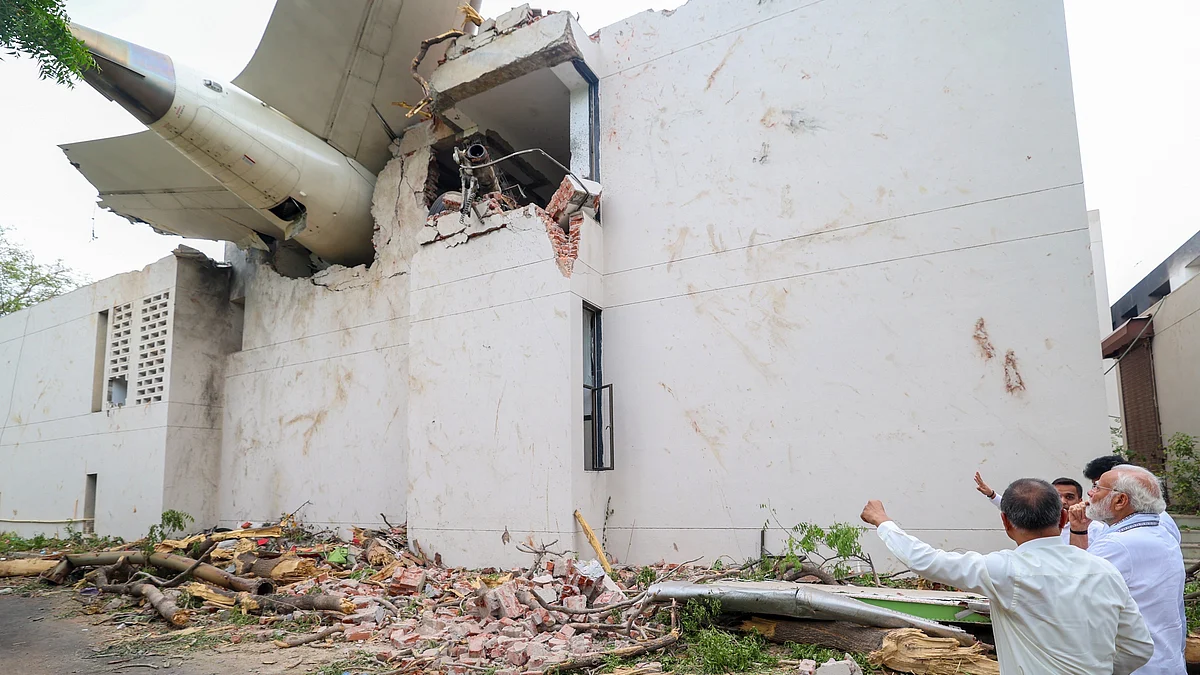
In the wake of a recent Air India plane accident in Ahmedabad, the Ministry of Civil Aviation has introduced stringent new regulations to enhance aviation safety by targeting physical obstructions near airports. The government has enforced the Aircraft (Removal of Obstacles due to Buildings, Trees, etc.) Rules, 2025, empowering authorities to act swiftly against structures violating height norms in airport zones.
The newly notified rules, which come into immediate effect upon publication in the official gazette, authorize designated officers to issue notices to owners of buildings or constructions that exceed permissible height limits in areas surrounding notified airports. Property owners are required to submit structural and site details within 60 days of receiving a notice. Failure to comply could lead to action such as demolition, height reduction, or trimming of the obstructing structure.
In cases of confirmed violations, the Directorate General of Civil Aviation (DGCA) may issue formal orders to bring such structures into compliance. A 60-day deadline will be given to owners to execute the necessary modifications. The rules also grant enforcement officers the authority to carry out inspections during daylight hours. If property owners refuse to cooperate, officers can escalate the matter to the DGCA, which may act on the basis of documented evidence.
These reforms aim to ensure safer flight operations, particularly during critical phases of take-off and landing, by eliminating man-made obstructions in the flight path. The move reflects the government’s urgent response to aviation safety concerns following the Ahmedabad incident and underlines its commitment to proactively mitigating risks in Indian airspace.








[[comment.comment_text]]