UPTET 2026: CM Orders Tight Security, Fair Exams for Nearly 20 Lakh Candidates

 3 months, 1 week ago
Lucknow: Uttar Pradesh Chief Minister Yogi Adityanath on Tuesday directed officials to ensure the Uttar Pradesh Teacher Eligibility Test (UPTET)-2026 is conducted with complete fairness, transparency and integrity, stressing that every candidate must be provided with a safe, well-organised and stress-free examination environment.
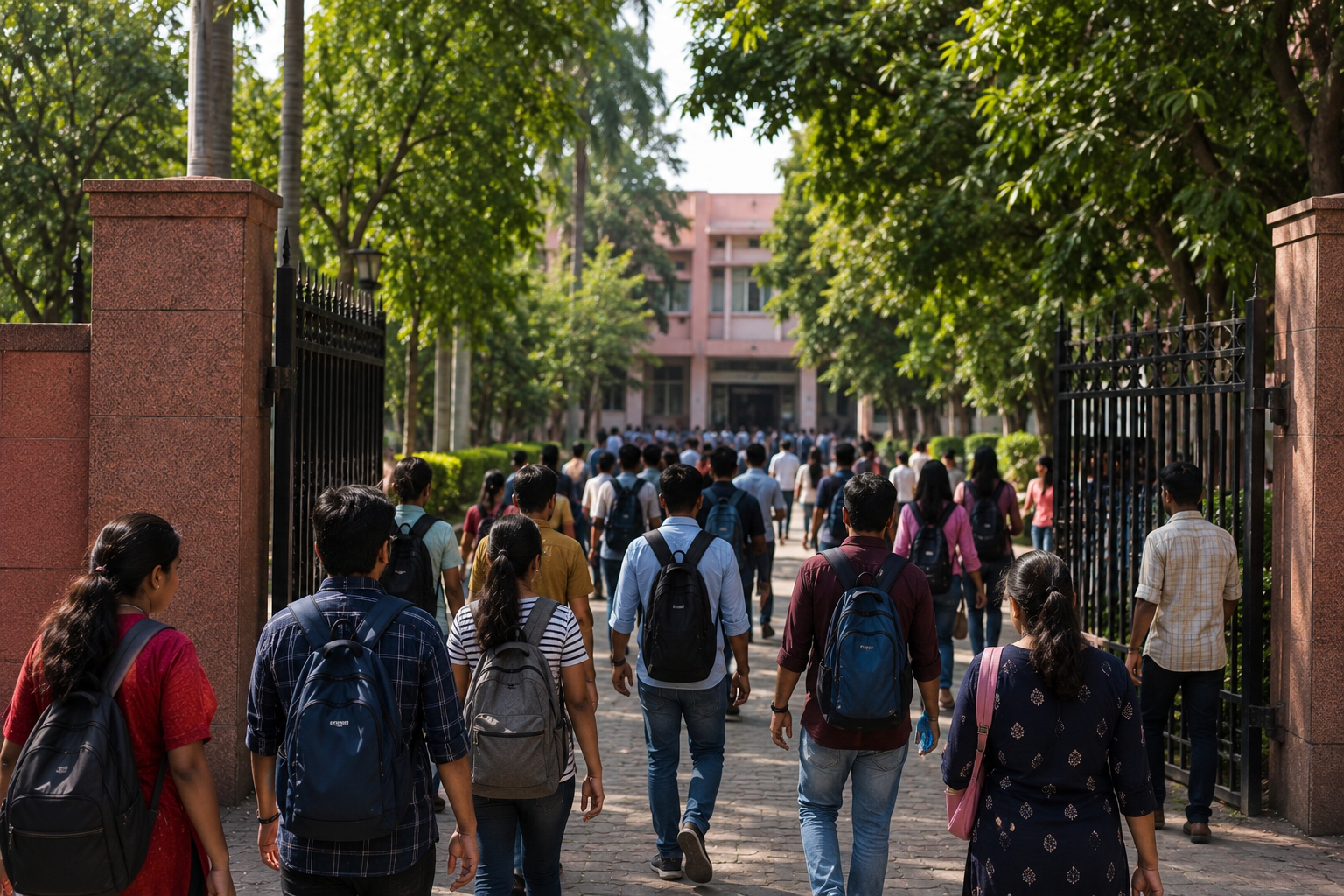
Reviewing preparations for the state-level examination scheduled from July 2 to July 4, the Chief Minister said conducting UPTET was not merely an administrative exercise but a responsibility towards the future of lakhs of aspiring teachers. He instructed officials to ensure that no candidate faces inconvenience due to transportation, accommodation, security or lack of basic facilities.
Around 19.95 lakh candidates are expected to appear for the examination at 955 examination centres across 60 districts in five shifts. Of the total candidates, 17.67 lakh are from Uttar Pradesh, while 2.27 lakh candidates will travel from other states to take the examination.
In a major policy decision, the Chief Minister also directed the Uttar Pradesh Education Service Selection Commission to conduct a separate Teacher Eligibility Test (TET) for in-service teachers, saying serving teachers should receive adequate opportunities to fulfil the mandatory eligibility requirement without facing difficulties due to limited examination opportunities.
Yogi directed district administrations to make special arrangements for candidates arriving from outside the state. Assistance desks will be set up at railway stations, bus stands and major transport hubs, while additional buses will be deployed in coordination with the State Road Transport Corporation, Railways and private transport operators wherever required.
He also ordered effective traffic management before and after the examination and instructed authorities to prevent any unjustified increase in the prices of food and beverages during the examination period.
The Chief Minister directed that every examination centre must be equipped with drinking water, clean toilets, shaded waiting areas, uninterrupted electricity, fire safety equipment and emergency medical facilities. District control rooms have been instructed to remain fully operational to respond immediately to any contingency.
Through video conferencing, Yogi instructed all District Magistrates to conduct a full-scale rehearsal of examination arrangements a day before the test to ensure smooth and error-free conduct.
Emphasising the sanctity of the examination, he directed that only officers and employees with impeccable service records be deployed on examination duty. He also called for the secure storage, transportation and dispatch of confidential examination material and ordered strict surveillance against the spread of rumours or misleading information on social media, warning that prompt action should be taken against those attempting to disrupt the examination process.
According to officials, the Upper Primary Level examination will be held in two shifts on July 2, followed by the Upper Primary examination in the first shift and the Primary Level examination in the second shift on July 3. The Primary Level examination will conclude the recruitment test in the first shift on July 4.
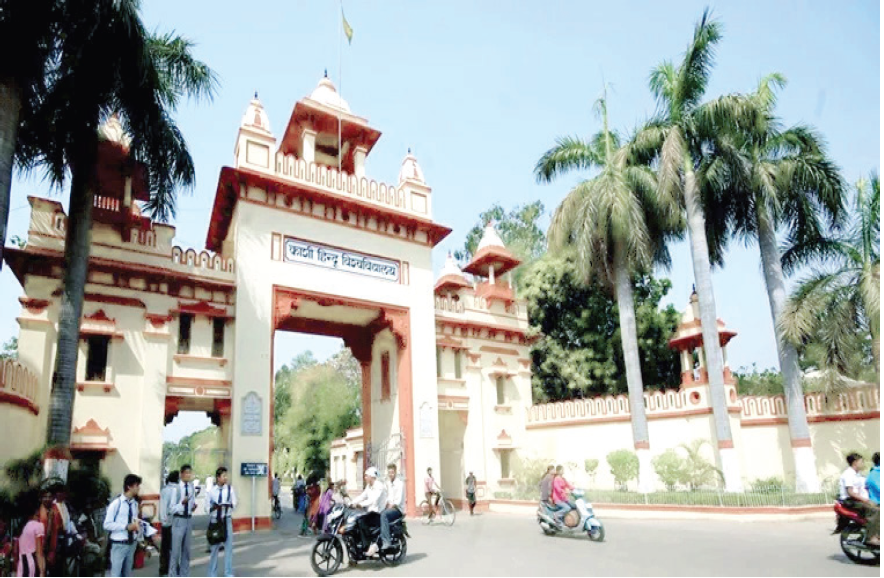
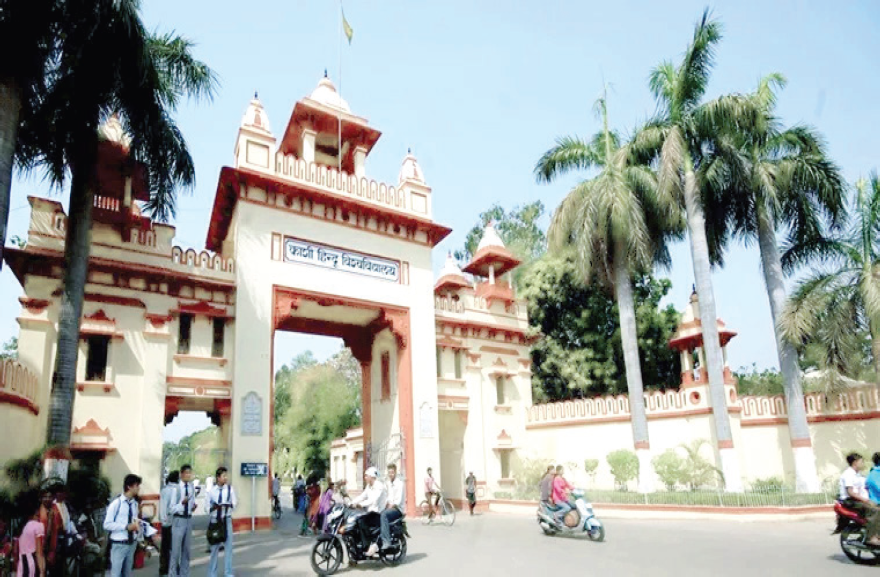
Among the districts recording the highest number of candidates are Varanasi, where 1.27 lakh candidates will appear at 68 centres, followed by Prayagraj with 76,634 candidates at 53 centres, and Lucknow with 76,720 candidates at 43 centres. Authorities said additional arrangements for security, transport, medical assistance and accommodation have been made in these districts in view of the large influx of candidates.


[[comment.comment_text]]