Beyond Heavy-Handed Restraints: PM Modi Must Open the Door to Electoral Dialogue
 an hour ago
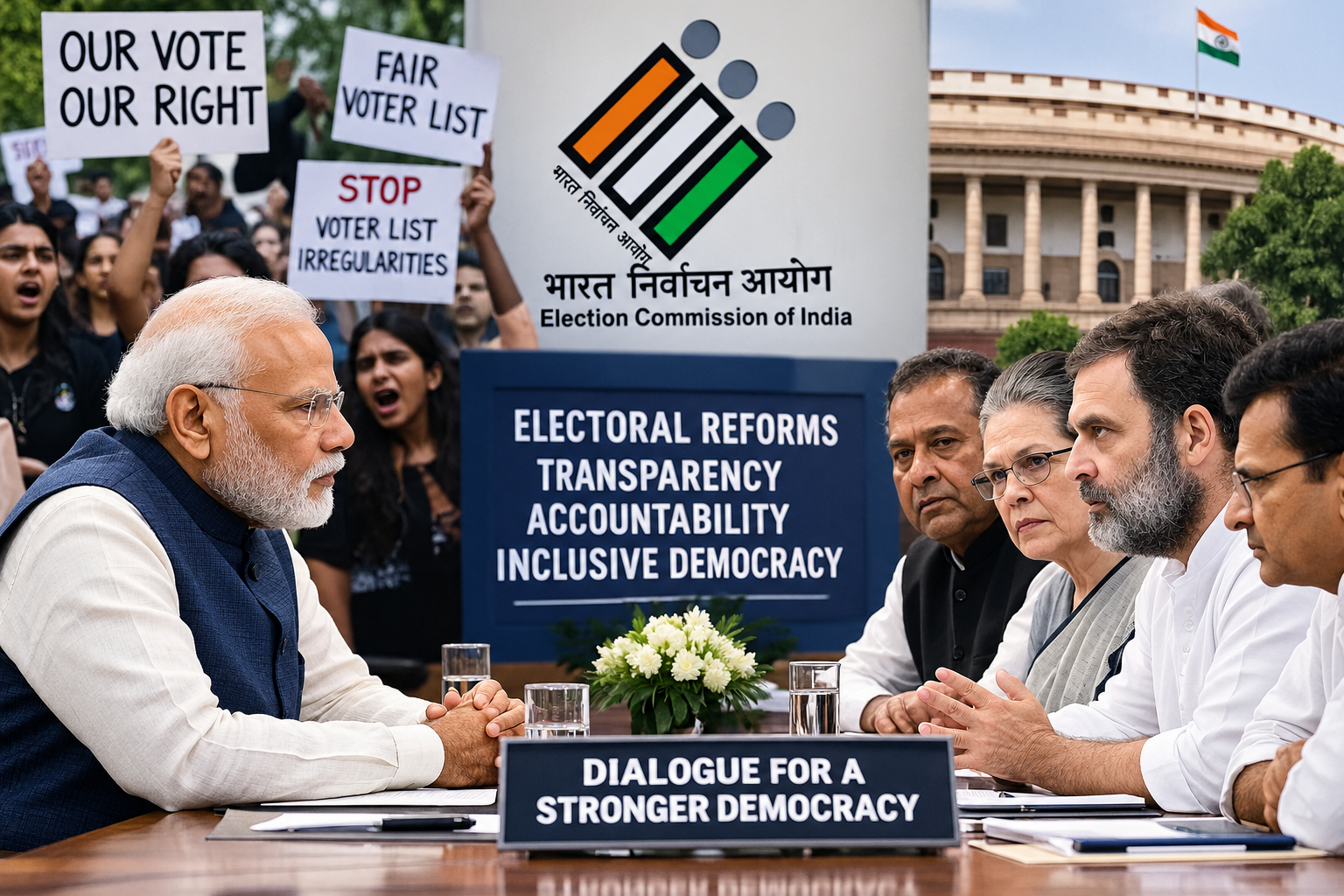
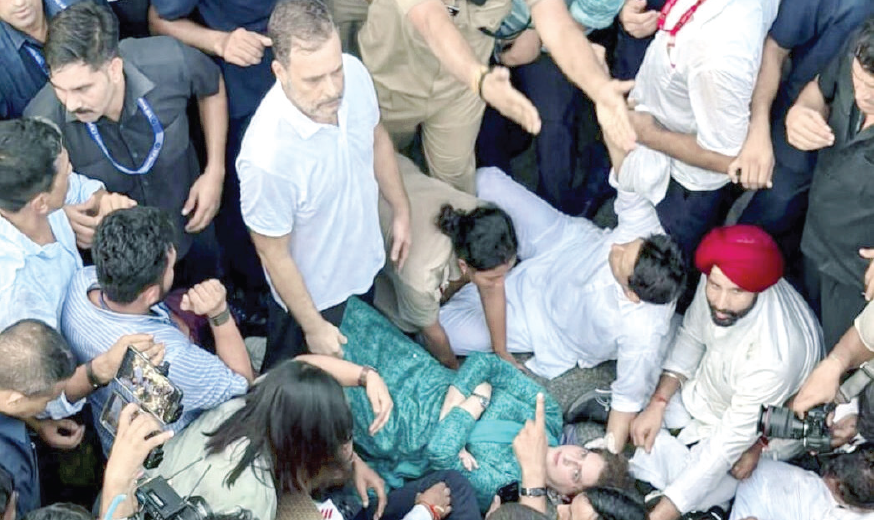
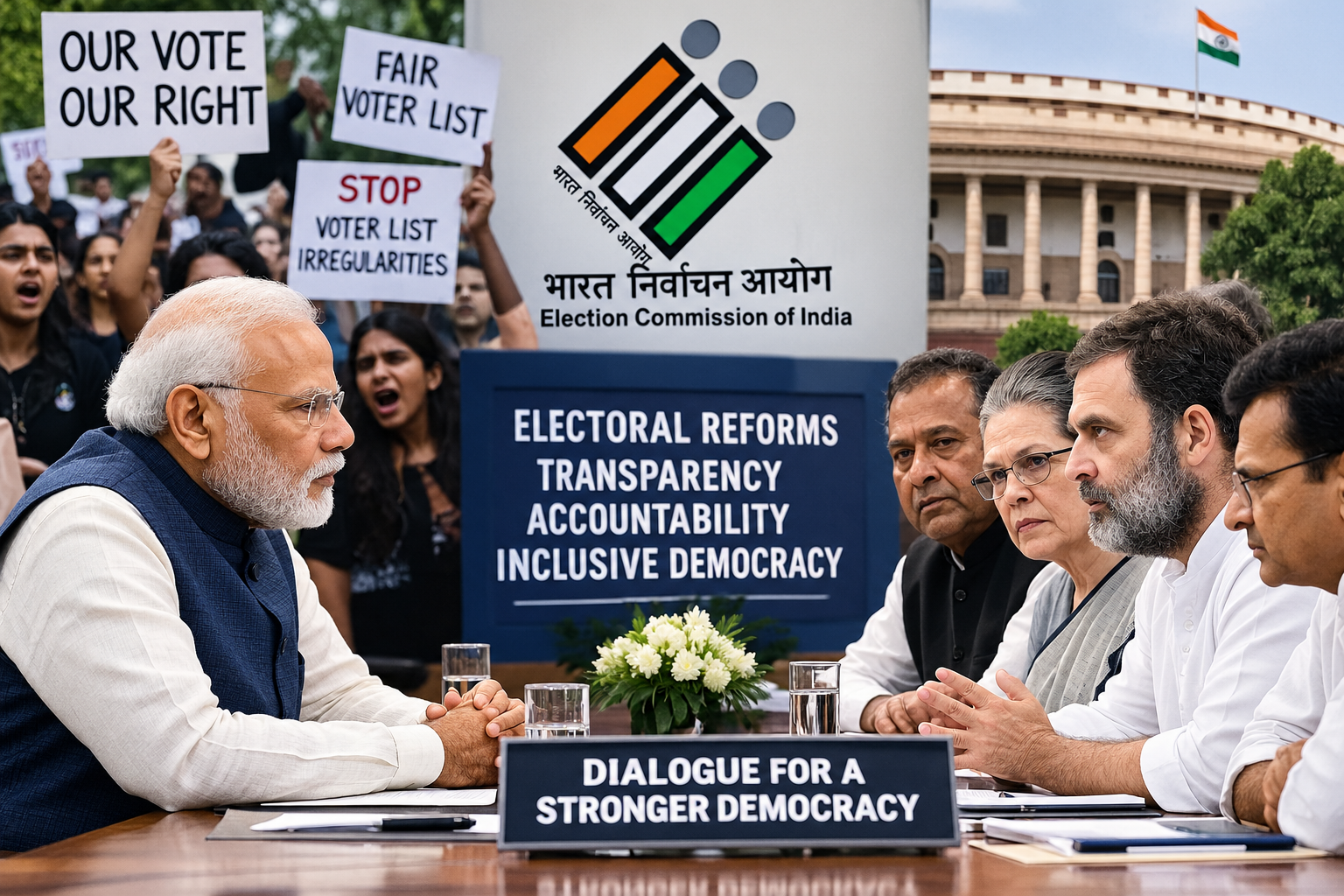
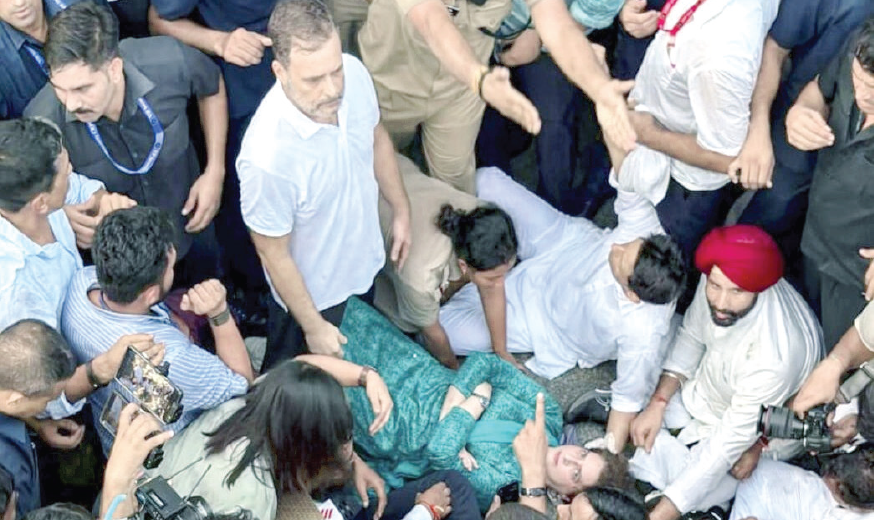
The mounting confrontation between the government and protesters over the recent voter roll revisions highlights a troubling escalation in India's political landscape. Extraordinary measures—ranging from canceling Delhi-bound trains and suspending urban mass transit to placing activists under preventive house arrest—signal a heavy-handed approach to dissent. As Chief Justice Surya Kant aptly noted while issuing an emergency order against the complete shutdown of basic public utilities, preventive security should not turn into using a hammer to kill a fly. Silencing public assembly only deepens distrust in critical public institutions.
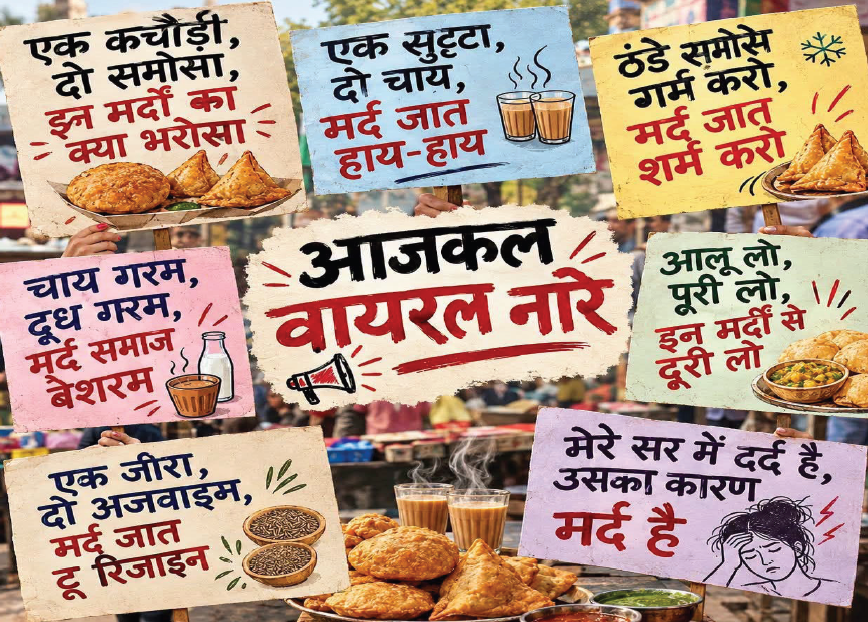
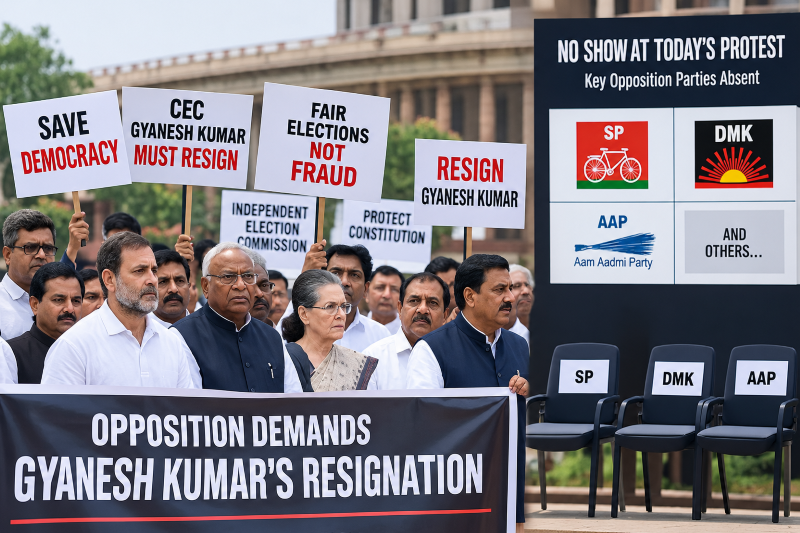
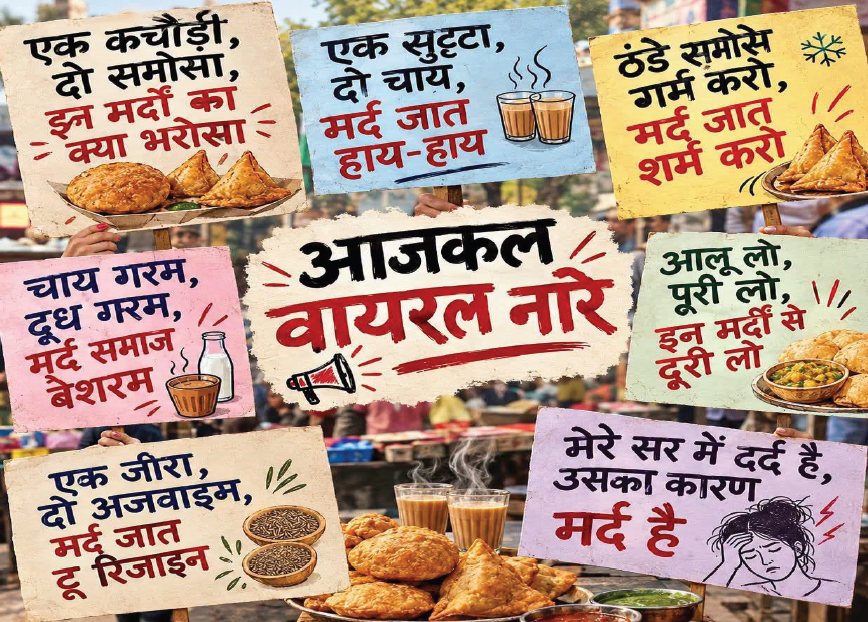
At the heart of the current unrest is the Election Commission of India, long revered as a beacon of democratic integrity, now facing intense public scrutiny over the elimination of 130 million names from the electoral rolls. Nationwide demonstrations and daily protests in the capital, spearheaded by youth groups like the Cockroach Janta Party alongside opposition forces, reflect a widespread demand for transparency and accountability. An opposition delegation’s recent meeting with the President of India underscores that constitutional channels are actively seeking a resolution, making peaceful engagement both necessary and urgent.
History demonstrates that constructive dialogue remains the most viable path to resolving deep-seated political disputes. During the Cockroach Janta Party's protests in July, sustained public pressure and government engagement ultimately led to executive accountability, resulting in the resignation of the Education Minister. That precedent proves that public grievances can be addressed constructively through responsive governance, rather than through public blockades at traditional protest venues like Jantar Mantar.
It is now critical for the government to demonstrate the political will to open a formal dialogue with opposition leaders on comprehensive election reforms. The state must move past administrative clampdowns and enter meaningful negotiations regarding how the electoral framework can be managed fairly. Restoring public trust in the non-partisan conduct of CEC requires creating an inclusive space where concerns about voter registration, administrative neutrality, and democratic participation can be debated transparently.
In the ultimate analysis, Prime Minister Narendra Modi must take the lead in reassuring the nation. By directly addressing the citizens and convincing the public that the Election Commission will operate in a democratic, transparent, and inclusive manner, the leadership can de-escalate tensions. Dialogue and open discussion remain the true bedrock of a functioning democracy, and taking proactive steps toward reconciliation is essential to maintaining national stability and public faith in the electoral process.


[[comment.comment_text]]