Israel at a Crossroads: The High Stakes of the October 27 Election

 an hour ago
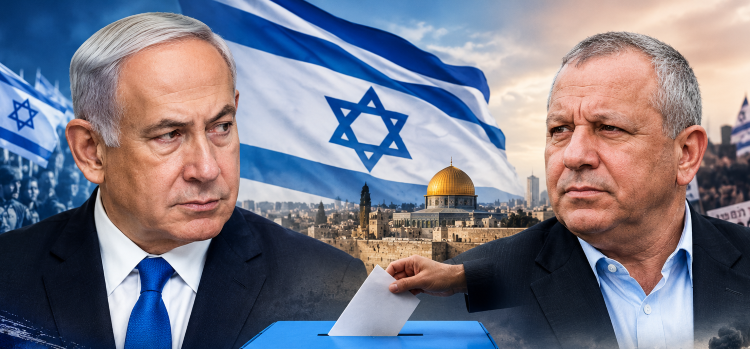
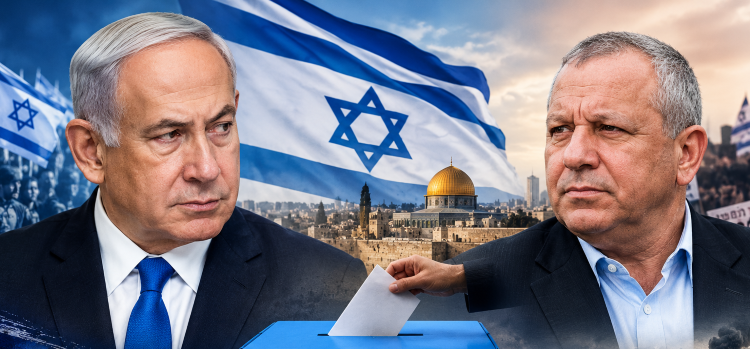
As Israelis prepare to head to the polls on October 27 for the first national election since the Hamas-led attacks on October 7, 2023, and the devastating war in Gaza, the nation finds itself at a pivotal historical junction. Prime Minister Benjamin Netanyahu’s far-right coalition faces a deeply divided electorate and a fierce challenge from opposition parties led by former military chief Gadi Eisenkot. The election is far more than an internal political contest; its outcome will shape the governance, democracy, and strategic posture of a country navigating profound internal turmoil and unprecedented regional conflict.
The electoral landscape remains fractured, with polling suggesting that neither major political bloc is positioned to secure an easy 61-seat majority in the Knesset. Netanyahu retains a resilient base of supporters who view his experience as indispensable in a time of ‘existential threat’. Conversely, his opponents—a wide-ranging spectrum spanning left-wing secularists, centrist technocrats, and right-wing nationalists—are united primarily by their desire to unseat a prime minister they blame for security failures and the erosion of liberal democratic institutions.
Navigating the math of coalition building will test the limits of Israeli political pragmatism. Should Eisenkot and his allies attempt to form a fragile "change bloc," they will likely need the support of Arab parties like Raam while reconciling the demands of hard-line right-wing partners—a delicate balance that previously collapsed under its own ideological weight in 2022. Furthermore, small emerging parties and strict threshold requirements mean even minor shifts in voter turnout, particularly among Arab citizens, could dramatically alter the distribution of parliamentary seats.
If negotiations break down, Israel risks returning to political deadlock and a series of snap elections. In such a scenario, Netanyahu could maintain control via a caretaker government, preserving his power while the nation faces immense domestic and international challenges. While an external security emergency—such as escalated confrontation with Iran—might force a temporary national unity alliance, lasting stability will require a coalition capable of transcending deep ideological divides.
In the ultimate analysis, the choice rests with the Israeli electorate as they exercise their democratic rights amidst complex internal and geopolitical pressures. With world powers, including the U.S. administration under President Donald Trump, watching closely, the decision made at the ballot box will carry immense ramifications. A stable and governing coalition could provide the groundwork for strategic clarity and regional stabilization, making this vote a crucial turning point for both Israel and the broader Middle East.






[[comment.comment_text]]