Arnab: The Tragedy in the Shadow of the Hills

 3 weeks ago
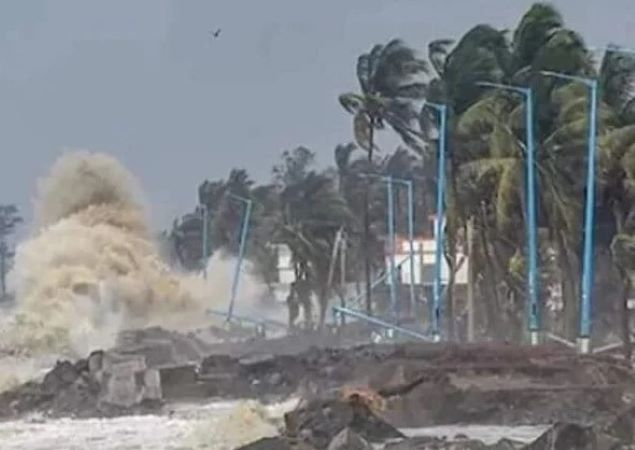
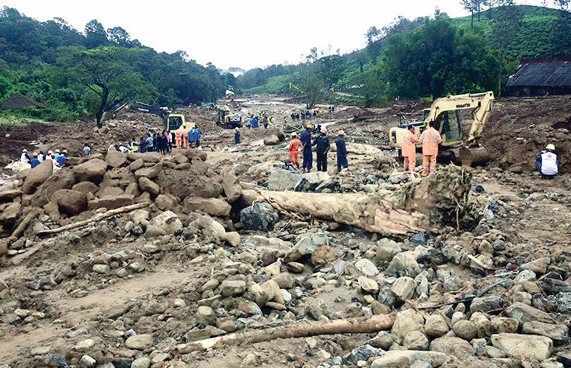
The devastating loss of a family's including a nine-month-old infant in Odisha’s Kandhamal district is a heartbreaking reminder that severe tropical storms inflict their heaviest toll long after landfall. As torrential downpours fueled by Cyclone Arnab triggered hill collapses across Dangesi village and surrounding areas, whole communities were buried before dawn broke. While Odisha has rightfully earned international praise for its evacuation protocols and coastal cyclone shelters, the tragic disaster in Kandhamal highlights a critical blind spot in climate resilience: the secondary hazards of extreme post-cyclonic rainfall in fragile inland topographies.
The destruction across Ganjam, Gajapati, and Kandhamal signals a fundamental shift in how extreme weather impacts the region. Supercharged by warmer ocean temperatures and atmospheric phenomena like El Nino’s modern tropical cyclones carry immense moisture loads deep inland, dropping months of rain in hours. The main threat to life is no longer just high-velocity coastal winds or storm surges, but sudden hill collapses, flash floods, and massive debris flows in highland terrains. Standard disaster management frameworks designed primarily for coastal evacuation are struggling to keep pace with these compound inland disasters.
In the immediate aftermath, the administration’s priority must remain rapid disaster response. Deploying specialized search units, such as the Odisha Disaster Rapid Action Force (ODRAF) and NDRF teams, along with aerial support, is essential to trace missing residents, clear blocked corridors like Kalinga Ghat, and restore vital supply lines. Financial ex-gratia payments offer quick relief to grieving families, but human lives can only be saved if emergency medical aid, clean drinking water, and epidemic prevention measures reach the hundreds of marooned villages before secondary health crises take hold.
Beyond short-term emergency relief, state and federal agencies must execute a systemic reform of disaster management policy. The government must act across three key areas. The state needs micro-level slope-stability mapping for all hilly habitation zones in districts like Kandhamal and Gajapati. Identifying vulnerable, highly saturated soils using satellite data will allow authorities to issue micro-targeted evacuation orders before landslides occur. Existing early warning networks must be expanded beyond coastal regions. Integrating automated rain gauges with real-time soil moisture monitoring will provide actionable warnings for imminent slope failures. Development policy in ecologically fragile regions requires strict regulation. Construction along high-risk hill slopes must be phased out in favor of safer, planned relocations. Key transit routes and bridges must also be engineered to withstand flash floods and heavy rockfalls.
Odisha’s proactive evacuation efforts saved thousands of lives when Cyclone Arnab swept in from the Bay of Bengal. Yet, the lives lost under the mud in Kandhamal reveal that zero-casualty targets cannot end at the coast. Climate change is reshaping natural disasters, turning storm tail-ends into lethal inland threats. To truly shield vulnerable populations, the state government must match its coastal preparedness with an equally robust inland protection framework—ensuring no family is left exposed when the hills begin to slide.










[[comment.comment_text]]