Beyond Motivational Speeches: What It Actually Takes to Win Over Gen Z

 2 months ago
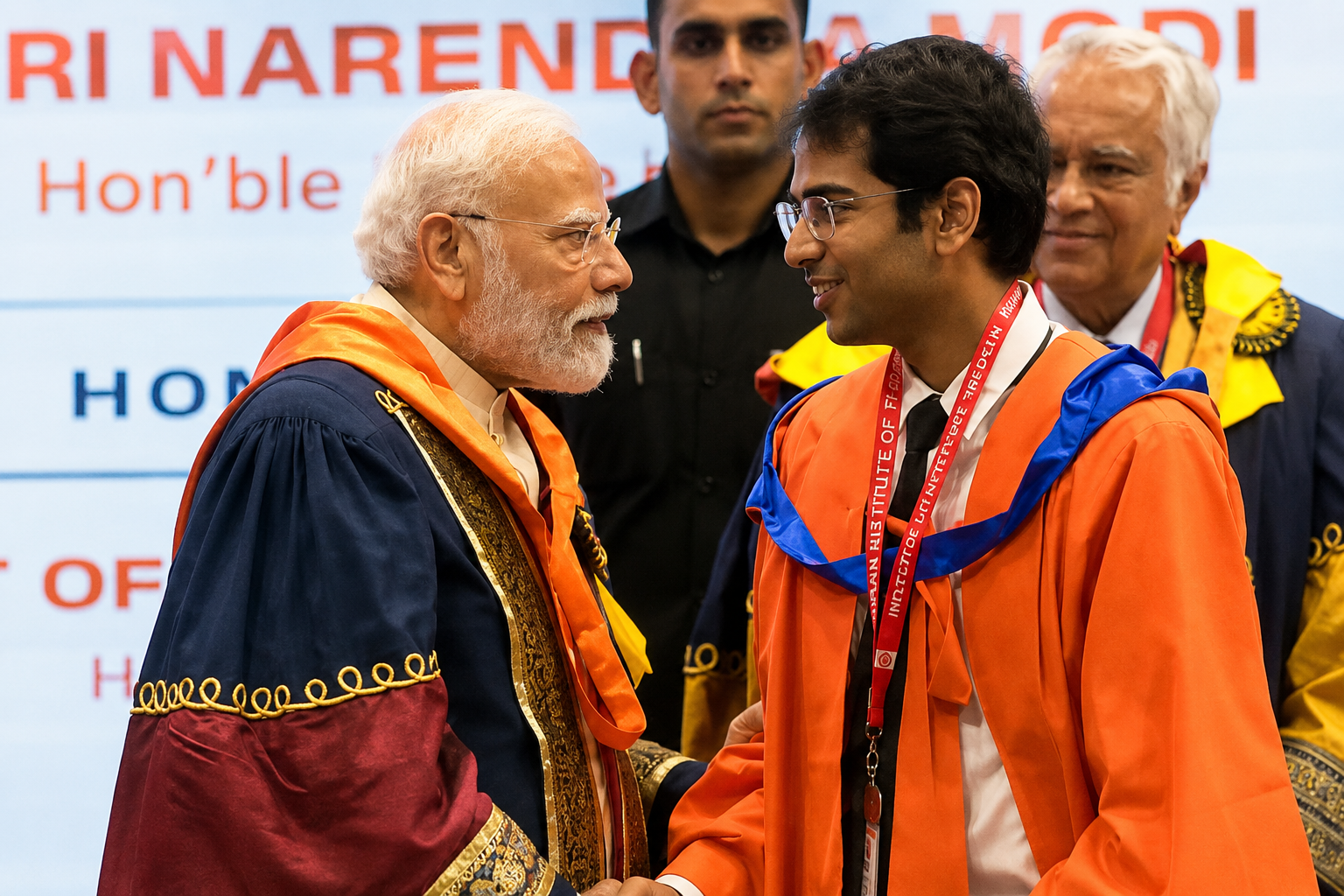
Prime Minister Narendra Modi’s address at the 57th convocation of IIT Delhi marks a visible attempt by the ruling dispensation to mend fences with a restless youth demographic. Fresh off the heels of widespread student-led protests in the national capital, the Prime Minister’s emphasis on national responsibility and individual ambition was clearly designed to pivot the narrative from political dissent toward collective development. By framing youth as the primary architects of a 'Viksit Bharat,' the leadership sought to channel rising youthful frustration into a shared vision for the nation's future.
The rhetoric deployed—advising graduates that their "real race is with yourself" and acknowledging that life’s tests are often "out of syllabus"—reflects a calculated effort to speak Gen Z's language. However, motivational framing alone risks missing the deeper economic anxieties gripping this cohort. For millions of young Indians entering the workforce, life feels less like an individual self-improvement journey and more like a high-stakes bottleneck. Exam paper leaks, delayed recruitment drives, intense competition, and a tight formal job market present immediate, practical hurdles that simple encouragement cannot dismantle.
Understanding Gen Z requires acknowledging that their discontent stems from structural precarity rather than a lack of drive. While premier graduates from top institutions may secure high-value pathways, the broader generation faces escalating educational expenses, stagnant entry-level pay, and an economy increasingly reliant on gig-work stability. When basic career milestones remain out of reach despite years of preparation, calls to remain adaptable can sound detached from reality unless backed by rapid institutional reform.
To build a meaningful connection with young citizens, government outreach must evolve beyond ceremonial speeches and reactive damage control. Gen Z is notoriously skeptical of top-down advice; they demand transparency, clear economic pathways, and systemic accountability. Reaching out effectively requires establishing dedicated feedback loops regarding job creation, fair examination standards, labor market protections, and mental health infrastructure.
The message, from a Prime Minister who has always been articulating the benefits of India’s demographic dividend, that challenges can become opportunities is significantly well intended. But, creating an environment where those opportunities exist remains a challenging public duty. If the state genuinely aims to earn the trust of Gen Z and align them with long-term national goals, it must bridge the gap between aspirational rhetoric and tangible policy. A sustained, empathetic commitment to solving their everyday career hardships is the only way to turn short-term outreach into an enduring partnership.








[[comment.comment_text]]