Potential for Electricity Generation at Sugga Dam Fall and Laudh Fall, State Neglect Hinders Development as Tourist Spots

 2 years, 4 months ago
Sanjay Kumar Pandey
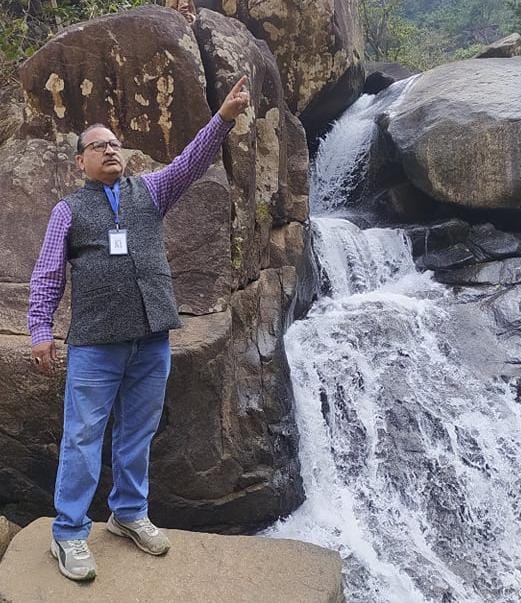
Palamu EW News: Nature has bestowed its bounty generously upon Latehar district. The Garu and Mahuadand blocks are adorned with lush green hills, waterfalls, and rivers, creating a mesmerizing natural beauty that captivates visitors. The sun's golden rays on these verdant valleys transform them into a fairyland. Despite the natural gifts. State government neglect has left these areas undeveloped as tourist destinations. Garu and Mahuadand blocks possess immense tourism potential, housing numerous attractions that remain in disrepair even 25 years after the state's formation. Proper development could put these blocks on Jharkhand's tourism map, but positive government action has yet to materialize. Located in the southernmost part of Jharkhand, Garu and Mahuadand are nestled among mountains and forests, boasting several well-known tourist spots. In Garu block, notable sites include Mirchaiya Fall, Henar Village, Kujrum, Latu, the banks of the Koyal River at Satnadiya, Madamore, and Sugga Dam. Mahuadand block features Laudh Fall, the sunset and sunrise points at Netarhat, Larnanala, an agricultural farm, and many more.
Hundreds of tourists visit these sites each year, thrilled by their beauty. However, the lack of development by the government is unfortunate. Developing these areas as tourist destinations could generate significant revenue for the state annually. Sugga Dam Fall, located 20 kilometers from Garu, has immense potential for hydroelectric power generation. Similarly, Laudh Fall in Mahuadand block has a potential for generating five megawatts of electricity. Laudh Fall features a 180-foot-high waterfall that attracts tourists from Bengal, Odisha, and Mumbai. Despite the natural splendor, the local villages have seen minimal improvements in living standards. Many homes are still bamboo huts, and there are inadequate drinking water facilities. Due to the lack of employment opportunities, locals resort to making baskets and other items from wild bamboo, which they sell in distant markets without proper market facilities provided by the state. Unemployment forces many to migrate to cities, and those who remain sell forest wood and bamboo in distant markets where they often face exploitation. For true conservation of the forests, the living conditions in these nearby villages must be improved. Developing the tourism potential of Garu and Mahuadand blocks not only promises economic benefits but also a better quality of life for the local residents, while ensuring the protection and preservation of the forests











[[comment.comment_text]]