"Lakshadweep's Tourism Ambitions: Balancing Growth and Ecology"

 2 years, 9 months ago
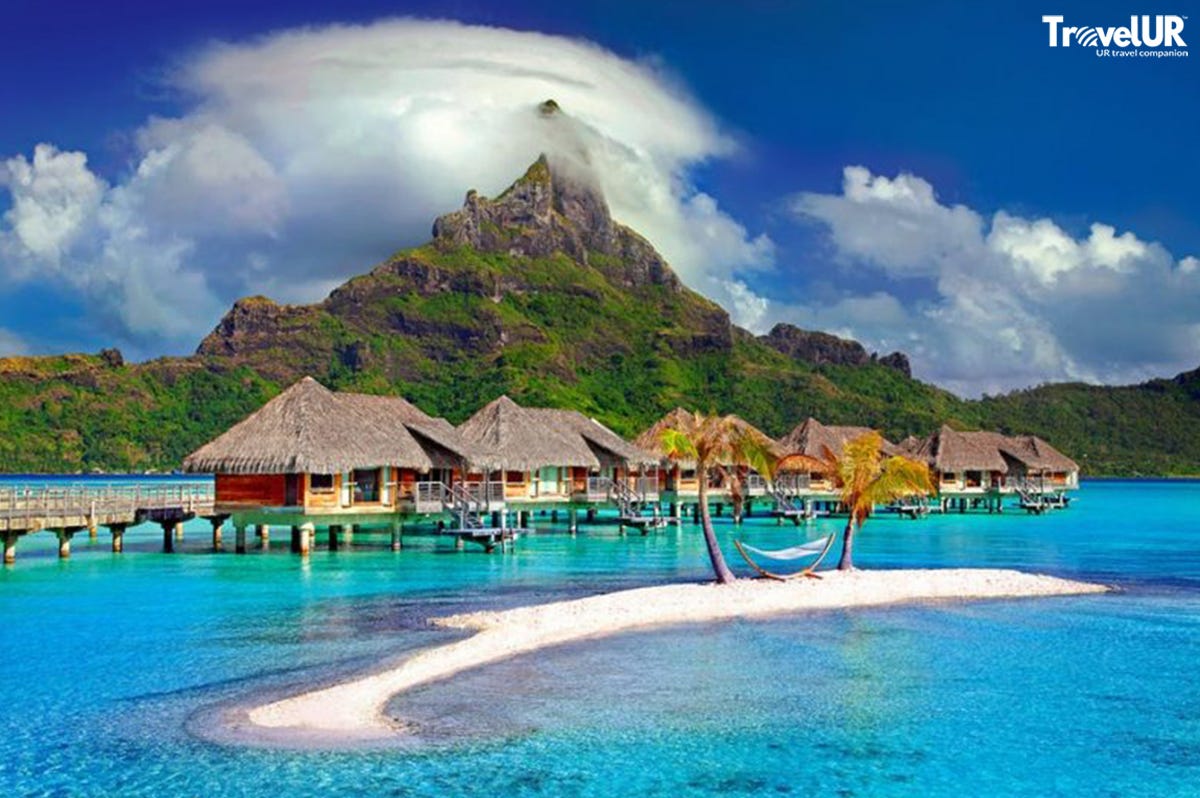
Maldives consistently draws higher tourist volumes, notably from India, compared to the relatively modest tourist activity in Lakshadweep.
Manoj Kumar Pathak
In recent times, the picturesque Lakshadweep islands have found themselves in the limelight, courtesy of the Prime Minister's visit and some controversial remarks made by politicians from the Maldives. As diplomatic ties between Delhi and Malé experience a downturn, there is growing speculation about transforming Lakshadweep into a premier beach tourism destination, positioning it as a compelling alternative to the Maldives.
Lakshadweep, with its sprawling sandy beaches, coral reefs, and a plethora of water sports options like scuba diving and windsurfing, undoubtedly possesses the elements that make for a fabulous tropical getaway. However, the path to transforming it into a destination that can rival the Maldives is laden with challenges, primarily revolving around the archipelago's fragile ecology and limited resources.
One cannot ignore the fact that Lakshadweep, in its current state, is not geared towards mass tourism. With a population of over 60,000 residents, the existing infrastructure is designed to meet the needs of the local community rather than a flood of tourists. To convert the islands into a high-end beach tourism destination, a massive overhaul of the infrastructure is imperative. This involves not just enhancing accommodations and amenities but also ensuring sustainable practices that safeguard the delicate ecological balance of the region.
The islands' fragile ecology, characterized by unique marine life and coral reefs, necessitates a cautious approach towards development. Uncontrolled tourism could pose a threat to the very essence that makes Lakshadweep an appealing destination. Striking a balance between economic aspirations and ecological preservation should be the cornerstone of any development plan.
Furthermore, the limited resources available in Lakshadweep need to be managed judiciously. From waste disposal to energy requirements, a surge in tourism would undoubtedly put a strain on the islands' resources. Sustainable practices, renewable energy initiatives, and waste management systems must be implemented to ensure that the islands can sustain the influx of visitors without compromising their natural beauty.
While the idea of positioning Lakshadweep as a competitor to the Maldives in the tourism sector is enticing, it demands a meticulous and well-thought-out strategy. A collaborative effort involving government bodies, environmental experts, and local communities is vital to navigate the delicate balance between economic development and ecological preservation.
Lakshadweep holds immense potential as a high-end beach tourism destination, but the journey towards achieving this status must be characterized by responsible and sustainable development. A harmonious blend of economic ambitions, environmental stewardship, and community engagement is essential to ensure that Lakshadweep's natural beauty remains intact while offering a unique and luxurious experience for discerning travelers.











[[comment.comment_text]]