Dr. Ambedkar: A Legacy Rooted in the Traditions of Buddha and Kabir

 2 years, 10 months ago

By Prof. Vivekanand Tiwari
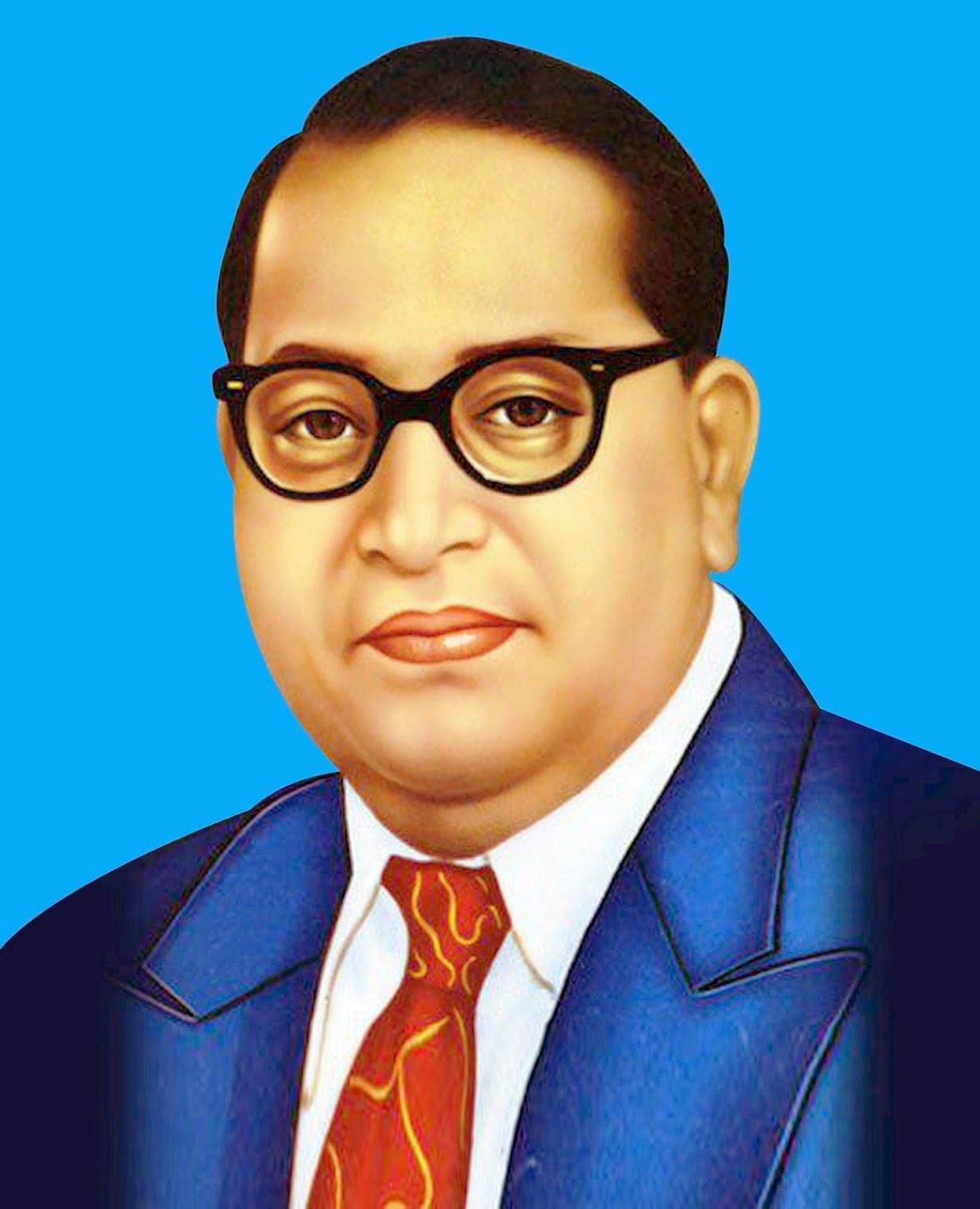
Today marks the anniversary of Dr. Ambedkar's passing, a day that resonates with the profound legacy of India's foremost Dalit leader, Dr. Bhimrao Ambedkar. Known as the great champion of Dalits, he dedicated his entire life to fighting against social injustices like untouchability and caste discrimination. Serving as the first Law and Justice Minister of independent India, he is often hailed as the architect of the Indian Constitution.
Dr. Ambedkar's father, Ramji Sakpal, was deeply religious and instilled spiritual values in his children, drawing inspiration from Hindu scriptures and the verses of saints like Tukaram. However, Ambedkar's connection with the Kabir tradition is noteworthy, as Kabir, too, challenged caste hierarchies. Modern education and support from the Maratha rulers played a crucial role in shaping Ambedkar's career.
The concept of Nirvana, a central tenet in Buddhism, holds significance in Dr. Ambedkar's life. It signifies liberation from worldly desires and suffering. His final rites, adhering to Buddhist customs, were conducted at Dadar Chowpatty in Mumbai, now recognized as a sacred Buddhist site.
To address Dalit issues, Dr. Ambedkar initiated the "Bahishkrit Bharat" newspaper on April 3, 1927. His personality and achievements were further highlighted when he became a professor at Government Law College, Bombay, in 1928. Later, he served as the college's principal and, in 1935, assumed the role of its principal until his resignation in 1938.
In 1935, Dr. Ambedkar convened a regional conference in Yeola, Nashik, where he declared his decision to renounce Hinduism, stating, "I was born a Hindu, but I will not die as one." Thousands of followers supported this decision. In 1936, he addressed the Bombay Presidency Mahar Conference, advocating for the abandonment of Hinduism.
On August 15, 1936, Dr. Ambedkar founded the Independent Labour Party to safeguard the interests of Dalits. Despite joining Nehru's cabinet as the Law and Justice Minister after independence, differences on issues like Kashmir, foreign policy, and the Hindu Code Bill led to his resignation in 1951.
In 1952, Columbia University awarded him an LLD degree, recognizing his contributions to the drafting of the Indian Constitution. His critical analysis of the Congress' attempt to rename the untouchables as "Scheduled Castes" in 1938 reflects his commitment to real change.
Dr. Ambedkar's influence extended globally, with the World Buddhist Council honoring him with the title "Bodhisattva" in 1954 in Kathmandu, Nepal. Notably, he was bestowed with this title while still alive. His formal conversion to Buddhism took place on October 14, 1956, in Nagpur, marking a historic moment.
In 1953, Osmania University conferred a doctorate on Dr. Ambedkar. Finally, his words proved true after 21 years when he declared in Yeola in 1935, "I will not die as a Hindu." His demise occurred on December 6, 1956.
In 1954, the World Buddhist Council in Kathmandu, Nepal, honored Dr. B.R. Ambedkar with the title "Bodhisattva." It is noteworthy that Dr. Ambedkar received this title during his lifetime.
(Writer is Chairman of Ambedkar Chair,Himachal Pradesh University, Shimla)






[[comment.comment_text]]