Chhath Puja: A Celebration of Nature, Gratitude, and Social Harmony

 2 years, 11 months ago
By Prof. Vivekanand Tiwari
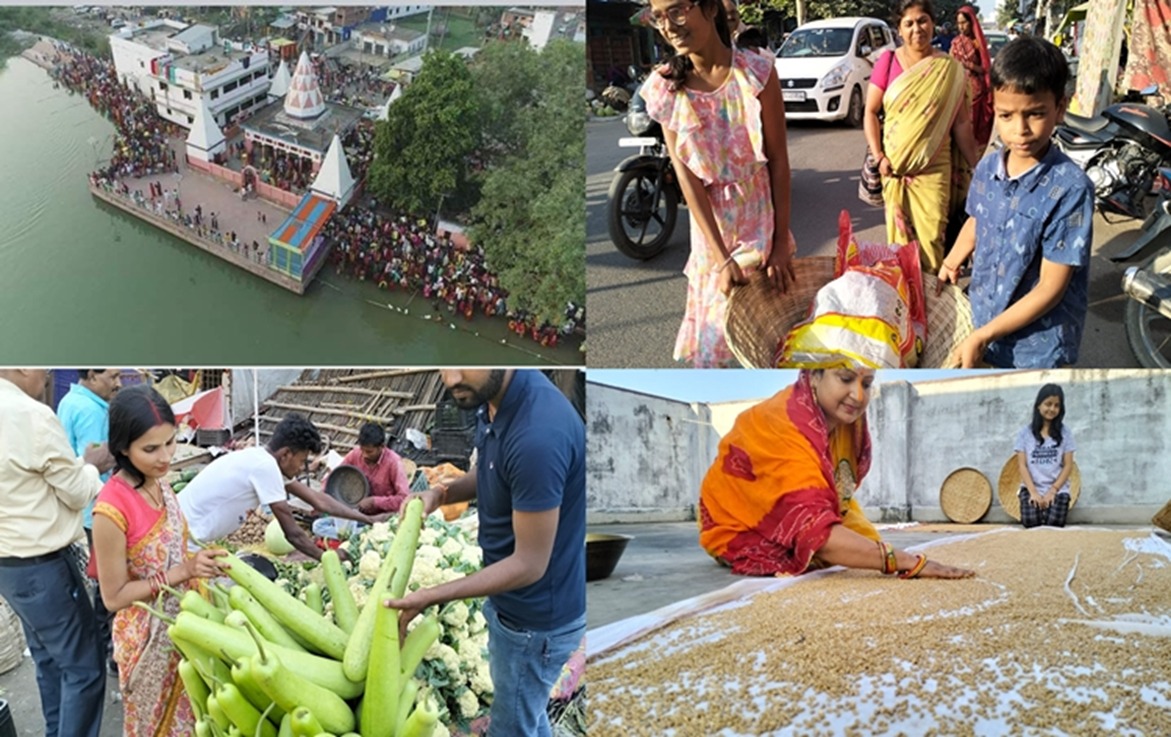
Chhath, a sacred festival, signifies a deep connection between individuals and nature. Revering the sun, Chhath Puja is a grand celebration of solar worship. In Ayurveda, the sun is considered vital for our existence, making Chhath a day to express gratitude towards the sun, the foundation of our being.
In ancient times, various symbols represented the supreme status of the sun as a divine entity. The Gayatri Mantra, composed by Rishi Vishwamitra, dedicated to Savita Deva, emphasizes the diverse forms and names through which the sun is revered collectively as 'Aditya.'
Whether it's the greenery of the earth, the vibrancy of flowers, the tenderness of leaves, or the coolness of the moon—all exist because of the sun. Even sages bowed to the rising and setting sun. Chhath, among many sun-related festivals, stands out as the most popular, observed from Kartik Shukla Chaturthi to Shashthi.
Chhath Puja conveys a message of social harmony, where people from all social strata actively participate without discrimination. The preparation of offerings during this festival involves equal participation, emphasizing unity.
Ancient Roots of Chhath Puja:
According to legends, Chhath began during the Mahabharata era. Karn, a devoted follower of the sun, initiated Chhath rituals by standing in deep water, offering arghya to the sun. This practice blessed Karn with valor and invincibility.
Archeological evidence on coins from the Kushan dynasty reflects the significance of sun worship. Chhath's popularity extends beyond India, reaching countries like the United States and England.
No Need for Religious Experts:
One unique aspect of Chhath Puja is its simplicity. It doesn't require religious experts; families conduct the puja themselves. Chhath doesn't demand temple visits or idol worship. It involves worshipping nature directly, making it a ceremony of authenticity, free from elaborate rituals and mantras.
Message of Conservation along with Cleanliness:
Chhath Puja not only holds religious importance but also carries scientific significance. Additionally, it promotes cleanliness and the conservation of nature.
Even Non-devotees Avoid Puja Materials:
Chhath, a stringent fast lasting for 36 hours, is considered one of the most challenging. Even those not observing the fast abstain from consuming specific items and discourage their children from doing so. Non-devotees actively engage in supporting devotees and fulfilling their needs.
Various Stages of Chhath Puja:
This festival, with its various rituals, is revered for the well-being, longevity, and bright future of offspring. Chhath Puja's main observance occurs on Shashthi, starting at sunrise and concluding on Saptami. This year, the festival begins on November 18 and concludes on November 19.
In essence, Chhath Puja serves as a holistic celebration, intertwining spirituality, nature, and social harmony into a vibrant tapestry of cultural significance.
(Writer is Chairman of Ambedkar Pith in HPU Shimla)











[[comment.comment_text]]