Social Justice and Caste Politics to School Bag Symbolism in Bihar


 2 months, 2 weeks ago
With every election in Bihar, a new slogan is born, and after every election that slogan is buried beneath political compromises. At one time “social justice” became the mantra of power; at another, “good governance” became a symbol of hope. Now Prashant Kishor has entered the political arena carrying a school bag as his symbol. He says that Bihar’s battle is not about caste but about education; not about power but about the future. The real question is whether Bihar is ready to understand this new language, or whether the old script of caste will once again write the next election.
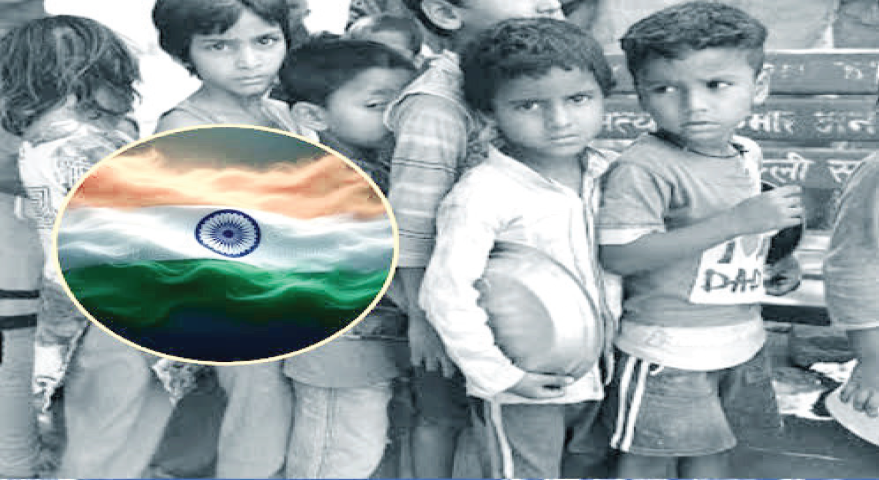
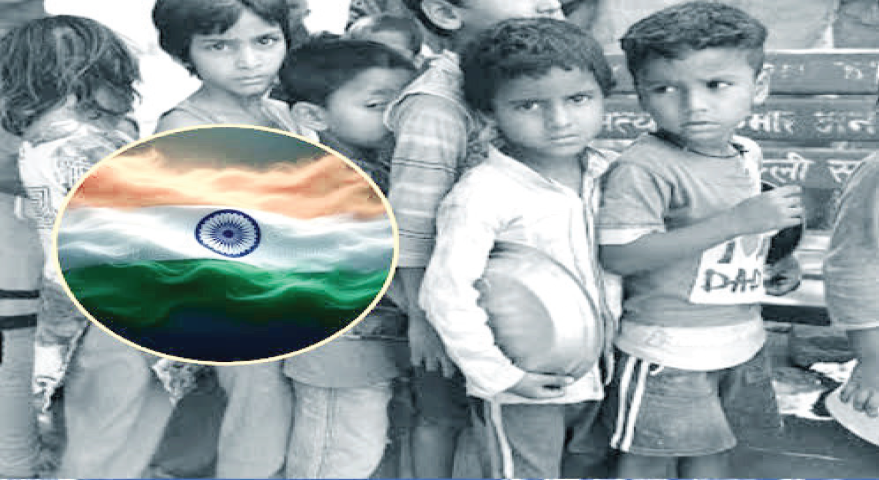
The greatest contradiction in Bihar’s politics today is that elections revolve around caste, while the concerns inside almost every household are education, employment, and migration. A farmer wants his son to become an engineer; a laborer wants his daughter to become a doctor; a middle-class family wants its child to have opportunities without being forced to leave Bihar. Yet as soon as elections arrive, the discussion shifts from schools to caste arithmetic. This is perhaps the greatest irony of our democracy.
Prashant Kishor has sought to challenge this contradiction through the symbol of the school bag. In political symbolism, this is an unusual intervention. The bag is not merely an object; it represents the child who walks to school every morning, the mother who dreams of a better future for that child, and the father who takes loans to pay for coaching and education. It represents aspiration. Kishor is trying to replace the language of caste identity with the language of educational opportunity. The political significance of this attempt should not be underestimated.
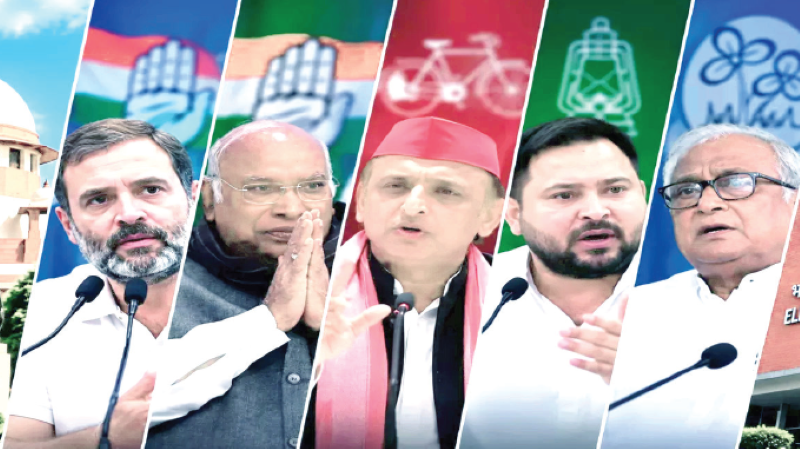
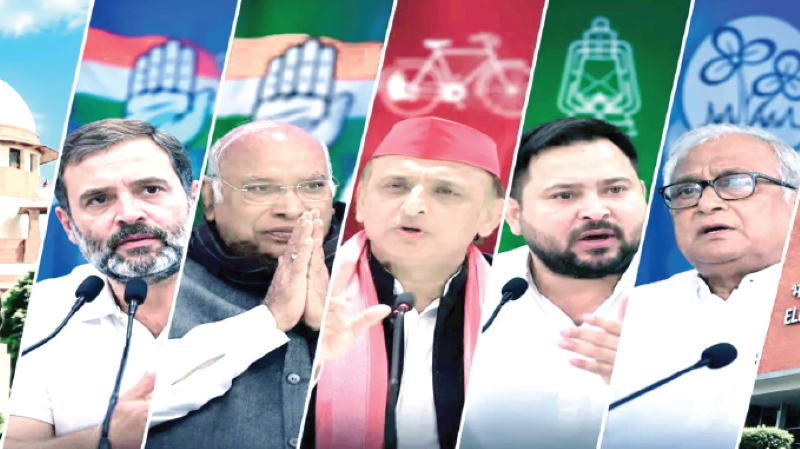
But can Bihar’s politics truly move beyond caste? History advises caution. Since the Mandal era, caste has not merely been an electoral formula; it has become the framework through which social justice, representation, and political power have been negotiated. For millions of marginalized communities, caste-based politics was the first instrument through which they gained a voice and a share in power. Therefore, any attempt to transcend caste cannot simply dismiss that historical experience. If the new politics ignores questions of representation, it will appear insensitive; if it becomes trapped entirely within caste equations, it will lose its claim of being new.
The deeper issue is that Bihar’s social structure and economic structure have moved in different directions. Society still remains heavily organized around caste networks, but the economy increasingly rewards skills, education, technology, and mobility. A young student preparing for a competitive examination in Patna, Delhi, or Kota competes with candidates from across the country. The examination paper does not ask for caste; it asks for knowledge. The job market rewards competence far more than traditional social identities. This gap between social politics and economic reality is widening every year.
That is why education has the potential to become a transformative political agenda. A government that genuinely improves government schools, teacher quality, digital access, higher education, and vocational training can alter the life chances of an entire generation. Education is one of the few public investments that simultaneously addresses inequality, productivity, migration, and social mobility. When parents across caste groups demand better schools, a common political interest begins to emerge. This is precisely the space that the school bag seeks to occupy.
However, symbols alone do not create revolutions. Bihar has seen many movements that began with moral energy and ended in electoral accommodation. The challenge before Prashant Kishor is not merely to raise a new slogan but to build institutions capable of delivering educational transformation. Who will recruit teachers transparently? Who will improve school infrastructure? Who will ensure learning outcomes rather than merely enrollment? Who will reform universities and technical education? Unless these questions receive concrete answers, the school bag risks becoming another campaign metaphor rather than a governing blueprint.
The response of established political parties will also be crucial. If they dismiss the education agenda as politically insignificant, they may underestimate the aspirations of a younger Bihar. The state has one of the youngest populations in India, and millions of first-generation learners now view education as the primary route to dignity and economic security. This demographic change may gradually weaken the monopoly of caste-based mobilization, though it is unlikely to eliminate it overnight.
Ultimately, Bihar does not need a politics without social justice; it needs a politics in which social justice and educational justice reinforce each other. Representation matters, but representation without quality education leaves the next generation trapped in the same structural disadvantages. Likewise, education without inclusion can reproduce inequality in new forms. The real breakthrough would be a political framework that combines dignity, opportunity, and institutional reform.
If Prashant Kishor can make education the central political issue, if he can elevate social development above caste arithmetic, and if he can transform his politics from a campaign into a durable institutional project, Bihar’s politics could indeed enter a new era. But if he too is eventually absorbed into the familiar pursuit of power, caste bargains, and electoral equations, history will remember him as yet another unfinished possibility.
Bihar today stands at a crossroads where the decision is not merely about an election; it is about the direction of society itself. The question is not simply who will hold power. The question is whether the next generation will inherit the flag of caste or the school bag of knowledge.
That alone will determine Bihar’s future.
(The author is a senior Hindi Professor at Aryabhatt College, Delhi University.)







[[comment.comment_text]]