Towards Social Equality

 1 year, 5 months ago
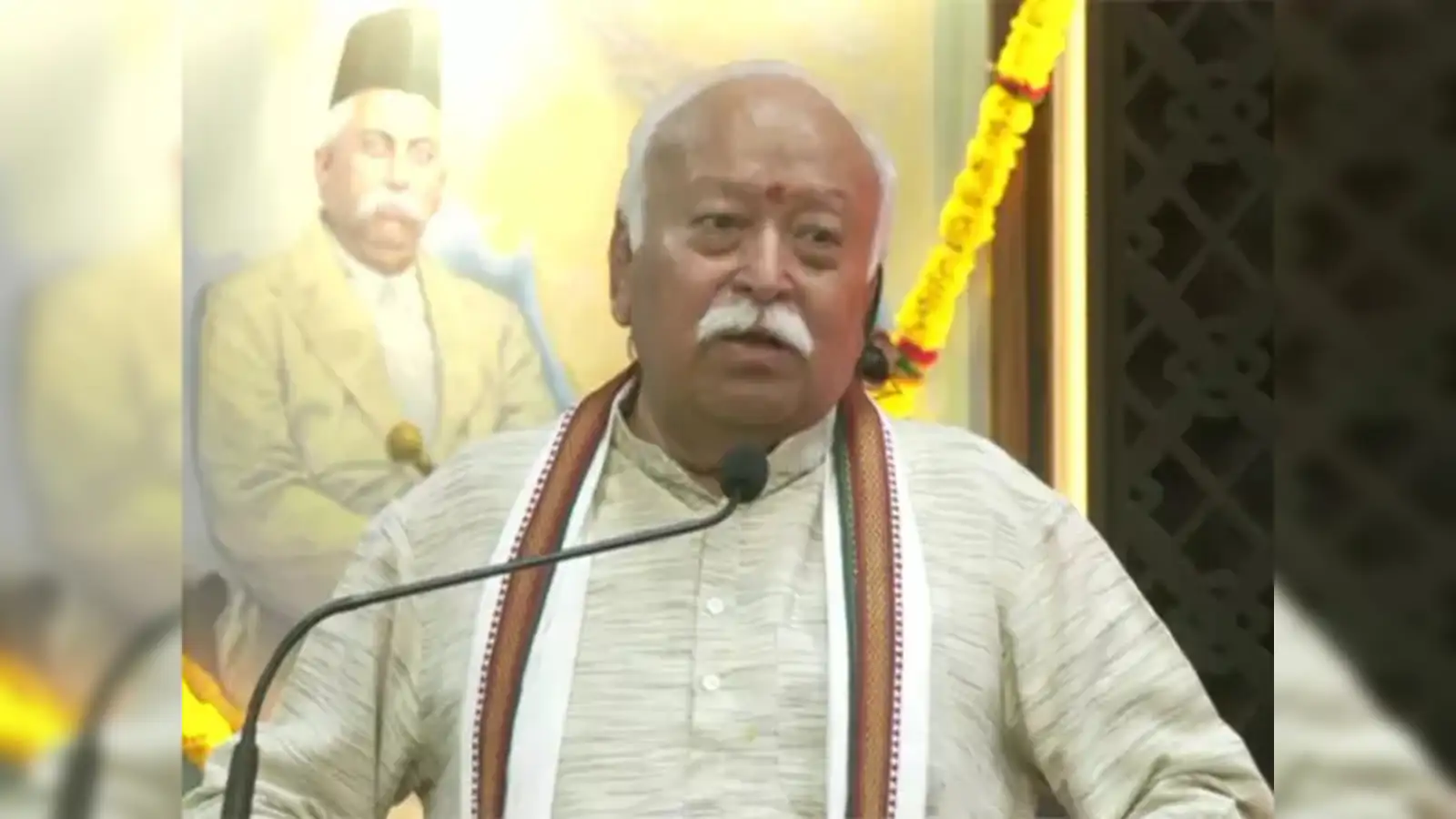
India, despite being the world’s largest democracy and a modern constitutional republic, continues to wrestle with the deeply entrenched legacy of caste-based discrimination. In this context, Rashtriya Swayamsevak Sangh (RSS) chief Mohan Bhagwat’s recent statement—"Ek Mandir, Ek Kuaan, Ek Shmashaan" (One Temple, One Well, One Cremation Ground)—serves as a significant reminder of how far Indian society still has to go in achieving genuine social harmony. This appeal, while symbolic in nature, highlights the persistent divisions that define day-to-day life for millions of Dalits and marginalized communities across the country.
The statement is rooted in historical reality. For centuries, Dalits have been denied access to common social and religious spaces such as temples, public wells, and even cremation grounds. These spaces—integral to spiritual, domestic, and communal life—have long served as instruments of exclusion, maintaining caste hierarchies through segregation. Bhagwat’s appeal, therefore, isn’t just rhetorical; it challenges the very social fabric that has normalized such exclusion.
Despite the abolition of untouchability under Article 17 of the Indian Constitution and the enactment of protective laws like the Scheduled Castes and Scheduled Tribes (Prevention of Atrocities) Act, 1989, caste-based discrimination remains pervasive. Recent data reveals the alarming extent of this issue. Between 2018 and 2022, the National Commission for Scheduled Castes (NCSC) received more than 47,000 complaints of caste-related atrocities. These include cases of physical violence, land disputes, discrimination in government services, and denial of access to public facilities. According to the National Crime Records Bureau (NCRB), over 50,000 cases of crimes against Scheduled Castes are recorded annually. Such statistics indicate that the problem is systemic and not limited to isolated regions.
What makes the problem even more concerning is the social normalization of caste hierarchies. In many parts of rural India, discrimination is not even considered unjust or immoral; instead, it is seen as part of the traditional order. This mindset makes reform particularly difficult. For instance, incidents such as a Dalit groom being beaten for riding a horse in Agra in 2024 or a similar attack in Damoh, Madhya Pradesh in 2023, reveal the deep discomfort that still exists with any disruption of caste norms. Even religious spaces remain exclusionary. In Gidhagram, West Bengal, when Dalits were allowed entry into a Shiva temple for the first time in centuries, a section of the local population protested, reflecting the ongoing resistance to change.
Mohan Bhagwat’s appeal gains greater importance in this backdrop. His emphasis on shared community spaces, inter-caste participation in festivals, and social inclusion is an effort to address not just the visible symptoms but the deeper social psychology that sustains caste discrimination. The idea that Hindus, regardless of caste, should worship together, draw water from the same well, and be cremated in the same ground, is a powerful push toward unity. These actions, if widely adopted, would not only challenge centuries-old traditions but also affirm the shared humanity and dignity of all individuals.
One of the reasons why caste continues to persist so strongly in India is the interplay between social tradition and political expediency. Caste has long served as a tool for political mobilization, with parties using caste identities to gain electoral advantage rather than dismantle them. This has led to a situation where caste is simultaneously a source of oppression and political power, depending on one’s position in the hierarchy. As a result, even well-intentioned policies like reservation and affirmative action have had limited success in eradicating caste-based prejudice.
For real change to occur, the effort must go beyond slogans and political statements. Education is crucial—both in terms of awareness and moral values. Schools must teach the history and consequences of caste discrimination, and communities must be engaged in conversations that challenge prejudiced thinking. Religious and social institutions also have a role to play. Temples must become inclusive spaces, and festivals must be occasions that celebrate not just culture but also equality.
Bhagwat’s call for unity must also be seen in the context of India’s aspirations on the global stage. As the country positions itself as an emerging superpower in the 21st century, internal social cohesion is essential. A nation that still grapples with social exclusion cannot hope to become a true global leader. Caste divides do not just hurt the dignity of individuals—they weaken the country’s social and economic fabric. They reduce productivity, restrict social mobility, and hinder the sense of shared national purpose.
The RSS chief's reminder that “society cannot change itself” is both a caution and a call to action. Breaking down the rigid boundaries of caste requires sustained, collective efforts. These must come not only from Dalits fighting for their rights but from all sections of society, including those who have traditionally held power. Political, ideological, or religious differences should not be allowed to obstruct the cause of equality. Unity is not only a moral imperative; it is also a national necessity.
Mohan Bhagwat’s “One Temple, One Well, One Cremation Ground” appeal is not just a social message—it is an urgent call for transformation. True equality will only come when these ideas are implemented on the ground and are backed by policy, education, and mass participation. Until then, the dream of an inclusive India will remain incomplete.
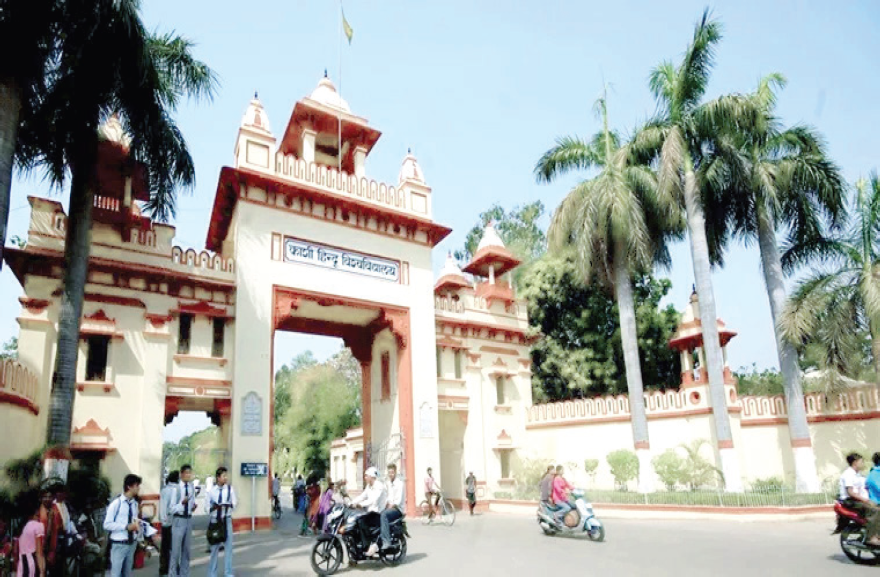
(Author is a well-recognised author and columnist. For past over three decades, he has served in various administrative and academic capacities at Banaras Hindu University).


[[comment.comment_text]]