Ceasefire & Sindoor


 1 year, 5 months ago
Not Every War Ends with a Winner.
It began in familiar fashion: accusations, denials, emotional rhetoric, and then the sudden stillness that precedes escalation. This wasn’t just another flare-up along the Line of Control. It was the beginning of what looked like a dangerous drift toward full-scale conflict between India and Pakistan.
And then, as has happened too many times before, the United States intervened — not with troops or treaties, but with a call and a tweet.
Behind the sudden ceasefire declared on May 10 lies a story of sharp maneuvering, limited strikes, and a regional dynamic still mired in mistrust.
India’s military operation, dubbed unofficially as “Operation Sindoor,” was swift and targeted. On May 7, nine tactical strikes were conducted across the LoC. The message was precise: deterrence, not escalation. Indian officials stressed that they were not interested in war, only in enforcing a cost on the architects of cross-border terrorism. Five high-value targets were reportedly neutralized, and their names were made public — a rare departure from past reticence.
Pakistan’s response followed its familiar playbook: deny the damage, retaliate selectively, and frame the incident as provocation. The LoC once again became a theater of reactive symbolism — strike and counterstrike, shot and echo. Neither side claimed casualties openly, but the rhetoric pointed toward significant discomfort on both fronts.
India, however, made a rhetorical pivot. The Ministry of Defence signaled a new doctrine: any terror strike on Indian soil would be treated as an act of war. No dossiers, no diplomatic handwringing. The policy now speaks through payloads, not press conferences.
And then came the message from Washington.
Donald Trump, freshly returned to political prominence, posted on Truth Social that India and Pakistan had agreed to an “immediate and complete ceasefire.” It was confirmed within the hour by India’s Foreign Secretary and echoed by U.S. Secretary of State Marco Rubio. Just like that, a potential flashpoint was neutralized. There was no official summit, no televised handshake. A regional standoff was defused with a smartphone notification.
Yet the strategic calculus didn’t end with the ceasefire.
India gained operational success and projected a hardened posture. It demonstrated a capacity for precision retaliation and left little ambiguity in its red lines. But domestically, the abrupt end to hostilities left many wondering whether the campaign had been prematurely cut short. The emotional catharsis sought by a war-weary public — and media industry — never arrived.
Pakistan, for its part, lost critical assets and suffered reputational damage. Its denials rang hollow, particularly in the face of publicized militant deaths. Yet it sidestepped a broader war it was financially and militarily ill-equipped to fight. The ceasefire came just one day after the IMF approved a long-sought \$1 billion bailout. Whether coincidental or coordinated, the timing did not go unnoticed.
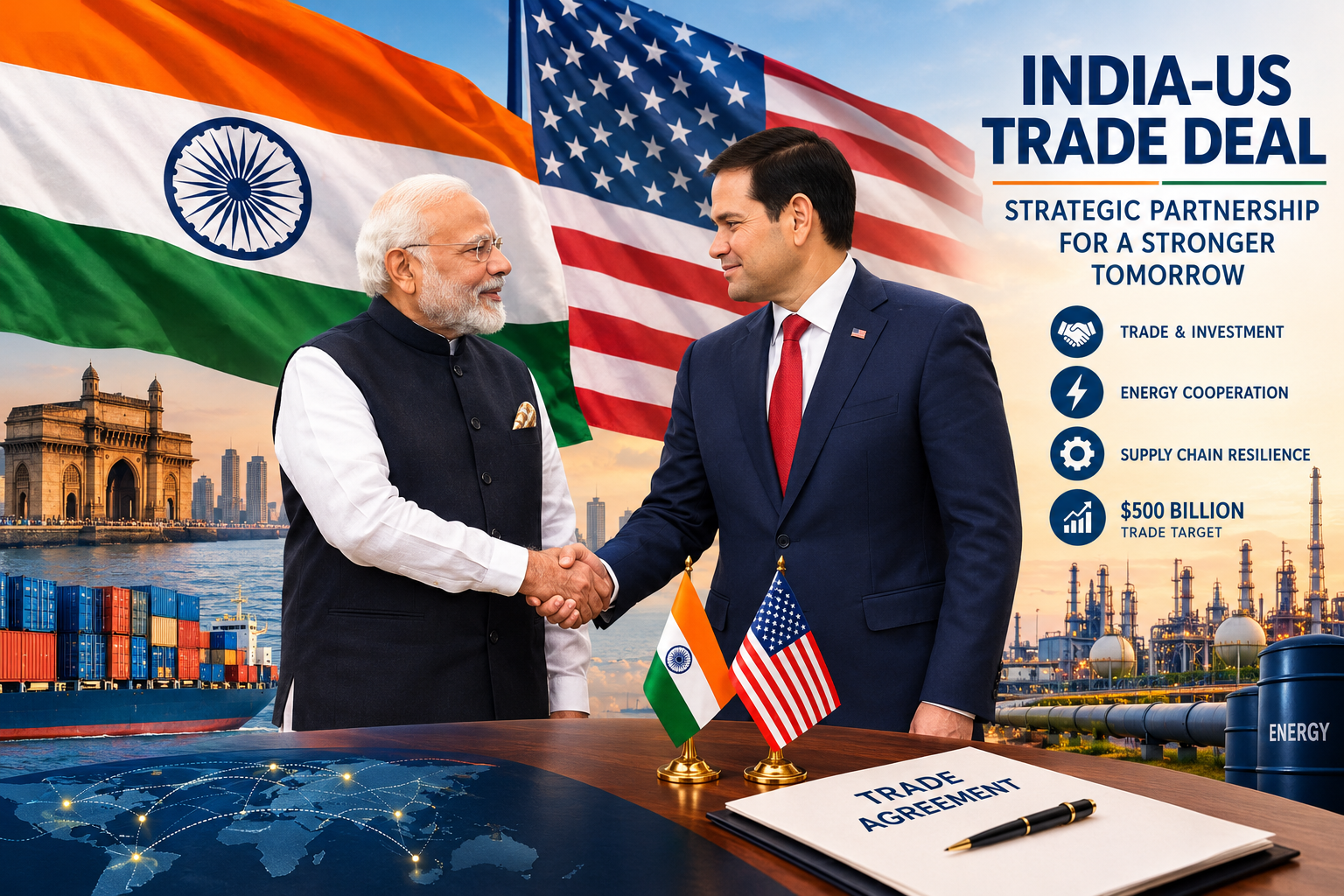
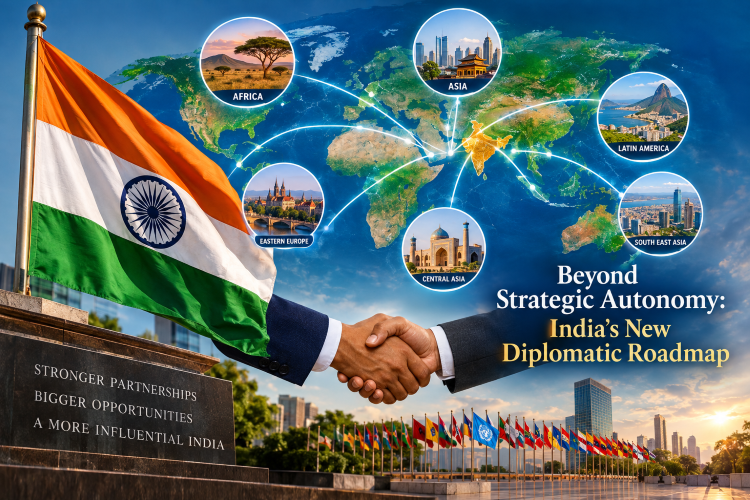
Washington emerged, once again, as the indispensable actor. Trump, long underestimated in diplomatic circles, seized the moment to reposition himself as a global stabilizer. The U.S. reasserted its relevance in a region that has increasingly leaned toward strategic autonomy. With neither boots on the ground nor formal mediation, it nudged two nuclear powers away from the brink.
But peace remains a mirage.
India has clarified that the ceasefire is not a gateway to normalization. No talks on trade, sport, or culture are on the table. Even the Indus Waters Treaty — often cited as a pillar of stability — is now under review. What was once untouchable is now a tool of pressure. Strategic ambiguity is giving way to calculated leverage.
Within Pakistan, the aftershocks are political. Military leadership is under scrutiny. General Asim Munir faces internal dissent, while the civilian leadership focuses on economic survival. The ceasefire may have spared Islamabad a military crisis, but at the cost of further undermining its institutional confidence.
And then there is the media — particularly in India — which had geared up for high-octane coverage, only to find the conflict suddenly over. The war-room sets were dismantled. The patriotic music cues were shelved. A narrative arc was interrupted mid-climax.
The real issue is unresolved. While the guns may have fallen silent, the structure of hostility remains. India’s clarity came at the cost of closure. Pakistan’s avoidance came at the cost of credibility. America’s mediation came at the cost of deeper engagement in a region that often defies tidy endings.
Because in South Asia, wars rarely conclude with treaties. They end — if they do at all — with something far harder to achieve: trust.
And that is still very far away.






[[comment.comment_text]]