Hunger Amid Plenty

 5 days, 11 hours ago
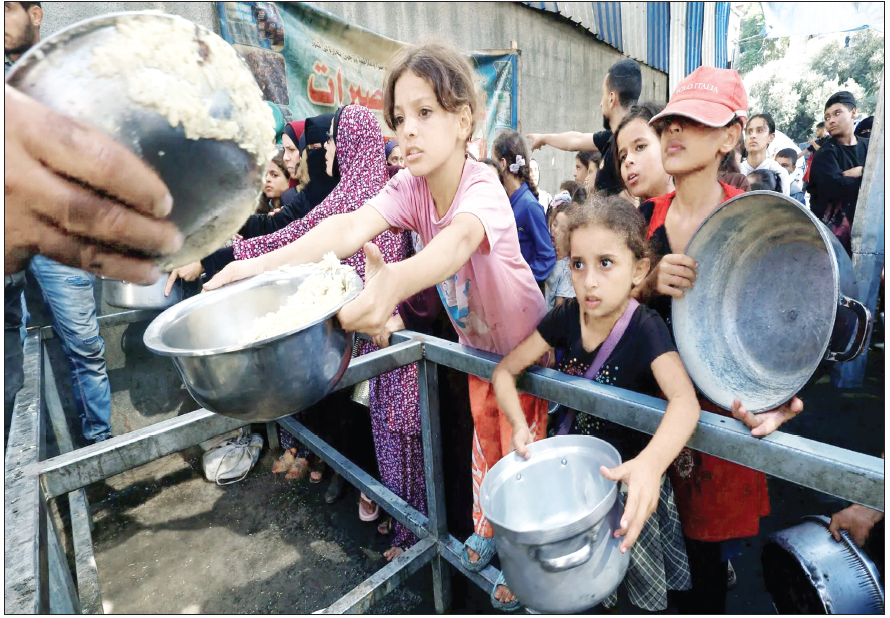
The world produces enough food to feed its population, yet millions go hungry and billions cannot afford a healthy diet. On World Food Day 2026, the central question is no longer simply how to produce more food, but how to make nutritious food accessible to everyone in a world strained by conflict, climate change, water scarcity and inequality.
Hunger remains one of humanity’s most persistent contradictions. Advances in agricultural science, mechanisation and food distribution have dramatically increased the world’s capacity to produce food, yet malnutrition and food insecurity continue to affect billions. The problem is not merely insufficient production; it is also poverty, unequal access, inefficient supply chains and the failure of public policies to protect vulnerable populations. As the global population grows and natural resources come under increasing pressure, ensuring universal access to nutritious food has become both a humanitarian imperative and a test of sustainable development.
Observed annually on October 16, World Food Day commemorates the founding of the Food and Agriculture Organization of the United Nations (FAO) in 1945. Its purpose is to mobilise governments, institutions, farmers and citizens to combat hunger and improve nutrition. The 2026 theme, “Innovate Today. Nourish Tomorrow,” underscores the need to combine scientific advances with sustainable agriculture, efficient resource management and inclusive food policies. Innovation must extend beyond higher crop yields to encompass climate-resilient farming, affordable nutrition, reduced food waste and better access to markets.
The latest available figures demonstrate the scale of the challenge. According to the State of Food Security and Nutrition in the World 2025 report, approximately 673 million people faced hunger in 2024, representing 8.3 per cent of the global population. Around 2.3 billion people experienced moderate or severe food insecurity, while 2.6 billion could not afford a healthy diet. Despite some improvement in global hunger levels, progress remains uneven. If current trends persist, nearly 512 million people could still face hunger in 2030, with almost 60 per cent of them living in Africa.
These figures expose the limitations of measuring food security through production alone. A country may generate substantial agricultural surpluses while millions of its citizens cannot afford adequate meals. Low incomes, unemployment, inflation and inadequate social protection prevent food from reaching those who need it most. Moreover, hunger is not the only concern. Millions consume sufficient calories but lack essential proteins, vitamins and minerals. According to estimates published jointly by UNICEF, the World Health Organization and the World Bank, 150.2 million children under five suffered from stunting and 42.8 million from wasting in 2024. These conditions can impair physical development, weaken immunity and undermine educational attainment, perpetuating poverty across generations.
Conflict, economic instability and climate change are making the situation more difficult. Wars destroy farmland, displace farming communities and disrupt the transport of food, fuel and fertilisers. The Russia-Ukraine war exposed the vulnerability of international grain and agricultural supply chains, while the conflict in Gaza and wider instability in West Asia have demonstrated how violence and restrictions on essential supplies can intensify humanitarian emergencies. For countries dependent on imported food and agricultural inputs, such disruptions can translate into higher prices and greater hardship.
Economic shocks compound these pressures. When wages fail to keep pace with food inflation, households reduce meal sizes or turn to cheaper, less nutritious alternatives. Small farmers face rising costs for seeds, fertilisers, irrigation and transport, often without receiving proportionately higher prices for their produce. Climate change intensifies these difficulties through droughts, floods, heatwaves and unpredictable rainfall, threatening harvests and rural livelihoods. A failed harvest can push a farming household into debt, while repeated shocks can force families to sell productive assets. Hunger is therefore not an isolated crisis but the outcome of interconnected economic, environmental and political failures.
Water scarcity is another major threat to food production. Agriculture accounts for approximately 72 per cent of global freshwater withdrawals, according to the FAO. Groundwater depletion, pollution, inefficient irrigation and changing rainfall patterns are reducing the reliability of water supplies in many regions. The FAO has also reported a decline of more than 20 per cent in freshwater resources available per person over the two decades examined in its 2020 assessment.
Improving water-use efficiency is essential to sustaining agricultural production. Drip irrigation, rainwater harvesting, watershed restoration, drought-resistant crop varieties and better soil-moisture management can reduce unnecessary consumption. Governments must also discourage water-intensive cultivation where local resources cannot sustain it and encourage suitable crop diversification. Without effective regulation and community participation, technological improvements alone may fail to prevent groundwater depletion and long-term ecological damage.
Fisheries and aquaculture also make an important contribution to food security. Fish and other aquatic foods provide protein and essential micronutrients while supporting the livelihoods of more than 600 million people worldwide, according to the FAO. However, pollution, habitat destruction, overfishing and climate change threaten both aquatic ecosystems and the communities dependent on them. Sustainable fisheries management, protection of breeding grounds and responsible aquaculture are essential to preserving affordable sources of nutrition and employment.
Food loss and waste represent another major inefficiency. The FAO estimates that approximately 13.2 per cent of food is lost after harvesting and before reaching retail, while the United Nations Environment Programme estimated that 19 per cent of food available to consumers was wasted at retail, food-service and household levels in 2022. Poor storage, inadequate cold-chain facilities, weak transport networks and inefficient market systems contribute to losses, particularly for small farmers. Investment in warehouses, refrigerated transport, food processing and better market access can improve farmers’ incomes while increasing the quantity of food reaching consumers. Reducing avoidable waste would also conserve water, land and energy and lower greenhouse gas emissions.
Food availability must be accompanied by food safety. The World Health Organization’s updated estimates, released in June 2026, indicate that unsafe food causes approximately 866 million illnesses and 1.52 million deaths annually. Children under five account for an estimated 143,000 deaths, based on the 2021 figures used in the report. Contaminated food and unsafe water can worsen malnutrition and impose additional healthcare costs on vulnerable households. Stronger food inspection, hygienic handling, reliable testing and effective sanitation systems are therefore indispensable to food security.
India illustrates the distinction between agricultural production and nutritional security. Extensive grain procurement and public food distribution programmes have helped protect vulnerable households from extreme deprivation. Nevertheless, challenges persist in child nutrition, maternal health, dietary diversity and access to affordable nutritious food. National averages can conceal serious local inequalities, particularly in rural and economically disadvantaged communities.
India must strengthen the link between agricultural policy and nutritional outcomes. Public distribution and nutrition programmes should be assessed not only by the quantity of food delivered but also by their coverage, reliability and contribution to dietary quality. Investment in irrigation, agricultural research, rural roads, storage and local food processing can improve farm incomes and reduce losses. Small and marginal farmers need affordable credit, crop insurance, reliable weather information and remunerative markets. Women farmers also require better access to land rights, technology, training and institutional support.
The 2026 World Food Day theme offers an opportunity to rethink how innovation can deliver measurable results. Digital agricultural advisories and weather forecasting can help farmers make informed decisions, while improved seed varieties can strengthen resilience to heat and drought. Better storage and transparent markets can reduce waste and improve returns. Traditional practices such as rainwater harvesting, mixed farming and agroforestry can complement modern research. However, innovation will have limited impact if small farmers cannot afford new technologies or if their benefits remain concentrated among large agricultural enterprises.
International cooperation is equally important. Governments must strengthen humanitarian supply chains, support climate adaptation in vulnerable countries and reduce avoidable disruptions to essential food and agricultural trade. Developing nations require investment in resilient infrastructure, agricultural research and social protection. The international community must also intensify efforts to achieve Sustainable Development Goal 2, which seeks to end hunger, achieve food security, improve nutrition and promote sustainable agriculture by 2030. Current trends indicate that the world remains far from achieving this objective within the agreed timeframe.
Adequate food is fundamental to human dignity, health and life. The Universal Declaration of Human Rights recognises the right to an adequate standard of living, including food, while the International Covenant on Economic, Social and Cultural Rights recognises the fundamental right to freedom from hunger. These commitments require governments to establish effective social protection, reliable food distribution, accessible healthcare and livelihood opportunities. Transparent monitoring, measurable targets and adequate funding are necessary to ensure that vulnerable communities are not excluded.
World Food Day must serve as more than an annual reminder of a persistent crisis. It should be an opportunity to evaluate whether governments and international institutions are translating commitments into tangible improvements. The world possesses the knowledge and productive capacity to make substantial progress against hunger. What remains inadequate is the ability to distribute food fairly, make nutritious diets affordable, protect natural resources and shield vulnerable populations from conflict and economic shocks.
The real measure of food security is not how much the world produces, but whether everyone can afford and access a safe, nutritious meal. Ending hunger requires sustained investment in farmers, responsible water management, effective public policy and international cooperation. Until food systems place human nutrition and equitable access at their centre, the promise of a hunger-free world will remain unfulfilled.
(Author is senior journalist and commentator on current affairs.)










[[comment.comment_text]]