The Midterm Mandate: How a Democratic Congress Plans to Reclaim Sanctions and Aid for Kyiv

 2 hours ago
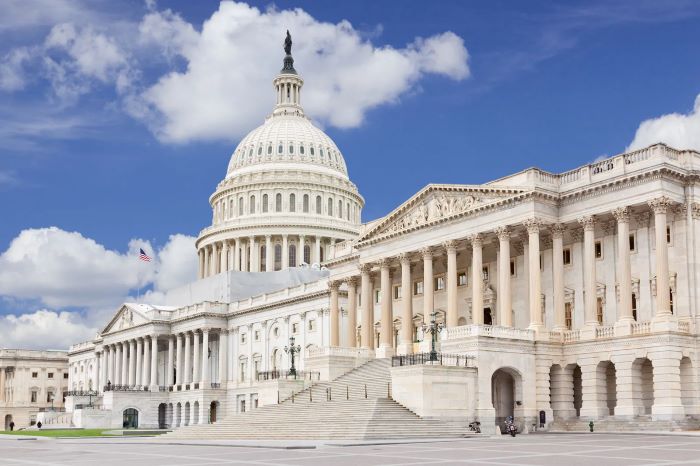
The recent midterm election results have drastically reshaped Washington’s political landscape, delivering control of both chambers of Congress to the Democrats and creating a fresh counterweight to Donald Trump’s foreign policy agenda. With negotiations between the US, Russia, and Ukraine set to convene in Abu Dhabi, Capitol Hill is preparing to assert its influence. Democratic lawmakers are already leveraging their spending and oversight powers to rebuild momentum for Kyiv, drafting a new $15 billion security assistance package aimed at bolstering Ukraine’s defense capability.
This legislative pivot arrives at a precarious moment for Ukraine, which faces what could be its harshest winter of the war. Devastating Russian attacks on critical energy infrastructure, paired with a severe shortage of Patriot interceptor missiles, have left the nation's grid vulnerable. In response, advocates for Kyiv are focusing heavily on the ongoing lame-duck period, urging lawmakers to attach crucial energy aid, interceptor missiles, and sanctions protections to the upcoming National Defense Authorization Act (NDAA) before the current Congress concludes.Central to Congress's new strategy is reversing executive waivers that weakened existing legislative measures.
After President Trump invoked waivers to exempt Moscow from sanctions key to a recent Russian diesel trade deal, Democratic aides signaled immediate plans to amend and tighten the Lindsey Graham sanctions law. Beyond financial measures, lawmakers are expanding oversight over key infrastructure, notably ordering Elon Musk to preserve records following an unexplained slowdown in the Starlink satellite communications network that disrupted Ukrainian defenses.
The shifted power dynamic also sets the stage for aggressive oversight into administration figures and negotiations. House and Senate committees intend to use subpoena powers to scrutinize the foreign diplomatic and business activities of administration envoys, including Steve Witkoff and Jared Kushner. While White House officials maintain that their focus remains on ending the war and achieving regional stability, Congressional leaders are determined to ensure that diplomatic negotiations do not compromise long-term strategic and anti-sanction objectives.
A sustaining long-term US support for Kyiv will require navigating complex domestic politics. Foreign policy remains predominantly a presidential prerogative, and without a two-thirds supermajority, Democrats cannot easily override executive vetoes. Furthermore, with the departure of key Senate Republicans who historically championed Ukrainian aid, advocates face the urgent task of building new bipartisan alliances. For Ukraine, avoiding further concessions or sanctions rollbacks will depend entirely on how effectively this divided government can balance executive diplomacy with legislative oversight.







[[comment.comment_text]]