Niyamgiri Hills: The Battle for Tribal Self-Determination and Resource Justice

 an hour ago
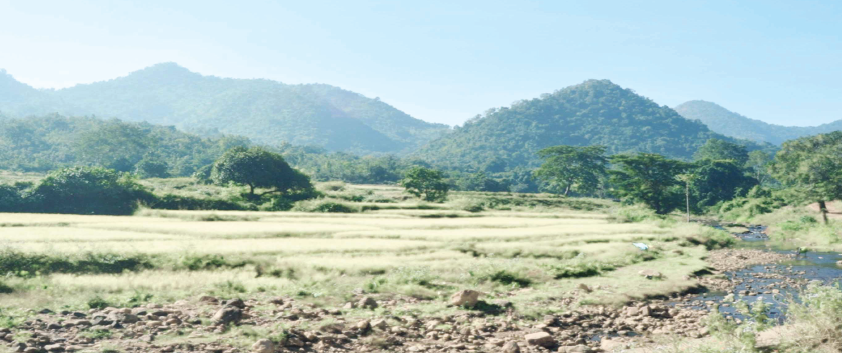
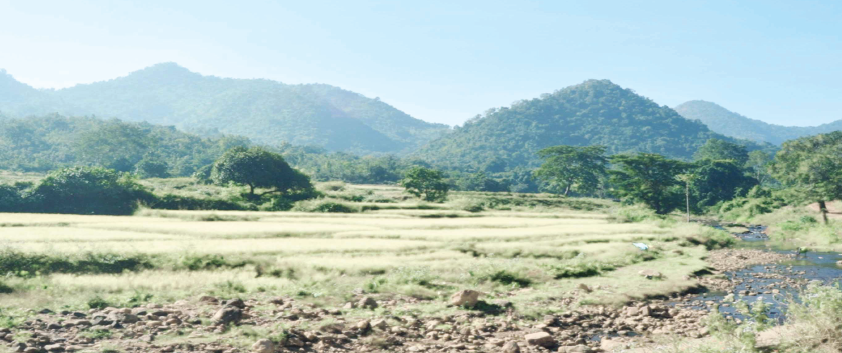
For the Dongria Kondh community inhabiting the Niyamgiri hills, nature is not merely a collection of exploitable resources
The struggle unfolding in Odisha’s Niyamgiri hills is about far more than opposition to bauxite mining. It raises a fundamental question about Indian democracy: how much authority do tribal communities have over their land, forests, mountains, water sources and cultural heritage? Should development be measured primarily through corporate investment, mineral production and industrial expansion, or should it also recognise the wishes of communities whose lives, identities and livelihoods are inseparably connected with these natural resources? Niyamgiri has emerged as a defining test of this democratic choice.
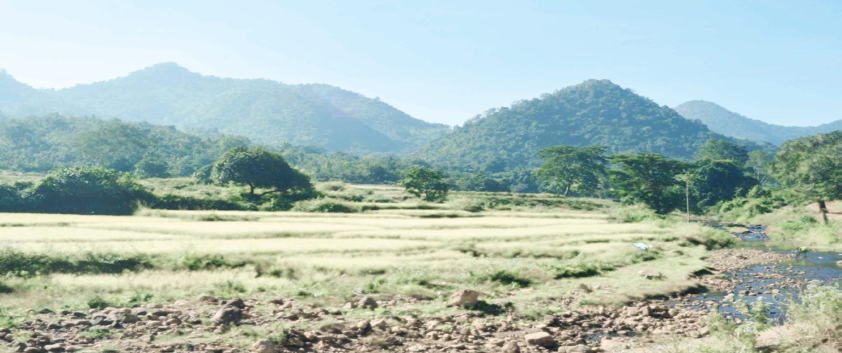
For the Dongria Kondh community inhabiting the Niyamgiri hills, nature is not merely a collection of exploitable resources. The mountains, forests, streams and biodiversity constitute the foundation of their existence, religious beliefs and collective identity. Niyam Raja, the presiding deity of the hills, occupies a central place in their spiritual world. Protecting the mountains is therefore not simply an environmental concern; it is a cultural obligation and a question of survival. Their resistance to bauxite mining reflects the determination to defend an entire way of life against the possibility of displacement and ecological destruction.
The recent protests at Muniguda, situated near the Niyamgiri foothills, have brought this conflict into sharper focus. Hundreds of villagers demonstrated demanding the release of Niyamgiri Suraksha Samiti president Lada Sikaka and Dr Randall Sequeira, a member of the Medico Friends Circle. Their arrests have generated considerable concern among people associated with the anti-mining movement. Dr Sequeira has reportedly been involved in medical services among Adivasi and Dalit communities in remote parts of Odisha and Jharkhand for the past seven years. The allegations leading to these arrests must be examined impartially. In a democracy, an accusation cannot be treated as proof of guilt. The right to a fair investigation and due legal process must be protected.
At the centre of the controversy is the proposed bauxite mining project associated with the Vedanta Group. In September 2026, industrialist Anil Agarwal met Odisha Chief Minister Mohan Charan Majhi and reportedly sought the revival of mining activities in Niyamgiri. He also announced investment plans worth Rs 1 lakh crore in mining, refining and manufacturing industries in the state. The company's argument is that industrial expansion would generate employment, strengthen the economy and bring tribal communities into the development process. Agarwal has also claimed that local gram sabhas have unanimously supported mining.
However, the Niyamgiri Suraksha Samiti and sections of the local population have disputed this assertion. They allege that attempts are being made to obtain legitimacy for mining without the genuine consent of the affected communities. Allegations concerning questionable meetings and signatures have also emerged. These claims require an independent investigation. Corporate investment proposals, however substantial, cannot substitute for the informed consent of the people whose land and natural resources are at stake. The essential question is not merely how much investment a project promises, but whether the people who will bear its consequences genuinely support it.
Niyamgiri's history makes this controversy particularly significant. On April 18, 2013, the Supreme Court delivered a landmark judgment in the Orissa Mining Corporation case. It recognised the authority of gram sabhas under the Forest Rights Act, 2006, to determine whether the proposed mining would affect the religious, cultural and community rights of the Dongria Kondh and other forest-dwelling communities. Subsequently, twelve gram sabhas conducted in July and August 2013, under judicial supervision, unanimously rejected the proposed bauxite mining project.
That decision became a landmark in India's struggle for community rights and grassroots democracy. It established that development projects affecting the religious and cultural rights of tribal communities cannot proceed by disregarding the authority of their gram sabhas. The verdict also demonstrated that constitutional democracy must recognise the collective rights of communities rather than treating them merely as beneficiaries of government policies.
For the Dongria Kondh, the mountains are not interchangeable pieces of land that can be replaced through monetary compensation. Their forests provide food, medicinal plants, fuel and other necessities. Mountain streams sustain agriculture and village life. The ecological balance of the hills supports biodiversity and the livelihoods of surrounding communities. Large-scale mining could disrupt natural drainage systems, damage forest ecosystems and affect water availability. Such consequences cannot be adequately measured through projected revenues or investment figures.
Supporters of mining argue that Odisha, with its substantial mineral reserves, needs industrial development to generate employment, revenue and infrastructure. This economic argument deserves consideration. However, it also raises a more fundamental question: who benefits from development, and who pays its price? Companies may obtain access to valuable minerals, while the state receives revenue and industrial activity expands. Local communities, meanwhile, may face displacement, pollution, livelihood insecurity and social disruption. Moreover, increasing mechanisation in mining means that large investment does not necessarily translate into permanent employment for local people.
Odisha Congress president Bhakta Charan Das has raised questions about the unequal distribution of benefits from the state's natural resources. He has argued that the resources of Odisha should serve public interests rather than merely corporate priorities. Referring to the state's contribution through its water resources, railway infrastructure and mineral wealth, he has questioned whether local people receive an equitable share of the benefits generated from their own resources. His position brings an important dimension to the Niyamgiri debate: resource ownership and resource justice cannot be separated from the question of democratic accountability.
Das has also demanded payment of an alleged Rs 10,000 crore outstanding amount by NALCO. He has argued that companies benefiting from mineral resources must fulfil their financial responsibilities towards the state and affected communities. Families displaced or affected by mining and industrial projects, including those around Damanjodi, should receive a fair share of the wealth generated from these resources. The larger concern is that many families who have surrendered their land and property continue to struggle for livelihoods despite the promises associated with industrial development.
This is not an isolated concern confined to Niyamgiri. It reflects a wider contradiction in Odisha's mineral-based economy. If industries derive substantial benefits from the land, water and minerals of a particular region, why should local residents bear the disproportionate burden of displacement and environmental degradation? Rehabilitation, compensation and employment are important, but they are not sufficient. Affected communities should also have a meaningful share in the long-term economic benefits generated by the exploitation of their natural resources.
The controversy is spreading beyond Niyamgiri. In the Rayagada and Kalahandi districts, opposition to proposed bauxite mining in areas such as Sijimali and Kutrumali has also emerged among tribal and farming communities. These movements raise similar questions about consent, land rights and the authority of gram sabhas. Can mining projects be advanced without the genuine participation of the people whose lives will be directly affected? Can institutions established to protect community interests be reduced to administrative formalities?
The arrests of activists in October 2026 have further intensified concerns. Protesters allege that police action is being used to discourage opposition to mining. The police, on the other hand, have cited allegations connected with criminal incidents. Both the allegations and the circumstances of the arrests must be examined according to law. If violence has occurred, responsibility must be established through evidence and due process. However, peaceful protest, criticism of government policy and democratic dissent cannot be treated as criminal activities merely because they challenge powerful economic interests.
Bhakta Charan Das has demanded the immediate release of Dr Randall Sequeira, tribal leader Lada Sikaka, and other protesters, including those associated with the movement. He has also indicated that the Congress will take up the issue with other constituents of the INDIA bloc through democratic programmes and public mobilisation. This has brought the Niyamgiri struggle into a wider political debate about tribal rights, corporate accountability and the distribution of natural wealth in Odisha.
The Forest Rights Act, 2006, and the Panchayats (Extension to Scheduled Areas) Act, 1996, commonly known as PESA, are particularly important in this context. The Forest Rights Act recognises individual and community forest rights of Scheduled Tribes and other traditional forest dwellers. PESA provides gram sabhas in Scheduled Areas with an important role in protecting customary practices, cultural identity and community resources. Their purpose is not to provide a ceremonial appearance of consultation. They are intended to strengthen the decision-making authority of local communities.
The consent of a gram sabha must be free, prior and informed. It is essential to establish where meetings were held, who participated, whether information about the proposed project was provided in a language understood by the community and whether dissenting voices were heard. Collecting signatures cannot, by itself, establish genuine democratic consent. Communities must have access to complete information about the environmental, social and economic consequences of a project. Any dispute concerning the authenticity of a gram sabha resolution deserves independent scrutiny.
It is equally important to recognise that tribal communities are not opposed to development. They want better schools, healthcare, roads, electricity, livelihood opportunities and access to public services. Their objection is to a model of development that demands the destruction of their land, culture and identity as its price. Sustainable agriculture, fair prices for minor forest produce, community-based forest management, local processing industries and investment in education and healthcare can generate economic opportunities without uprooting communities from their ancestral territories.
Chief Minister Mohan Charan Majhi himself belongs to a tribal community. However, the protection of tribal interests must be judged by government policies and administrative decisions, not merely by the social background of political leaders. The state government has every right to consider investment and industrial proposals, but such decisions must respect constitutional safeguards, the authority of gram sabhas and the Supreme Court's 2013 judgment.
Niyamgiri also carries an important message for Jharkhand, Chhattisgarh and other tribal-dominated regions of India. Communities living in mineral-rich areas frequently face disputes over forest rights, displacement and environmental destruction. In Jharkhand, where the struggle for jal, jangal and zameen was central to the movement for statehood, the Niyamgiri experience has particular relevance. The right of local communities to participate in decisions concerning natural resources is not an obstacle to development; it is an essential condition of democratic governance.
The immediate priority should be an impartial review of the arrests and police action, verification of the disputed gram sabha decisions and respect for the spirit of the Supreme Court's 2013 judgment. Mining-affected families must receive fair rehabilitation and a just share in the benefits generated from natural resources. No project should advance without addressing forest rights, environmental consequences and the genuine consent of the affected communities.
Ultimately, development cannot be measured solely through GDP growth, mineral production or corporate investment. Its real value lies in the extent to which it improves the lives of ordinary people, particularly those belonging to historically marginalised communities. If economic prosperity requires people to surrender their land, cultural identity and traditional livelihoods, the development model itself must be questioned.
The Dongria Kondh of Niyamgiri are asking a question that goes to the heart of India's constitutional democracy: can a mountain that sustains their faith, culture and existence be reduced to a mineral deposit simply because it contains bauxite? The answer will reveal how seriously the country takes tribal self-determination, environmental justice and community rights.
The natural wealth of Odisha must serve the interests of its people. That principle requires more than recognising the presence of communities in mineral-rich territories. It demands their decisive participation in the protection, use and distribution of the benefits arising from those resources. The struggle for Niyamgiri is therefore not merely a confrontation with a mining company. It is a test of India's commitment to constitutional values, ecological responsibility and the dignity of its indigenous communities. Development can be meaningful only when it creates space for both human dignity and the natural world.
(The author, a senior journalist of Bihar, is a known commentator on governance, development, and diversity issues.)


[[comment.comment_text]]