Jharkhand’s Emergency Healthcare Under Pressure: 108 Ambulance Strike Exposes Gaps in Public Health Delivery

 an hour ago
Jharkhand's public healthcare system is facing a serious operational challenge as the statewide indefinite strike by employees of the 108 ambulance service has disrupted emergency patient transportation, raising concerns over the availability of timely medical assistance, particularly in rural and remote areas. Nearly 2,000 ambulance drivers and Emergency Medical Technicians (EMTs) reportedly stopped work from 8 pm on November 18. On Thursday, protesting employees gathered outside the National Health Mission (NHM) headquarters at Namkum in Ranchi. Demonstrations were also reported from districts including Hazaribagh and Dhanbad. The immediate issue behind the protest is the alleged non-payment of salaries for three months, from August to October 2026, along with claims of arbitrary salary deductions since February 2025. The employees are also demanding job security, minimum wages, EPF, ESIC, insurance and bonus benefits. The developments have brought an important question to the forefront: when emergency healthcare services depend on contractual manpower, who takes responsibility for ensuring uninterrupted services and timely payment of workers?
Government's Health Policy Faces a Ground Reality Test
Interestingly, the strike comes at a time when the Jharkhand Cabinet, chaired by Chief Minister Hemant Soren, has approved the extension of the National Health Mission in the state until March 31, 2027. The Cabinet also approved 41 proposals covering infrastructure, education, healthcare and other sectors. However, the disruption of the 108 ambulance network highlights the difference between administrative approvals and the actual delivery of essential public services. For a patient suffering a heart attack, a pregnant woman requiring urgent hospitalisation or a person injured in a road accident, an ambulance is not merely a government facility. It can be the difference between receiving timely treatment and facing a potentially life-threatening delay. The consequences of the disruption could be particularly serious for people living in remote villages, tribal-dominated regions and areas with limited access to private healthcare facilities. In many parts of Jharkhand, government hospitals and community health centres are located far from villages. The 108 ambulance network plays an important role in transporting patients to appropriate medical facilities.
With employees withdrawing their services, families may have to depend on private vehicles or other costly arrangements during medical emergencies. The situation also raises questions about emergency preparedness at the district level and the availability of alternative transportation arrangements during prolonged disruptions. The ambulance employees' association has alleged that workers have not received their salaries for August, September and October. It has also demanded an investigation into alleged salary deductions and greater transparency in the payment system. Health Minister Irfan Ansari, responding to the situation, reportedly warned that action could be taken against employees for disrupting an essential emergency service, stressing that patients' lives should not be put at risk.However, the larger issue requires attention beyond the immediate confrontation between employees and the authorities. If a government-supported emergency service is operated through an external agency, the government must ensure that contractual arrangements, salary payments, vehicle maintenance and manpower availability are monitored effectively. The responsibility of protecting patients cannot be separated from the responsibility of ensuring that the people operating the emergency network receive their legitimate wages and working conditions.
The present crisis calls for clear answers from the state health authorities: What immediate alternative arrangements are being made to ensure uninterrupted 108 ambulance services?, When will the alleged pending salaries of ambulance employees be cleared?, Who is responsible for monitoring the service provider and ensuring compliance with contractual obligations?, What mechanism exists to verify the operational condition and availability of ambulances across all districts?, Will the government establish a permanent monitoring system to prevent similar disruptions in the future?
Jharkhand has made several announcements concerning healthcare infrastructure and public welfare. The extension of NHM is one such administrative decision. But the effectiveness of any healthcare policy ultimately depends on its implementation at the grassroots level. A functioning hospital without reliable emergency transportation, or an ambulance network without adequately paid and protected personnel, cannot fully meet the needs of ordinary citizens. The present crisis should therefore be treated as an opportunity to review the management of emergency healthcare services across the state. For Jharkhand's rural and economically weaker population, the 108 ambulance service is not simply a transport facility. It is an essential link between life-threatening emergencies and access to medical treatment.
The real test of the state's healthcare policy will not be the number of schemes approved in Cabinet meetings, but whether an ordinary citizen can get an ambulance when every minute matters.
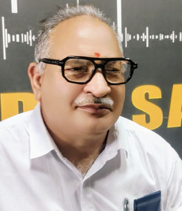
(Author, a senior journalist, is RE to TEW Palamu edition.)









[[comment.comment_text]]