Developmental pollution in Himalayan region causing ecological ruins

 3 years ago
Economists and sociologists have different opinions about " what development is". There is much debate about whether only financial progress can be counted as development or not , it goes without saying that sustainable development that has been talked about for two decades has gone way of building or dam after another to block the water of rivers.
Amit pandey, Dehradun
Three Himalayan states of India are in danger by the developmental economical policy of the government, and compromise the ecological imbalances and biodiversity.
The devastation caused by the floods in Uttarakhand, Himachal Pradesh and Sikkim reveals and conceals the fact that the government is not concerned about the people but to ask for revenue by all means.
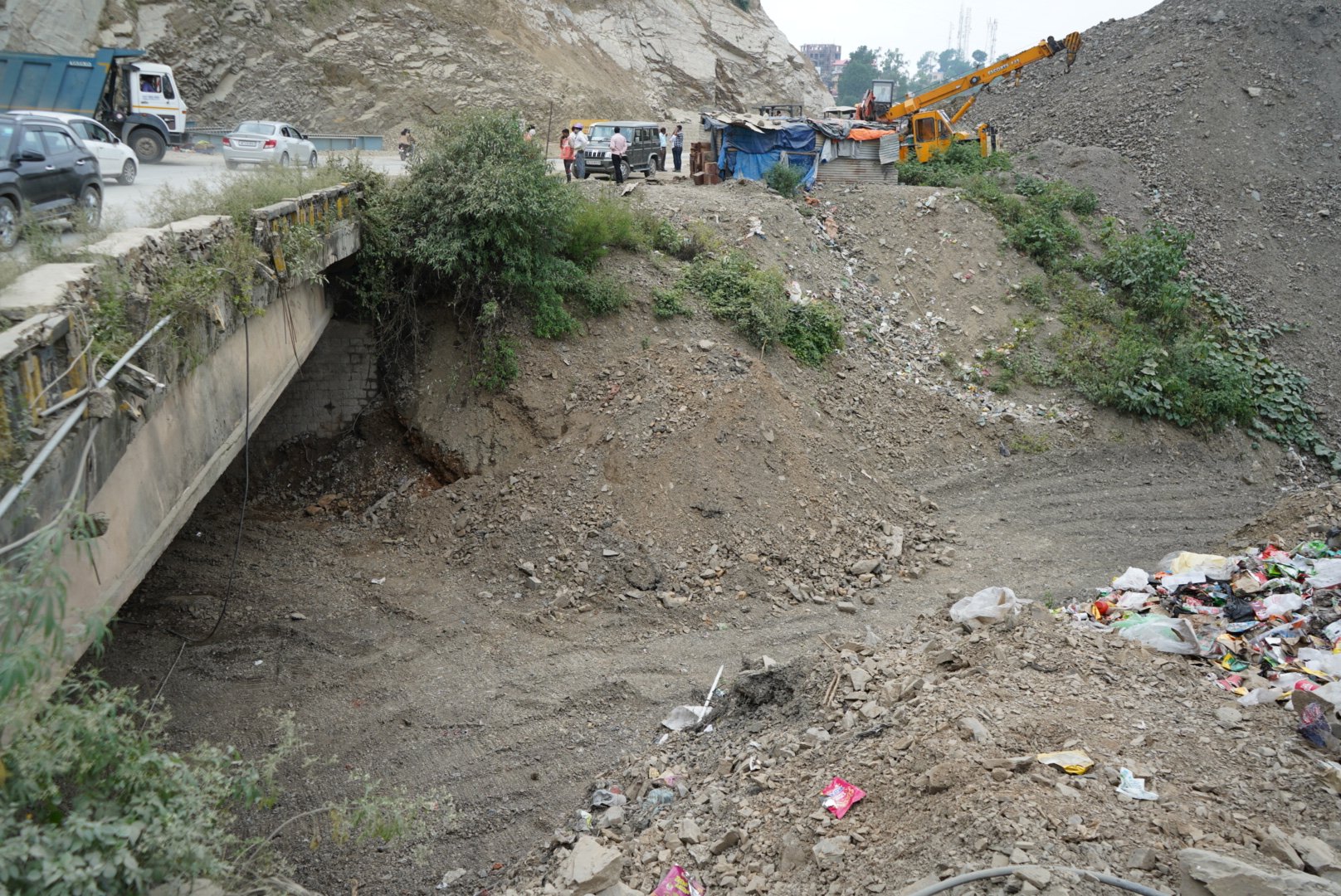
The above said states are exhausted to suffer by the man-made concretisation which stops the flow of rivers and creates a time to dismantle all by flood. Nainital , joshimath, Karnaprayag, Mussoorie are burning examples in Uttarakhand.Jaya Mitra, River expert and Author raises the question in her recent article about the states monitoring of the way, silt is being added to the river by building dams ,and has raised that demand for a separate development to the river. But let alone the separate department related to the river, is there any attention together the river and in ornament are being crusty .Those who live on the bank of rivers for generations who are most at risk of damage in the event of a flood, do their protest or suggestions reach the ear people sitting on the throne, if all those words had even and your importance would one damn after another have been built on the river in the name of hydropower.
The Lepcha tribes live in Darjeeling district in West Bengal and Yuigang in Sikkim . A decades before they stall a dharna in Wallington Square at kolkata for the linguistic recognition as they are not culturally equivalent to the Bengalis. Somehow it is being controlled by the government of West Bengal to assure the demands. These tribes are agitated against the dam on Tista River for 900 days of relay hunger strike but it doesn't make any difference as it is related to the interest of corporates and developmental economy.
Indian politicians are very accountable to their voters and AAM Janta, after a big chaos of incidents they extend their support to the public by announcing relief packages for the survival of victims, sometimes it switches electoral games , but politicians stand with their public .Now the question is if they are so concerned about their moral values and serving the people why it is not monitoring at the level from where it has proposed? Who they are, have not the after-effects of atmospheric shift and ecological disruption?
There is no denying that hydropower is a lucrative business for the state. There is no denying the necessity of financial power in the development of a state. That is why the government laid so much emphasis on the rivers of the country. But the question arises, those who are supposed to be engaged in the development of the financial power of the state, are they not the victims of development ? The money that will be spent on repairing the damage after a natural disaster is also the people's money. On the one hand, the house, the loss of life. They have to spend their own tax money to cover the damage.
The total cost of rehabilitation after a catastrophe is more than an allotment of a few States, after this, it lived not completely executed like before, but endeavours commenced by a government .Extensively states had resentments about the issuance of funds and sometimes it is a schedule in husting. While the world's specialists are cautioning about ecologically disrupt of the Himalayas the chief minister of Uttarakhand appreciates a greater number of tourists and anticipates vastly by the P.M's spiritual voyage to Manaskhand, Pithoragarh, Uttarakhand.
Not only Sikkim, such calamities have repeatedly occurred in hilly states like Uttarakhand, and Himachal Pradesh in the past few years. After the disaster, there have been many talks at the government level, there has been talk about correcting mistakes. However, it was not reflected in reality. This time also the wounds of Sikkim will be healed. After that, the chariot of development will run again. It will run till the day, until the day before the deluge of nature is dancing all over the land.











[[comment.comment_text]]