Are We Giving Our Children the Attention They Truly Deserve?

 an hour ago
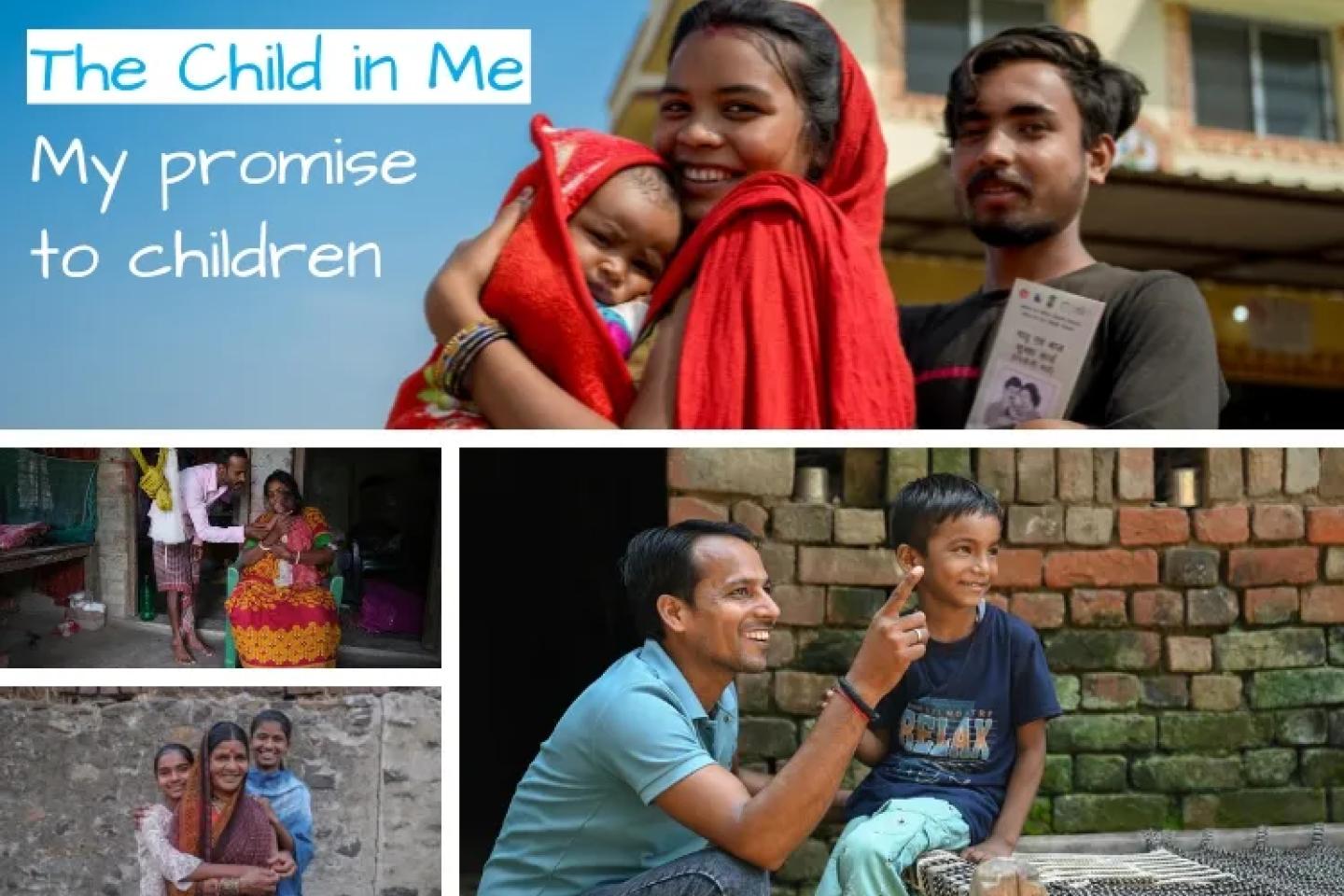
Children’s Day is a reminder that education, emotional support, good health, and a safe environment are equally important for building a better future generation. It is celebrated across India on 14 November every year to mark the birth anniversary of Pandit Jawaharlal Nehru, the country's first Prime Minister, who was fondly known as Chacha Nehru because of his affection for children.
Before 1964, India observed Children's Day on 20 November, in line with the United Nations' Universal Children's Day. After the death of Pandit Jawaharlal Nehru in 1964, his birthday was chosen to be celebrated as Children's Day in India.
The day reminds us of our responsibility towards children and the need to protect their rights, provide quality education, ensure proper healthcare and safety, and eliminate issues such as child labour.
When we talk about children's education, we see them as the future doctors, engineers, teachers, scholars, scientists and responsible citizens of our country. We invest our time, energy, money and resources in their education because we hope that the coming generation will take our nation towards a brighter future.
But an important question arises here: Are we giving our children the attention and emotional support they truly need? In the present generation, we often hear parents and teachers talking about children's behaviour. Many children become impatient over small things, lose their temper quickly and find it difficult to manage their emotions. Every child is different, and there can be several reasons behind such behaviour. However, we need to pay more attention to their emotional development from an early age.
Today, when a small child cries or becomes restless, one of the easiest ways to calm them down is to put a smartphone in their hands. Gradually, these devices become their companions. Children start spending more time with screens than talking to their parents, grandparents or other family members.
I still remember the time when I was around 11 or 12 years old. I used to spend time talking with my maternal grandmother, grandfather, uncles, and aunts. There were hardly any smartphones, and even landline phones were not common in every household. We used to watch television together with other family members.
During our leisure hours, we would engage in outdoor activities like playing cricket, hide-and-seek, and others. We would visit our families and exchange stories. This helped us stay physically fit and allowed us to interact, form relationships, and learn about social norms.
However, the situation has drastically changed today. Children spend most of their leisure time watching videos, playing video games and browsing social media sites. Outdoor exercise and conversations with family members are increasingly becoming a distant past. The technology may have provided information and entertainment very conveniently, but too much screen usage can interfere with the daily activities, sleep, exercise and socializing of children.
According to UNICEF India, quoting the guidelines from the Indian Academy of Pediatrics, children up to two years of age should not be exposed to screens, while children between two and five years of age should be limited to only one hour of screen time a day. For older children, there should be a balance between screen use, physical activity, sleep, education, and family time.
The dietary pattern of children has also changed where children love to eat packaged foods and beverages as compared to healthy homemade food items.
As per the National Family Health Survey conducted by the Government of India (NFHS-5), there was an increase in the prevalence of children under five years old being overweight from 2.1% in 2015-16 to 3.4% in 2019-21. This is an indicator that there needs to be more focus on the nutrition and lifestyle aspects of the child.
The eyes of children are another aspect that needs attention. Excessive exposure to screens and doing near work for a long time can cause eye strain, and vision screening of children is required to detect any refractive error at an early stage.
The issue of cancer among children needs to be considered as it is still one of the important health problems. The Indian Council of Medical Research collects special data regarding cancers that affect children as part of its National Cancer Registry Programme. There can be several reasons behind the occurrence of cancer in children and it cannot be blamed on screen time or lifestyles.
While visiting hospitals and other medical establishments, regardless of whether they are run by the government or privately, one sees many queues of people waiting for consultations and treatments. This should remind us about the importance of preventive medicine, timely checkups, healthy nutrition, and lifestyle from childhood.
Another serious concern is child labour. According to Census 2011 data, approximately 10.1 million children aged 5–14 years were engaged in work in India, representing around 3.9% of the child population in this age group. Although this is an older figure, it highlights the scale of the problem at that time. Every child deserves an opportunity to attend school, learn new skills and enjoy a safe childhood without being forced into labour.
We therefore need to focus more on the overall development of children. Parents should spend quality time with them, listen to their concerns, understand their emotions and encourage open conversations. Schools should provide an environment where children feel safe, respected and comfortable discussing their problems. Outdoor games, reading, creative activities, nutritious food and healthy sleeping habits should become part of their daily routine.
Children's Day should encourage us to look beyond celebrations and programmes. It should make us think about the responsibilities we have towards the younger generation.
After all, these children will represent our society and nation in the coming years. If they are educated, emotionally strong, physically active, healthy and responsible, they will contribute more effectively to national development.
A future that is better for all of us, and the dream of Viksit Bharat, lies in the hands of what we do today for our children. It is time to give them the attention, guidance, safety and strength that they need, because childhood is the building block of a strong country.
(The Author is a writer, social educator, and researcher from Baramulla, and holds a master’s in Gender Studies and a BED.





[[comment.comment_text]]